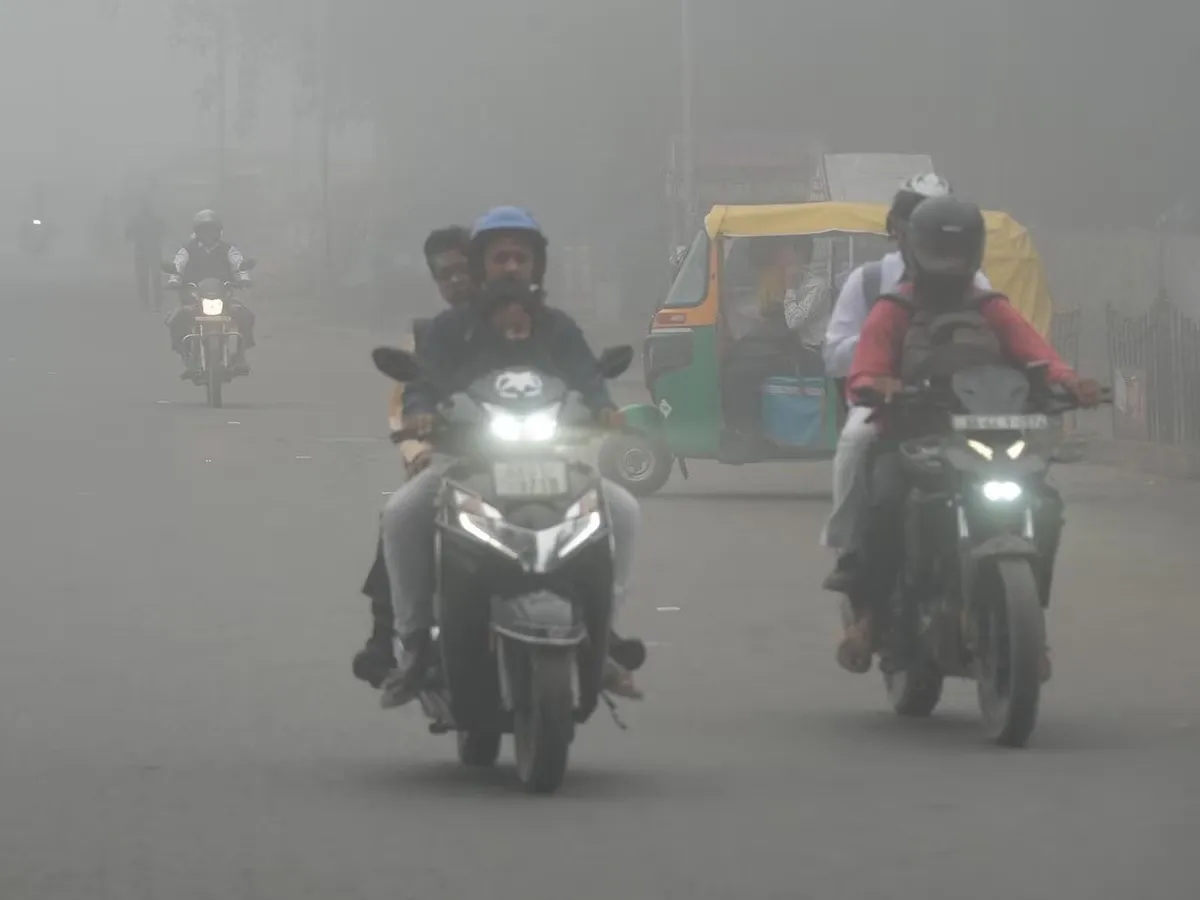
The celebrations of Diwali may have brought joy and excitement, but the morning after the festival presented a worrying picture of air pollution. Following a night of fireworks and firecrackers, a thick layer of smoke and haze covered the atmosphere, making breathing increasingly uncomfortable. The Air Quality Index (AQI) climbed to 449, indicating an extremely poor air quality situation. The sharp deterioration in air quality has once again raised concerns about the impact of festive celebrations on public health and the environment.
Firecracker Smoke Adds to Pollution Levels
The widespread use of firecrackers during Diwali celebrations contributed to the accumulation of smoke and harmful pollutants in the atmosphere. Fine particulate matter, particularly PM2.5 and PM10, can remain suspended in the air and affect respiratory health. With the AQI reaching 449, the pollution situation became particularly concerning. Reduced visibility and a layer of smog in the morning highlighted the impact of post-Diwali pollution, making outdoor activities uncomfortable for many residents.
Respiratory Patients Face Greater Health Risks
Poor air quality poses a significant threat to people already suffering from respiratory illnesses. Individuals with asthma, allergies and other lung-related conditions may experience worsening symptoms when exposed to polluted air. Children and elderly people are also particularly vulnerable. Prolonged exposure to polluted air can cause coughing, throat irritation, eye irritation, breathing difficulties and other respiratory problems. Health experts generally advise vulnerable groups to minimise their exposure whenever pollution levels become extremely high.
Morning Walks and Outdoor Exercise May Become Risky
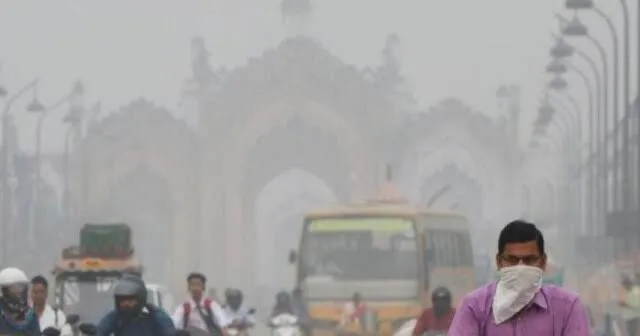
When pollution levels rise sharply, outdoor physical activities can increase exposure to harmful particles. Morning walkers and people who exercise outdoors should therefore take extra precautions. Residents are advised to avoid unnecessary outdoor movement during periods of severe pollution. Those who must step outside should consider wearing a well-fitted, high-quality mask. Keeping track of AQI levels and limiting exposure to polluted air can help reduce potential health risks.
Need for Stronger Measures to Control Pollution
The post-Diwali pollution situation has once again highlighted the need for effective measures to improve air quality. Reducing firecracker emissions, controlling construction dust and limiting vehicular pollution are important steps towards addressing the problem. Authorities also need to strengthen pollution-control measures and ensure their effective implementation. An AQI reading of 449 serves as a serious warning about the environmental consequences of rising pollution. The festival of lights should not leave behind an atmosphere filled with toxic smoke. Greater public awareness, responsible celebrations and collective efforts are essential to ensure cleaner air and a healthier environment for everyone.
Air turns toxic after Diwali; AQI of 449 sparks concern; morning shrouded in a blanket of smoke.
TheFearless
9 Nov 2026 · 8:50 AM IST
Related Stories