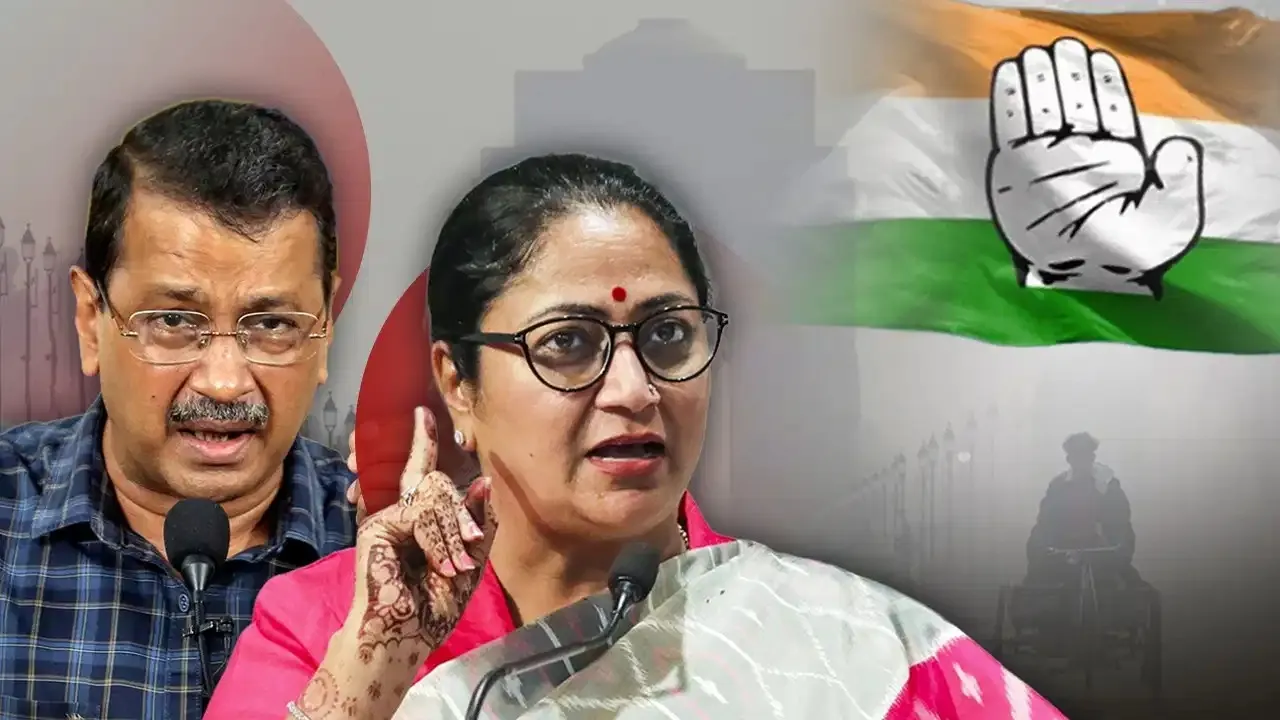
Air pollution has remained a major concern in Delhi, especially during the winter months when pollution levels often rise sharply. Every year, the Air Quality Index (AQI) becomes a subject of public discussion as political parties blame each other for the worsening air. The BJP and Aam Aadmi Party have repeatedly clashed over the issue. But when did India introduce the AQI system, and how did it become part of everyday life?
AQI Launched in 2014
India officially introduced its National Air Quality Index on October 17, 2014. Former Environment, Forest and Climate Change Minister Prakash Javadekar launched the system in Delhi. The initiative was part of the measures taken under Prime Minister Narendra Modi’s Swachh Bharat Mission. Its main purpose was to help people understand the quality of the air around them through a simple and standardised system.
One Number, One Colour
The AQI system was designed around the principle of “One Number, One Colour, One Description”. This made air quality information easier for ordinary people to understand. Instead of interpreting several pollution measurements separately, people could check a single index to know whether the air was safe or polluted. At the time of its launch, the government also said that clean air would be treated as a public movement, alongside efforts to improve cleanliness across the country.
Pollution Before the AQI System
Before the AQI was introduced, Delhi did not have the same kind of daily, real-time air quality information that people see today. Between 1998 and December 2013, the Congress ruled Delhi, with Sheila Dikshit serving as Chief Minister. During much of this period, monitoring stations were limited and regular digital tracking of pollution was not widely available. However, older PM2.5 and PM10 measurements and later studies indicate that rapid urbanisation, rising vehicle numbers and industrial emissions had already made Delhi’s air heavily polluted.
BJP and AAP’s Political Fight
During the AAP government’s tenure, air pollution became a major political issue in Delhi. The BJP repeatedly targeted then Chief Minister Arvind Kejriwal, accusing his government of failing to control pollution. BJP leaders also held protests during the winter months. Delhi BJP leaders Virendra Sachdeva and MP Manoj Tiwari distributed masks to people at Connaught Place. Tiwari accused the Kejriwal government of leaving residents exposed to polluted air.
AQI Still a Challenge After Power Change
The political situation changed in February 2025 when the BJP formed the government in Delhi. However, pollution continued to remain a major challenge. The AAP and Congress have since targeted the BJP government over the issue. India's AQI measures air quality in six categories: 0–50 is Good, 51–100 Satisfactory, 101–200 Moderately Polluted, 201–300 Poor, 301–400 Very Poor and 401–500 Severe. These categories help people understand how polluted the air is and how serious the situation has become.