In Hindu traditions, worship is not limited to lighting a lamp or chanting prayers. The timing of worship is also considered important. Many temples and households follow the practice of offering food to deities around midday and then allowing them to rest. This is why some temples close their doors for a few hours after the afternoon offering. The period between 12 pm and 3 or 4 pm is commonly treated as a time of rest in several religious traditions.
Brahma Muhurta
Brahma Muhurta, the period before sunrise, is considered especially suitable for prayer, meditation, yoga and spiritual practice. According to religious beliefs, the atmosphere is peaceful during this time, helping people concentrate. Devotees often wake up early, take a bath and begin their day with prayers, mantra chanting and meditation.
Worship at Sunrise
Sunrise is another auspicious time for daily worship. Many devotees offer water to the Sun God, chant the Gayatri Mantra and remember their chosen deity. This morning ritual is traditionally associated with beginning the day with positive thoughts and devotion. It is also a common time for families to perform their regular household prayers.
Evening Prayer and Aarti
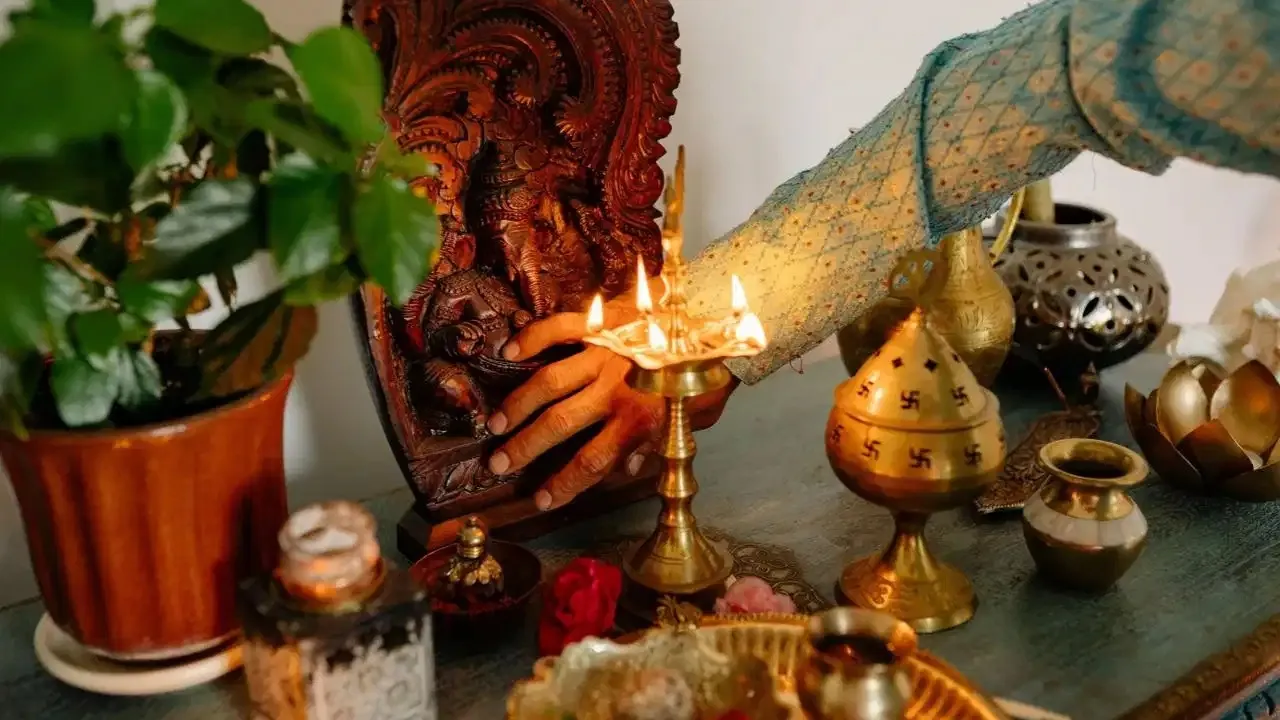
Sunset, also known as Sandhya Kaal, is considered a favourable time for worship. Lighting a lamp, performing aarti and chanting prayers are common evening practices in Hindu households. Many families also light a lamp near the Tulsi plant. According to religious beliefs, evening prayers help create a peaceful and positive atmosphere at home.
Importance of Pradosh Kaal
Pradosh Kaal is the period around sunset and holds special significance for devotees of Lord Shiva. On Pradosh Vrat, devotees worship Shiva by offering water to the Shivling, lighting lamps and chanting mantras. Religious traditions consider this period particularly favourable for seeking Lord Shiva’s blessings.
Is Afternoon Worship Inauspicious?
Afternoon worship is not considered inauspicious in every situation. Different deities, festivals and religious rituals have specific timings. For example, Madhyahna Kaal, or midday, is important for worship during Ram Navami celebrations. Some other festivals and rituals also prescribe afternoon prayers. Therefore, the belief about deities resting after the afternoon offering is a traditional practice, not a strict rule against all afternoon worship.