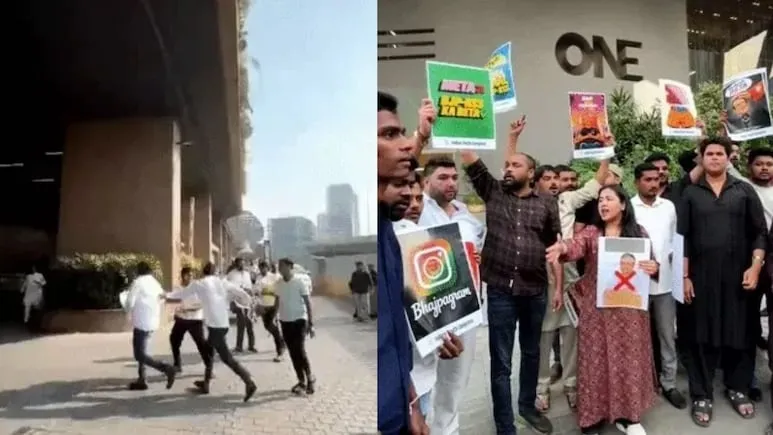
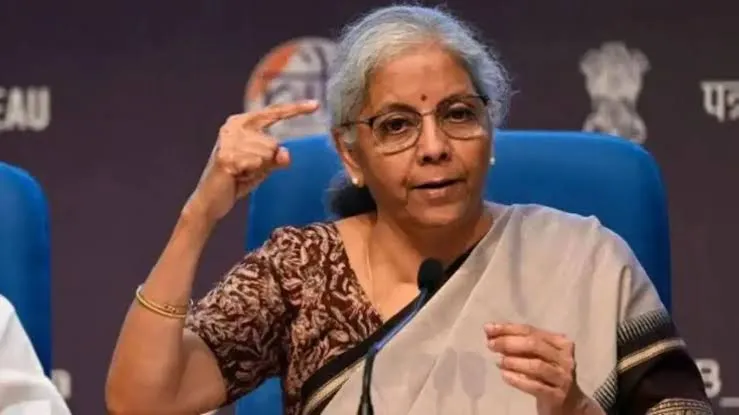
Budget 2027 Gen Z : The central government has begun preparations for the Union Budget 2027-28, and this time young people are expected to receive special attention in the budget-making process. Finance Minister Nirmala Sitharaman started the pre-budget consultation meetings on Monday. Notably, representatives of Gen Z will also be included in discussions that traditionally involve economists, industrialists and financial experts. A special session will be organised for young people, allowing them to present their needs and suggestions to government officials and experts. Their views will be sought on issues such as employment, education, startups and future economic policies.
Economists Urge Government To Reduce Debt
On the first day of the pre-budget meetings, leading economists presented their views to the government. The most important issues discussed were government debt and keeping the fiscal deficit under control. According to a person who attended the meeting, experts advised the government not to abandon its strategy of reducing debt, even as expenditure increases in the coming years. Economists believe the government's scope for significant additional spending is limited. Maintaining fiscal discipline will therefore be important. The government has set a target of bringing the country's debt down to around 50% of GDP, with a margin of one percentage point either way, by 2030-31.
Stock Market Investors May Get Tax Relief
Discussions held ahead of the budget also included the possibility of tax relief for stock market investors. According to another participant in the meeting, the possibility of reducing Long-Term Capital Gains (LTCG) tax was discussed. Currently, profits earned from selling shares held for more than one year are subject to LTCG tax at 12.5%. Meanwhile, selling shares within one year attracts Short-Term Capital Gains (STCG) tax at a rate of 20%. In addition, Securities Transaction Tax (STT) is also levied on share transactions. If the government provides relief on LTCG tax, people investing in the stock market could benefit. However, this is only a suggestion raised during the meeting and does not represent a final budget decision.
Eighth Pay Commission May Increase Spending
Another major challenge for the government in the upcoming budget will be the financial pressure associated with the recommendations of the Eighth Pay Commission. If its recommendations are implemented, expenditure on government employees and pensioners could increase. Additionally, the possibility of a rise in crude oil prices due to ongoing tensions in West Asia is another concern for the government. More expensive oil could increase the import bill and put pressure on inflation. During the meeting, experts advised the government to prepare its financial plans by treating the current rise in oil prices as temporary.
Pre-Budget Meetings To Continue Until November 26
The Finance Ministry's pre-budget consultation process will continue from November 16 to November 26. The first meeting was attended by Anuradha Thakur, Secretary of the Department of Economic Affairs, Chief Economic Adviser V. Anantha Nageswaran and several senior officials. Dhiraj Nim of ANZ Research, Prachi Mishra of Ashoka University, Deepti Deshpande of CRISIL and former SEBI whole-time member Anant Narayan also presented their suggestions. A separate meeting with representatives from the agriculture sector was held on the same day. In the coming days, discussions will also take place with representatives from banking, insurance, the stock market, manufacturing and the financial sector. Besides young people, representatives from education, healthcare, energy, employment, infrastructure, startups and MSMEs will also get an opportunity to share their views ahead of the budget.
Budget 2027-28 To Include Gen Z Suggestions: Nirmala Sitharaman To Seek Youth Views, Tax Relief Also Discussed
TheFearless
17 Nov 2026 · 1:47 PM IST
Related Stories