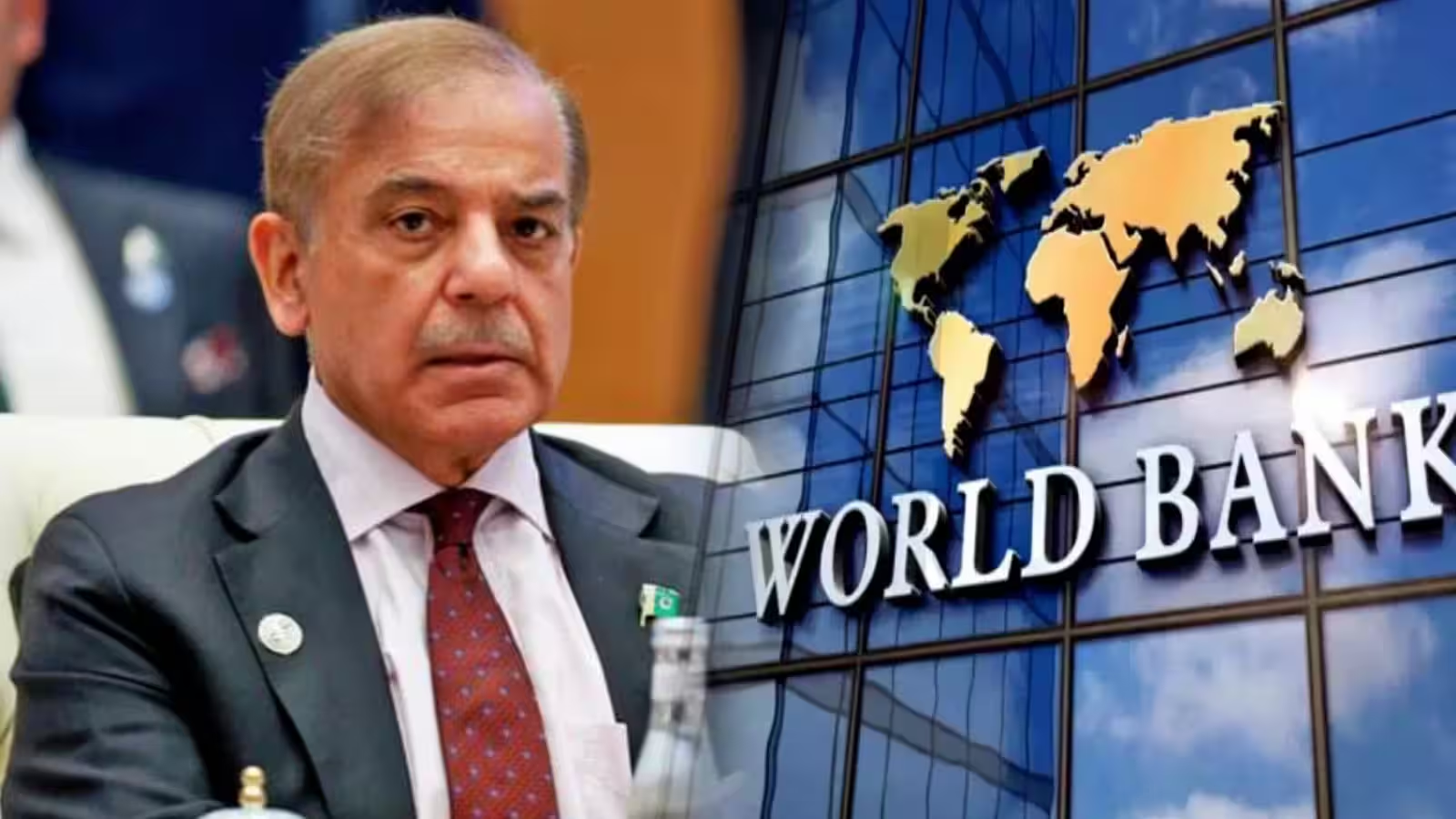
Pakistan Foreign Debt : Pakistan's economic condition and its growing foreign debt burden remain major concerns. According to the World Bank's International Debt Report 2026, Pakistan's total external debt increased to $135.107 billion by the end of 2025. In 2015, this figure stood at $68.673 billion. This means Pakistan's foreign debt nearly doubled over a decade. However, the most interesting fact is that China's position as Pakistan's largest creditor surpasses that of the United States and the World Bank. The World Bank and the Asian Development Bank rank second and third, respectively.
China Holds The Largest Outstanding Debt
According to a report by the newspaper Dawn, Pakistan owes China $22.4 billion, making it the country's largest creditor. The report also states that China extended the repayment period for a $2 billion loan provided to Pakistan in 2025. In Pakistani currency, China's outstanding loan amounts to approximately Rs 6,196 billion. Pakistan is required to repay this amount, making its financial dependence on China particularly significant.
Every Pakistani Carries A Debt Burden Of Rs 23,000
If China's $22.4 billion loan is divided equally among Pakistan's population of approximately 260.6 million, the average debt per citizen would be around 23,772 Pakistani rupees. This calculation includes newborn children as well. However, it does not mean that every citizen is personally required to repay this amount. It is simply an average figure calculated by dividing the total debt by the population. The actual repayment responsibility lies with the government and the institutions that have borrowed the money.
World Bank And ADB Are Also Major Creditors
Pakistan owes approximately $19.2 billion to the World Bank. The Asian Development Bank (ADB) comes next, with Pakistan required to repay $16.83 billion. Based on population, the average share of World Bank debt works out to approximately Rs 20,376 per person, while the ADB debt amounts to around Rs 17,861 per person. These figures show that Pakistan's foreign debt is not limited to a single country. Several international institutions and countries are among its major creditors.
Pakistan Also Receives $2.3 Billion From IMF
Pakistan has also received fresh financial assistance from the International Monetary Fund (IMF). According to the report, the IMF provided a new allocation of $2.3 billion under the Extended Fund Facility and the Resilience and Sustainability Facility. The assistance is intended to support the country's economic stability. Meanwhile, Pakistan's total external debt includes $107.076 billion in public and publicly guaranteed debt, $17.58 billion in private non-guaranteed debt and $10.45 billion in short-term debt.
Global External Debt Continues To Increase
According to the World Bank report, external debt among low- and middle-income countries increased sharply in 2025, recording the biggest rise in four years. Their combined external debt grew by 5.5 per cent to a record $9.4 trillion. Meanwhile, the ratio of external debt to gross national income in the Middle East, North Africa, Afghanistan and Pakistan region increased from 26.7 per cent to 29.4 per cent. This presents a major challenge for Pakistan, which must manage its economy while continuing to repay existing loans and interest.
China, Not The US Or World Bank, Is Pakistan’s Biggest Creditor: How Much Debt Falls On Each Citizen?
TheFearless
7 Nov 2026 · 2:59 PM IST
Related Stories