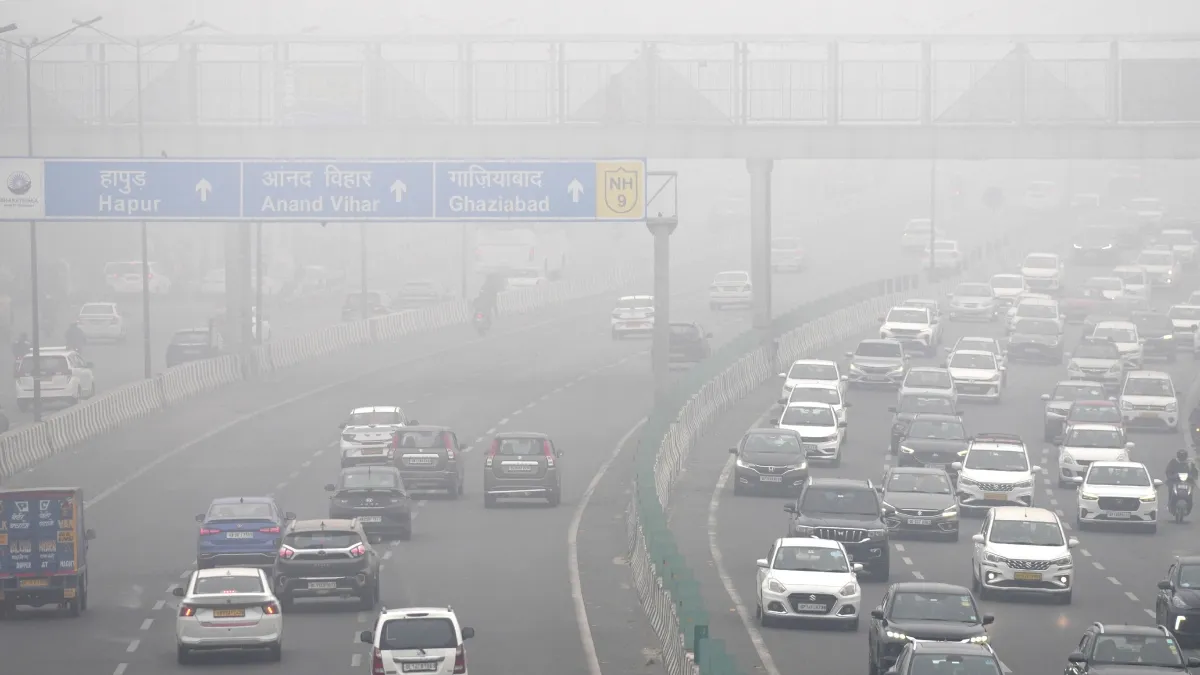
Delhi Air Pollution 2026 : Air pollution has made life increasingly difficult for residents of the national capital. On Friday, Delhi became the world's most polluted major city. According to Swiss organisation IQAir, Delhi recorded an Air Quality Index (AQI) of 334. Meanwhile, India's Central Pollution Control Board (CPCB) reported an AQI of 403, placing the city in the severe category. A thick layer of smog covered the capital, reducing visibility in several areas and forcing motorists to drive slowly.
Delhi Surpasses Lahore In Pollution Rankings
Delhi moved ahead of Pakistan's Lahore in IQAir's list. Both cities have been struggling with severe air pollution for a long time. During winter, cold air traps pollutants close to the ground. Vehicle emissions, industrial smoke, construction dust and stubble burning in surrounding areas further worsen the situation. These factors have once again contributed to deteriorating air quality in Delhi.
Why Do AQI Figures Differ?
Two different AQI figures have emerged for Delhi's pollution levels. IQAir recorded an AQI of 334, while the Central Pollution Control Board reported 403. The difference is due to variations in their calculation methods and air quality measurement systems. AQI measures the concentration of pollutants and gases present in the air. A reading above 300 is considered extremely poor for health. Under the CPCB classification, an AQI between 401 and 500 falls in the severe category.
Air Pollution Poses Serious Health Risks
Fine particles such as PM2.5 and PM10 present in polluted air enter the body through breathing. These particles can damage the lungs and worsen breathing difficulties. They can also cause eye irritation and increase the risk of heart-related problems. Children, elderly people and those with existing health conditions are particularly vulnerable. Prolonged exposure to polluted air can also increase the risk of serious illnesses.
Dense Smog Disrupts Everyday Life
Thick smog on Delhi's roads created difficulties for motorists. In several places, even streetlights appeared hidden behind the haze. The Swaminarayan Temple at Akshardham was also barely visible due to pollution. Poor air quality affects children's education, people's daily work and outdoor activities. Reduced visibility can also disrupt traffic movement. Such conditions make it important for residents to take necessary health precautions.
Long-Term Measures Needed To Control Pollution
The government periodically implements the Graded Response Action Plan (GRAP) to control pollution in Delhi. Measures include restrictions on construction activities, curbs on older vehicles and other emergency steps. However, the return of severe pollution every winter shows that temporary restrictions alone cannot solve the problem. Reducing vehicle emissions, improving public transport, providing alternatives to stubble burning and controlling dust at construction sites are essential. Delhi and neighbouring states will need to work together to achieve lasting improvements.
Delhi Air Pollution Breaks Records, AQI Reaches 403; Capital Becomes World’s Most Polluted Major City
TheFearless
13 Nov 2026 · 4:49 PM IST
Related Stories