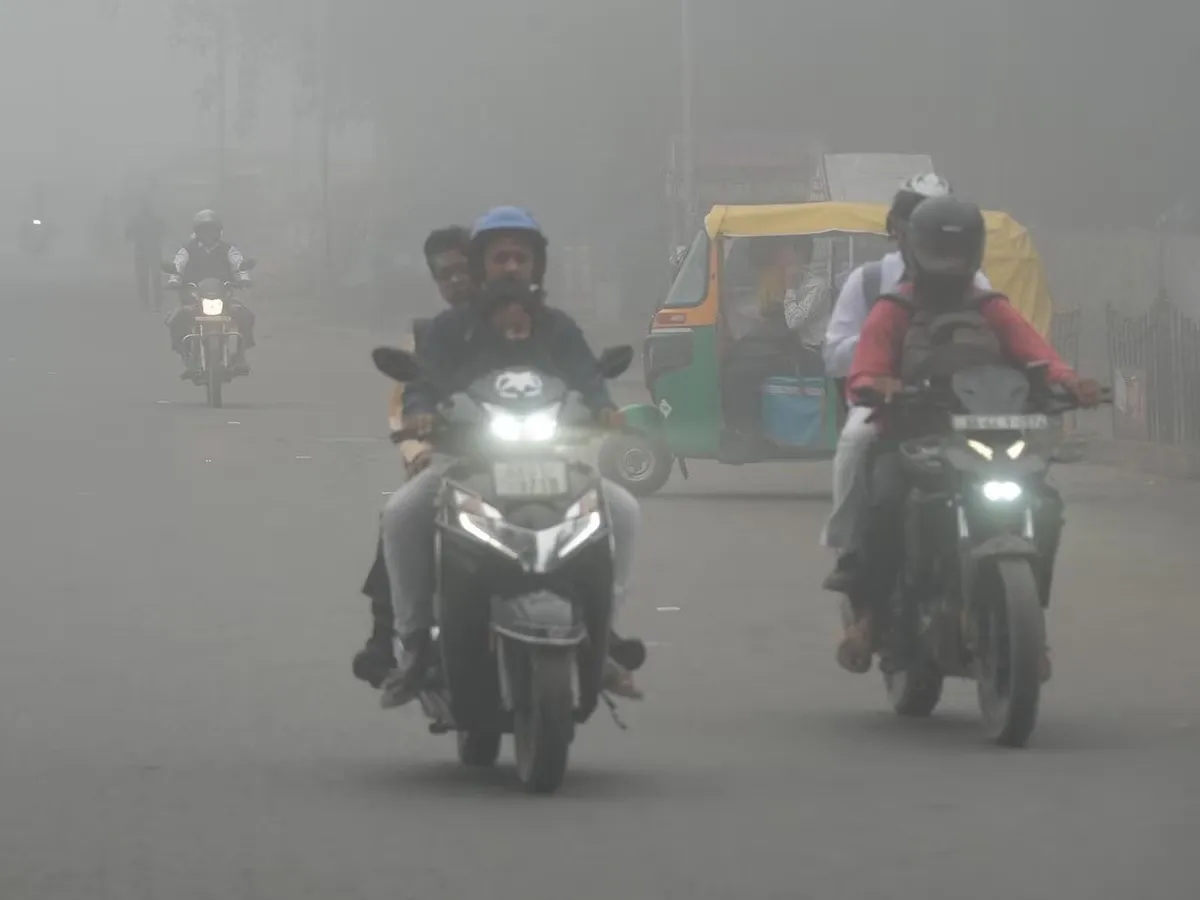
Delhi-NCR Air Pollution: Air pollution has once again reached alarming levels in Delhi-NCR ahead of Diwali, raising serious concerns among residents. The Air Quality Index (AQI) has crossed the 400 mark in several parts of the national capital, indicating extremely poor to severe air quality. Thick layers of polluted air have affected visibility and made breathing increasingly uncomfortable, particularly during the morning and evening hours. Residents have reported problems such as breathing difficulties, eye irritation and throat discomfort. Despite the implementation of strict measures under the Graded Response Action Plan (GRAP), pollution levels continue to remain a major concern across the region.
Rohini and IIT Delhi Among the Most Polluted Areas
According to data from the Central Pollution Control Board (CPCB), Delhi's average 24-hour AQI stood at 382 on November 6, placing it in the very poor category. However, several monitoring stations recorded significantly higher pollution levels. IIT Delhi and Rohini reported an AQI of 474, while Punjabi Bagh recorded 465, RK Puram 443, ITO 422 and the India Gate area registered 403. These readings highlight the deteriorating air quality in different parts of the capital, with several locations experiencing pollution levels in the severe category.
GRAP-3 Implemented, Restrictions on Construction and Vehicles
In response to worsening air quality, the Commission for Air Quality Management (CAQM) implemented Stage III of the Graded Response Action Plan across Delhi-NCR with immediate effect on November 6. Under these restrictions, dust-generating construction and demolition activities have been prohibited. Restrictions will also apply to certain categories of older, highly polluting vehicles. Authorities will intensify action against stone crushers and industrial units contributing to air pollution. Private organisations have also been advised to consider work-from-home or hybrid arrangements. Schools have been given the option of hybrid or online classes for students up to Class 5.
Air Quality May Deteriorate Further, Residents Advised to Take Precautions
The possibility of immediate relief from pollution appears limited. According to air quality forecasts, Delhi's pollution levels could enter the severe category between November 7 and November 9. The use of firecrackers during Diwali celebrations may further aggravate the situation. Environmental experts believe that emergency restrictions alone cannot provide a permanent solution to the pollution crisis. Continuous monitoring of vehicular emissions, industrial pollution, construction dust and stubble burning is essential to improve air quality. Residents have been advised to minimise outdoor activities, particularly during periods of high pollution, and take necessary precautions to protect their health.
Delhi-NCR Air Pollution: AQI Crosses 400 in Several Areas Ahead of Diwali, GRAP-3 Fails to Bring Relief
TheFearless
7 Nov 2026 · 7:38 AM IST
Related Stories