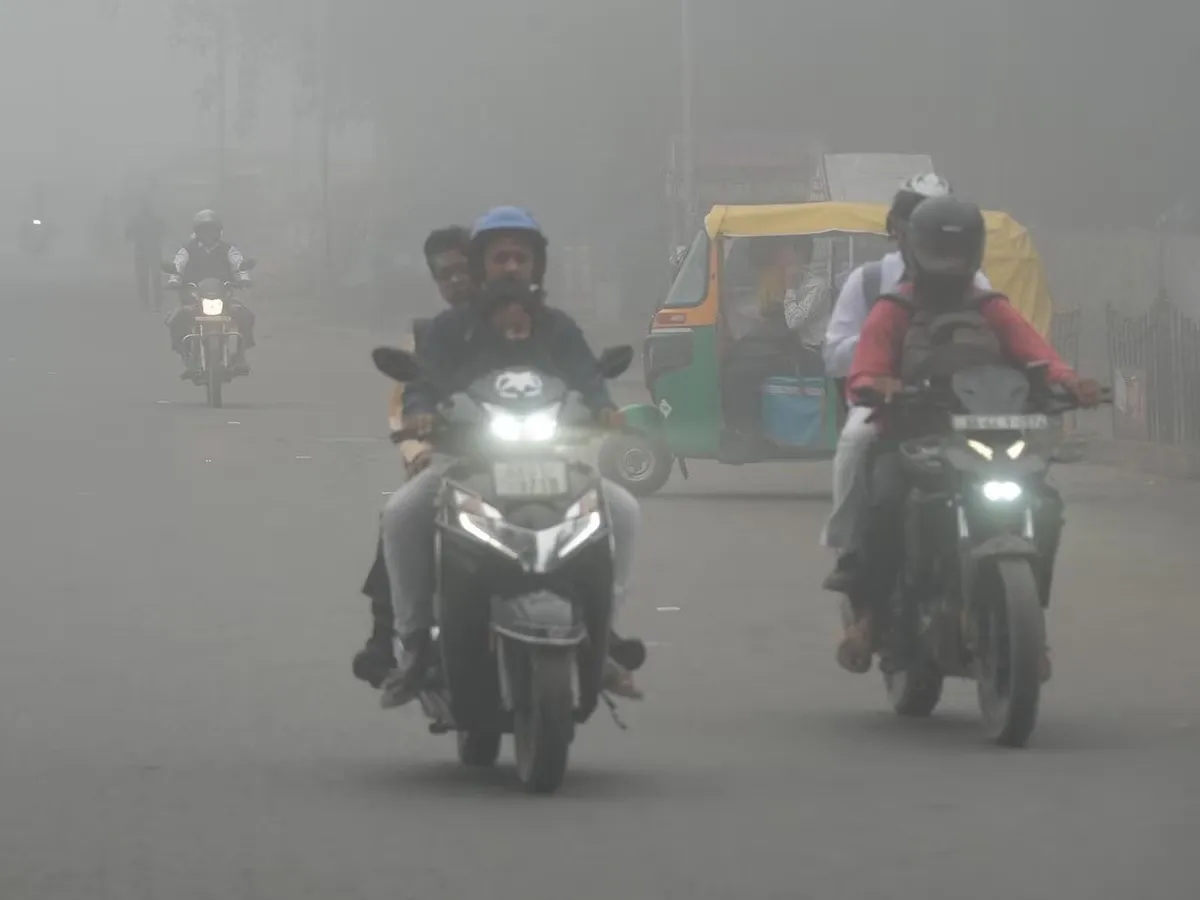
Delhi-NCR Pollution: Air pollution has once again reached alarming levels across Delhi and the National Capital Region (NCR). On Friday morning, November 13, the national capital woke up to a thick layer of smog as the Air Quality Index (AQI) crossed the 400 mark at several monitoring stations. The situation was particularly severe at IIT Delhi, where the AQI touched 487. Residents across the region are facing growing concerns over respiratory problems, eye irritation and other pollution-related health issues.
Delhi Records Severe Air Quality Across Multiple Locations
The pollution situation in Delhi has become increasingly concerning, with several monitoring stations reporting AQI levels in the severe category. According to the reported figures, IIT Delhi recorded an AQI of 487, while Chandni Chowk and Delhi University's North Campus registered 476. Pusa recorded 468, followed by Punjabi Bagh at 456. Out of 58 monitoring stations in the capital, 33 reported air quality in the severe category, highlighting the widespread nature of the pollution crisis.
Noida, Ghaziabad and Gurugram Also Face Rising Pollution
The worsening air quality is not limited to Delhi, as neighbouring NCR cities are also experiencing high pollution levels. Noida, Ghaziabad and Gurugram have all reported deteriorating air quality. According to data recorded around 5:05 am on Friday, Ghaziabad registered an AQI of 377, Noida recorded 369, while Gurugram stood at 349. These figures indicate that pollution continues to affect a large part of the National Capital Region, raising concerns among residents and health experts.
PM2.5 and PM10 Levels Raise Health Concerns
The increasing concentration of particulate matter in the air is another major concern. Fine pollutants such as PM2.5 and PM10 can enter the respiratory system and affect lung health. PM2.5 particles are particularly dangerous because of their extremely small size, allowing them to penetrate deep into the lungs. Children, senior citizens and people suffering from respiratory or cardiovascular conditions are especially vulnerable. Health experts generally advise avoiding outdoor exercise during periods of extremely poor air quality.
Safety Measures Become Essential for Residents
With pollution levels remaining dangerously high, residents are being advised to take necessary precautions. Wearing a good-quality N95 mask while stepping outdoors can help reduce exposure to harmful particles. Children and elderly people should avoid unnecessary outdoor activities, particularly during early morning and evening hours. Keeping windows closed during periods of high pollution and using air purifiers, where available, may also help improve indoor air quality. However, long-term improvement will require effective action against vehicle emissions, construction dust and other major sources of pollution. The worsening situation across Delhi-NCR once again highlights the serious air pollution challenge that emerges with the onset of winter.
Delhi-NCR Chokes as AQI Nears 500: Noida, Ghaziabad and Gurugram Also Struggle With Toxic Air
TheFearless
13 Nov 2026 · 8:08 AM IST
Related Stories