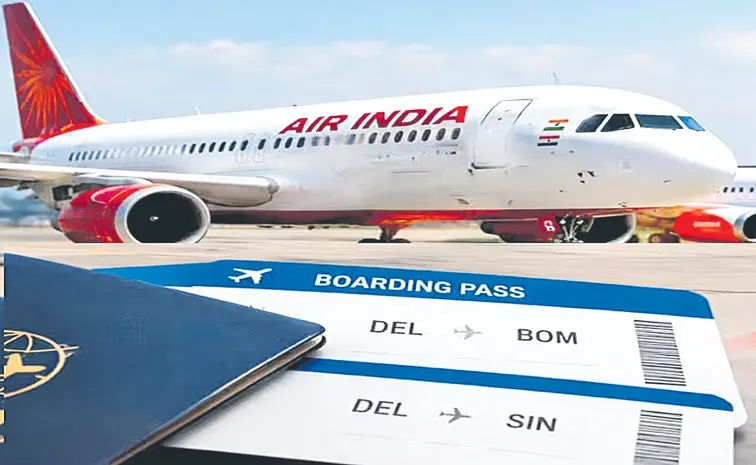
Flight Ticket Price Hike : Air travel has become more expensive ahead of Diwali, putting additional pressure on passengers' budgets during the festive season. Average one-way airfares on several major routes have increased sharply compared with last year. The Delhi-Hyderabad route has recorded a rise of up to 68%, while fares between Mumbai and Kolkata have increased by 51%. Although travellers are hoping ticket prices will fall after the festive rush ends, significant relief appears unlikely for now. Fares could ease slightly on some routes if passenger demand declines after the holidays.
Which Routes Have Seen the Biggest Fare Increases?
According to a report by The Economic Times, average one-way airfares for travel between September 1 and November 10 were compared with those during the corresponding period last year. The comparison showed a 68% increase on the Delhi-Hyderabad route, followed by a 51% rise between Mumbai and Kolkata. Fares on the Delhi-Goa route increased by 39%, while those between Mumbai and Bengaluru rose by 37%. These figures highlight the rising cost of air travel on several popular routes during the festive season, forcing passengers to spend more when booking tickets.
Higher Aviation Fuel Prices Add to the Burden
Higher aviation turbine fuel (ATF) prices are among the major factors contributing to rising airfares. According to the report, domestic aviation fuel prices increased by approximately Rs 16 per litre from October 1, reaching around Rs 137 per litre. Credit rating agency ICRA reported that domestic aviation fuel was 46.2% more expensive in October than in the same month last year. Fuel typically accounts for around 30% to 40% of an airline's operating expenses. As a result, rising fuel costs can put additional pressure on ticket prices.
Rupee Weakness and West Asia Conflict Add Pressure
The rupee's depreciation against the US dollar is another factor making air travel more expensive. Around 35% to 50% of airline expenses are dollar-denominated, including aircraft leasing, fuel-related costs and maintenance. When the rupee weakens, airlines need to spend more in domestic currency to meet these expenses. The ongoing conflict in West Asia has also affected international aviation operations. Some flights have had to take longer alternative routes, increasing operating costs and potentially affecting seat availability on certain routes. These factors may continue to influence airfare trends in the coming weeks.
Will Lower Passenger Demand Bring Relief?
According to ICRA, domestic air passenger traffic in India declined by 1.9% year-on-year during the first half of the financial year 2027. International passenger traffic carried by Indian airlines reportedly fell by 19.3% over the same period. Aviation data also indicated that scheduled domestic flight operations between October and December were 5% lower than a year earlier, while available seat capacity declined by 1.2%. If passenger demand falls after Diwali, fares could decrease on selected routes. However, a substantial decline in ticket prices is not guaranteed, as fuel costs, operating expenses and seat availability will continue to influence pricing.
What Could the Government's New Rules Change?
The Central Government is preparing new rules aimed at monitoring sudden and potentially excessive increases in airfares. Under the reported proposal, airlines would be required to submit their fare structures to the Directorate General of Civil Aviation (DGCA) one month in advance and publish them on their websites. The DGCA would monitor the declared fares. According to the report, the Supreme Court has asked the Central Government to present the final rules by November 16. However, the proposed framework is intended to improve oversight rather than directly fix ticket prices. Therefore, its implementation does not guarantee that airfares will become cheaper.
Flight Tickets May Remain Expensive After Diwali, Fares on Delhi-Hyderabad Route Rise by 68%
TheFearless
22 Oct 2026 · 3:15 PM IST
Related Stories