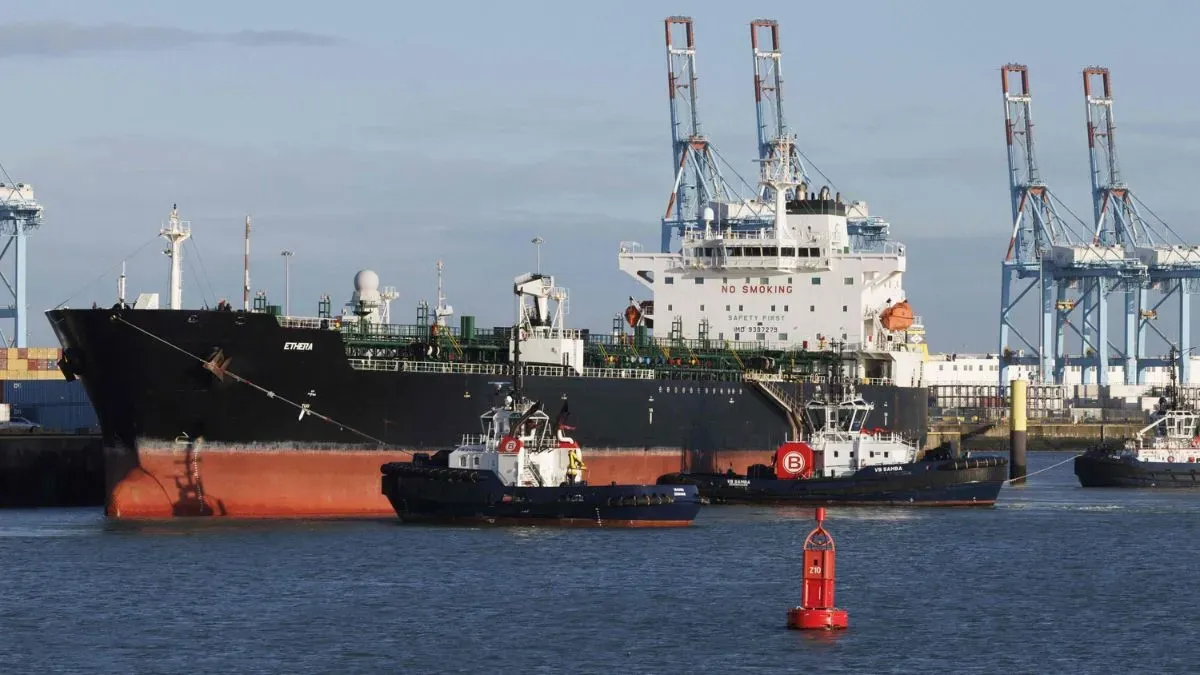
Windfall Tax Hike 2026 : The central government has taken a major decision regarding the export of petroleum products. The government, led by Prime Minister Narendra Modi, has increased the windfall tax on exports of diesel and aviation turbine fuel (ATF). The Finance Ministry issued a notification late on November 16, and the revised rates came into effect immediately. The government has increased the tax on diesel from Rs 11.5 to Rs 14 per litre. Meanwhile, the tax on ATF exports has been raised from Rs 11 to Rs 12.5 per litre. On the other hand, the windfall tax on petrol exports will remain zero for the next two weeks.
Why Has Petrol Tax Been Kept At Zero?
The government has increased taxes on diesel and ATF exports but has kept petrol outside this latest hike. The windfall tax on petrol will remain zero for the next two-week period beginning November 16. The Finance Ministry has clarified that there has been no change in the existing duty rates on petrol and diesel approved for domestic consumption. This means consumers purchasing petrol and diesel in the domestic market will not be directly affected by the decision. The revised rates will primarily apply to petroleum products meant for export.
How Will This Decision Affect Consumers?
The government's objective is to ensure adequate availability of petroleum products in the country amid ongoing tensions in West Asia. When international prices rise, oil refineries may try to earn higher profits by selling products overseas rather than in the domestic market. In such circumstances, the government makes overseas sales less attractive for companies by increasing export taxes. This could help maintain the availability of diesel and other petroleum products in the domestic market. However, the actual impact will depend on international prices and the business decisions made by companies.
What Exactly Is A Windfall Tax?
A windfall tax is an additional levy imposed by the government on companies earning unusually high profits. When international prices of crude oil and petroleum products rise sharply, refinery companies get an opportunity to earn more than usual through exports. In such situations, the government attempts to regulate these extraordinary gains by imposing an additional duty on exports. Another objective is to ensure an adequate supply of fuel in the domestic market. When international prices fall or companies no longer earn exceptional profits, the government may reduce or withdraw this tax.
India First Introduced Windfall Tax In 2022
India introduced the windfall tax on July 1, 2022. At the time, international crude oil prices had surged sharply due to the Russia-Ukraine war. The government introduced this mechanism to regulate extraordinary profits and give priority to domestic supplies. According to the figures, the tax generated around Rs 250 billion in revenue in 2022, which declined to approximately Rs 130 billion in 2023-24. It was abolished in December 2024. However, in March 2026, the government reintroduced it amid tensions in West Asia and rising oil prices. With the revised rates now applicable to diesel and ATF exports, the business strategies of oil companies will remain under close observation.
Government Raises Windfall Tax On Diesel And ATF Exports: Who Will Benefit?
TheFearless
17 Nov 2026 · 1:58 PM IST
Related Stories