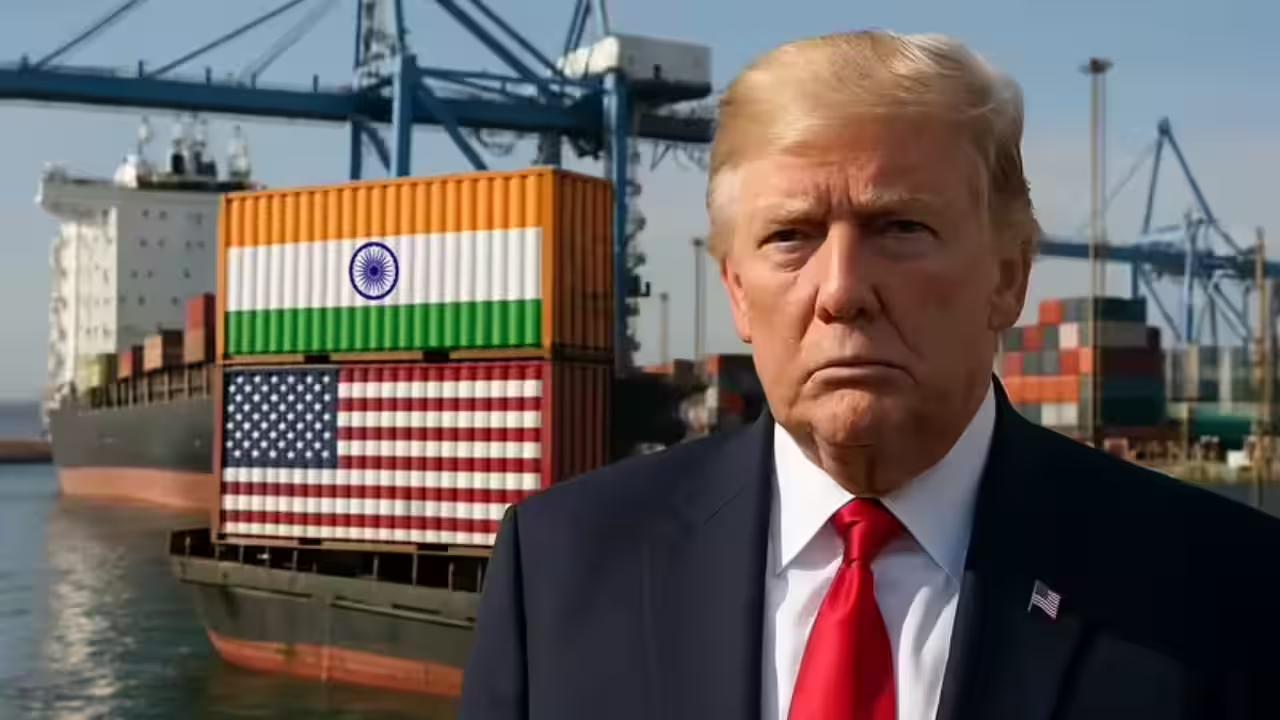
India Engineering Exports : Indian engineering exports to the United States have continued to grow despite steep tariffs imposed by Washington. Between April and August 2026, India's engineering exports to the US increased by 15.5% year-on-year to $9.97 billion. Exports in August alone recorded a 31% increase. Indian shipments had suffered a significant setback after the US raised tariffs in September and October last year. However, exporters quickly adjusted their strategies and managed to maintain their presence in the American market. The performance highlights the ability of Indian companies to navigate challenging international trade conditions.
Engineering Sector Accounts for a Major Share of Exports
The engineering industry is a significant contributor to India's exports, although it often receives less attention than other sectors. Engineering goods account for approximately 27% to 28% of the country's total exports and around 40% of its manufactured goods exports. The sector includes steel products, metal goods, machinery, vehicles, auto components, defence equipment and aircraft parts. Its diverse product range allows Indian manufacturers to serve different international markets. This diversity has helped exporters remain competitive even during periods of trade uncertainty.
Why Has US Demand Continued Despite 50% Tariffs?
American buyers have continued purchasing from Indian companies despite 50% tariffs on several steel and aluminium products. According to steel forging exporter Avinash Gupta, similar duties also apply to products from other countries, limiting the alternatives available to US buyers. Industry representatives say American companies cannot easily replace established suppliers. Switching to a new supplier requires changes to supply chains, fresh quality checks and adjustments to delivery arrangements. These processes can be time-consuming and expensive, helping Indian exporters retain existing customers despite the higher tariffs.
Exporters Accept Lower Margins to Retain Market Share
Indian exporters and American buyers have worked together to reduce the impact of tariffs. Several businesses have accepted lower profit margins and, in some cases, agreed to supply goods at reduced prices to maintain their competitiveness. According to S.C. Ralhan, president of the Federation of Indian Export Organisations, many Indian companies shared the tariff burden with their American customers. This approach helped them preserve their market presence. Reports also indicate that the tariff refund process has begun, raising hopes among exporters that US importers will return their agreed share of the refunded amount. However, the process is progressing slowly.
Indian Engineering Exports Expand to China and Europe
Indian engineering companies have also increased their business in markets outside the United States. Global engineering exports from India rose by 4.9% to $122.43 billion. During the financial year 2025-26, exports to China increased by 32.4%, while shipments to the United Kingdom rose by 18.2%. Exports to Italy grew by 16%, and those to Germany increased by 14.6%. Several other markets, including South Korea, Japan, Brazil and the Netherlands, also recorded double-digit growth. Expanding into new markets is helping Indian companies reduce their dependence on a single destination and diversify their export opportunities.
European Markets Offer Additional Opportunities
Indian exporters are now focusing on expanding their presence in Europe, the United Kingdom and Canada. According to the report, India has been allocated a special quota of 1.9 million tonnes for steel products entering the European Union. Shipments within this quota are eligible for zero tariffs, while exports exceeding the specified limit face a 50% tariff. Making effective use of the quota will therefore be important for Indian steel manufacturers. By maintaining demand in the US market while expanding into other regions, India's engineering industry is seeking to strengthen its global position and reduce the risks associated with changing trade policies.
India’s Engineering Exports Rise Despite 50% US Tariffs, Reaching $9.97 Billion in Five Months
TheFearless
22 Oct 2026 · 3:21 PM IST
Related Stories