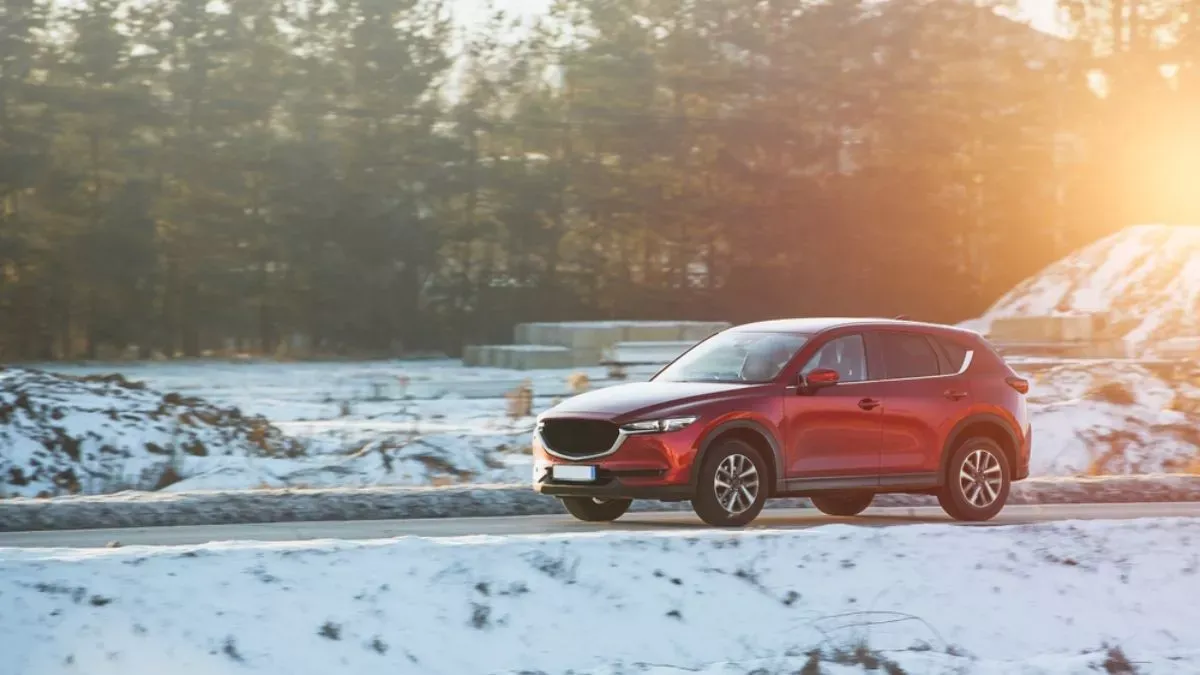
Winter Car Care Tips: As the winter season arrives, temperatures have started to drop across many parts of the country. With the increasing cold, various types of problems also begin to arise in vehicles. One of the most common complaints is a drop in the car’s mileage. Due to low temperatures, the engine oil thickens, which affects the mileage. However, apart from this, some of our small driving and maintenance-related habits also significantly worsen this problem. So, let us learn about those mistakes.
Leaving the engine running for a long time
In freezing cold weather, people start the car in the morning and leave it running in one place for 5 to 10 minutes in the name of warming up the engine. But this should not be done. Modern cars equipped with fuel-injected engines do not need to be warmed up standing still for so long. Keeping the engine running without driving the vehicle only wastes fuel. After starting your car in the morning, wait for just 30 to 40 seconds, then begin driving at a low speed. This allows the engine to warm up more naturally and quickly.
Keeping low air pressure in tires
In cold weather, due to low temperature, the air inside the tires begins to contract, reducing the tire pressure. Driving with underinflated tires increases friction between the tires and the road. As a result, the engine has to work harder to propel the vehicle, leading to a sharp decline in fuel efficiency (mileage).
Excessive use of heater and defogger
Using heaters, seat warmers, and rear defrosters is necessary to stay warm and clear fog from the windows; however, keeping them running at full speed even after the cabin has warmed up is not advisable. Doing so places an excessive load on the car's alternator and battery, which directly impacts fuel consumption.
Timely servicing
If your car’s air filter is dirty or the engine oil has become old, the engine may not receive sufficient oxygen or proper lubrication during winter. This reduces the engine's efficiency and causes the vehicle to consume more fuel than usual.