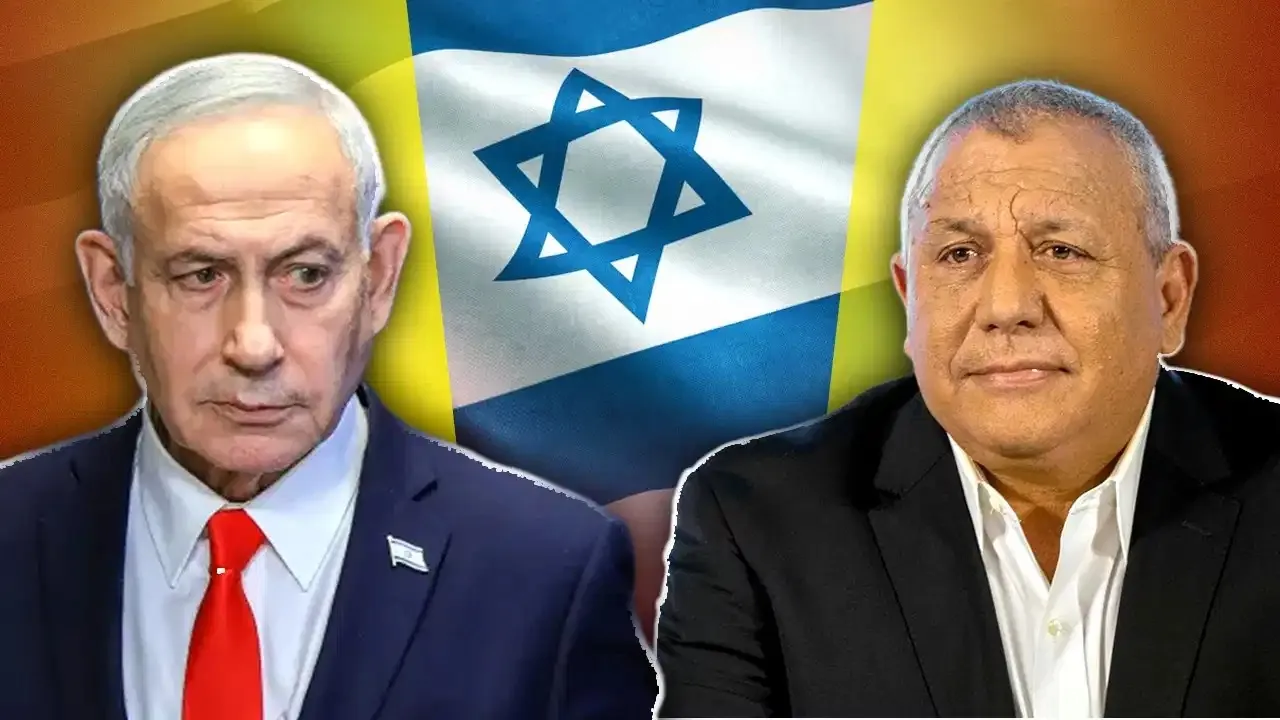
Political uncertainty in Israel has increased after the first attempt to form a national unity government between caretaker Prime Minister Benjamin Netanyahu and nominated Prime Minister Gadi Eisenkot failed to produce a breakthrough. Representatives of the two leaders met on Sunday to discuss a possible broad coalition, but the meeting ended without an agreement. The main disagreements remain over who will lead the government and which political parties will be included. Both sides are interested in exploring a unity arrangement, but neither appears ready to compromise on its key demands.
Who Will Become Prime Minister?
The biggest obstacle is the question of leadership. Gadi Eisenkot wants to lead the proposed government himself and is not willing to accept a rotation agreement with Netanyahu. Under such an arrangement, two leaders share the prime minister's office for agreed periods. However, Netanyahu's Likud Party has made its position clear. It will not join a government unless Netanyahu becomes Prime Minister or receives the position through a power-sharing agreement. This difference has become the biggest hurdle in the negotiations.
Dispute Over Coalition Partners
The disagreement is not limited to the Prime Minister's position. Netanyahu's Likud Party wants all parties from its existing political bloc to be included in the proposed unity government. This includes Itamar Ben-Gvir's Otzma Yehudit party. Eisenkot, meanwhile, is concerned about the composition of the coalition and the role of the parties joining it. The inclusion of Netanyahu's existing allies could make negotiations more complicated, as both sides have different expectations about the political direction of the new government.
Why a Unity Government Matters
The proposal for a national unity government has emerged amid a difficult political situation in Israel, where forming a government without support from other political parties is proving challenging. Neither political camp can easily move forward without building a wider coalition. Bringing Netanyahu and Eisenkot together is being considered as one possible way to overcome the deadlock. However, the first failed meeting shows that reaching a common understanding will require significant political negotiations.
Netanyahu Faces a Difficult Choice
Netanyahu must balance the demands of his party and existing allies while trying to bring Eisenkot into the proposed government. Giving up some of his demands could create dissatisfaction within his own political bloc. On the other hand, refusing to compromise could make the unity government impossible. Eisenkot also faces a difficult decision, as accepting a leadership-sharing arrangement would mean giving up his demand to lead the government.
Will Both Leaders Find Common Ground?
For now, the possibility of a national unity government remains uncertain. The first round of discussions has exposed serious differences over leadership and coalition partners. If neither side changes its position, the government formation process could face further delays. The coming days will be crucial in determining whether Netanyahu and Eisenkot can overcome their political differences or whether their attempt to form a unity government will collapse completely.