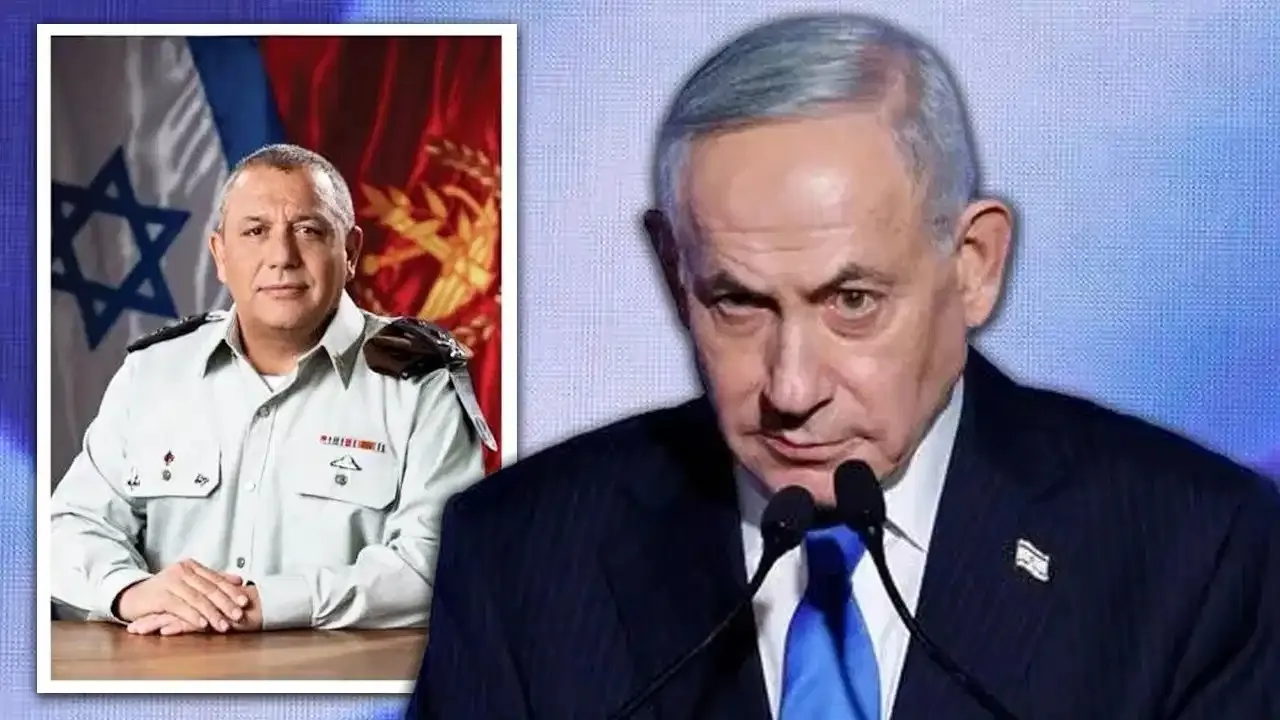
Israel is facing political uncertainty even a week after the parliamentary election results were announced. Neither Benjamin Netanyahu nor his challenger Gadi Eisenkot has secured the numbers needed to form a government. Netanyahu's alliance emerged with 53 seats, while Eisenkot's alliance won 48 seats. The Arab parties, which secured 19 seats, have emerged as potential kingmakers. However, their support has also created political complications for Eisenkot.
Election Results and the Numbers
Israel voted on October 27, and the results were announced on November 4. Netanyahu's alliance failed to secure a majority, but no rival alliance managed to defeat him either. The Arab parties are supporting Eisenkot, but their alliance with other opposition groups remains fragile. Differences over key political and security issues could make it difficult for him to hold the coalition together.
Eisenkot Gets the First Chance
President Isaac Herzog gave Gadi Eisenkot the mandate to form the next government on November 8. He has until December 6 to put together a majority. Meanwhile, the newly elected members of the Knesset, Israel's parliament, took their oath on November 10. However, government formation remains uncertain because several Jewish parties oppose taking support from Arab political groups.
Arab Parties Create a Political Challenge
The Arab parties support an immediate end to the ongoing war in Gaza and demand the creation of a Palestinian state. Religious Jewish parties have strongly opposed their political positions. This disagreement could become a major obstacle for Eisenkot. Although he has received support from the Arab parties, he still needs backing from other lawmakers to secure a stable majority.
Netanyahu Tries to Regain Support
Netanyahu has intensified his efforts to form a government after opposition to the Arab parties' support for Eisenkot became clear. He is trying to bring Jewish parties from the opposition alliance into his camp and is pushing for a joint government. Netanyahu's Likud party is the largest single party in the alliance, and he is claiming the right to lead the next government. Eisenkot, meanwhile, is also trying to win over lawmakers from rival parties.
Liberman Could Become the Kingmaker
Right-wing leader Avigdor Liberman is also trying to influence the government formation process. He is targeting Haredi parties that have traditionally supported Netanyahu. Their relationship has weakened over disagreements on exemptions from military service, giving Liberman an opportunity to attract them towards the opposition. Netanyahu will remain caretaker prime minister until a new government takes office. If both Netanyahu and Eisenkot fail to form a government, Israel could head towards fresh elections.