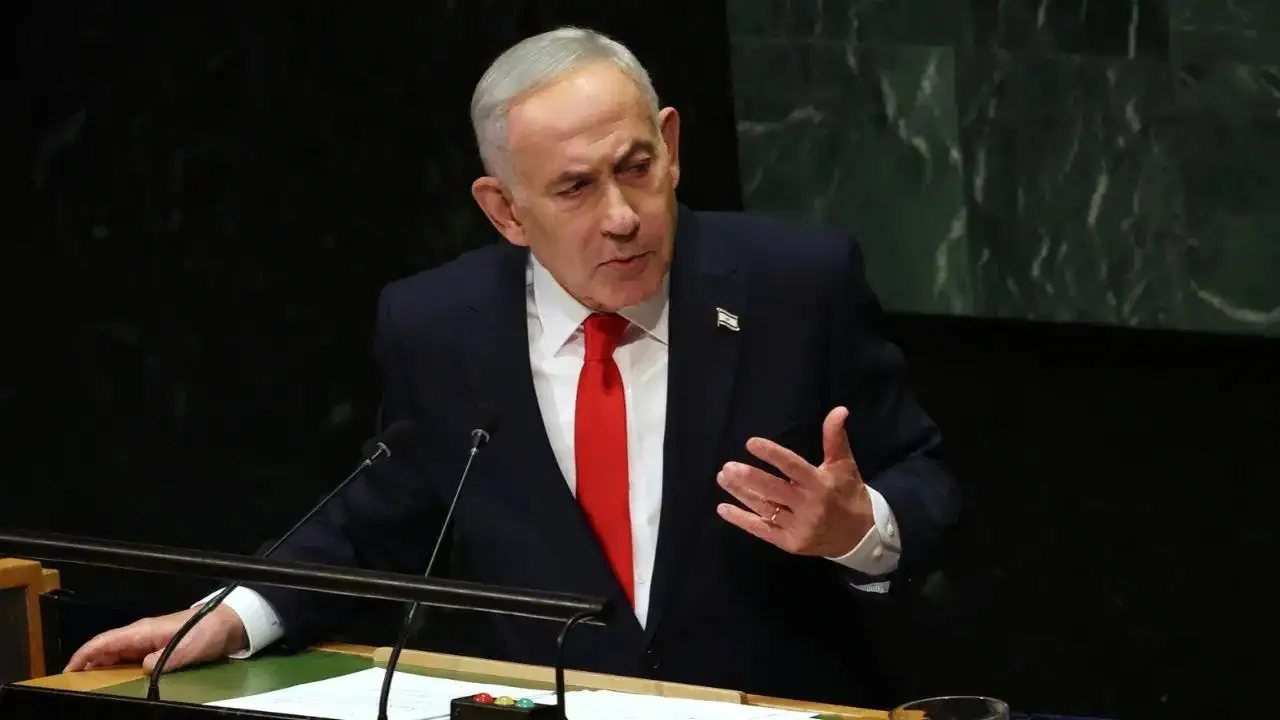
Benjamin Netanyahu is facing fresh challenges as Israel goes through a major political change. President Isaac Herzog has invited Gadi Eisenkot to form the next government, while a court in Jerusalem has called the Attorney General to discuss the progress of the cases against Netanyahu. The court wants to know how the trials can move forward and whether Netanyahu can be allowed to appear personally only when necessary. It has also stressed the need to complete the proceedings and deliver a decision as soon as possible.
Three Cases Against Netanyahu
According to the report, Netanyahu is facing three major cases, numbered 1000, 2000 and 4000. The first two cases involve allegations related to gifts and benefits received by Netanyahu and questions about a possible breach of public trust. The third case, known as Case 4000, involves allegations of bribery during his tenure as Prime Minister. A charge sheet has also been filed in this case. These proceedings could become a major challenge for Netanyahu as he prepares to leave office.
What Are Cases 1000 and 2000?
Case 1000 and Case 2000 are part of the corruption investigations involving Netanyahu. The allegations concern benefits and dealings that prosecutors believe may have involved a breach of public trust. The cases have remained an important part of the legal battle surrounding his political career. The court has now asked the Attorney General to explain how the proceedings can be taken forward and whether any changes are needed in the way Netanyahu appears during the trial.
Bribery Allegations in Case 4000
Case 4000 is considered one of the most serious cases against Netanyahu. It involves allegations that he accepted bribes while serving as Prime Minister. US President Donald Trump has reportedly appealed to Israeli President Isaac Herzog at least three times to end the case. However, Herzog did not withdraw the proceedings. With the possibility of a change in government, the legal cases could put Netanyahu under greater pressure.
Security Briefing for Eisenkot
Meanwhile, Netanyahu gave a security briefing to Gadi Eisenkot on Thursday. Such a briefing is part of the process for an incoming Prime Minister in Israel. According to the report, the Israel Defense Forces (IDF) said that an attack on Iran was not necessary at present. Earlier reports had suggested that Netanyahu was considering military action against Iran and had been in regular contact with IDF Chief of Staff Eyal Zamir.
Iran Issue Adds to Political Change
Eisenkot is reportedly not in favour of attacking Iran at this stage. During the briefing, the IDF is said to have indicated that Israel could join an operation if the United States launches an attack. The difference in views over Iran adds another important issue to the political transition. While Eisenkot prepares to take charge, Netanyahu faces three legal cases that could shape his future after leaving office.