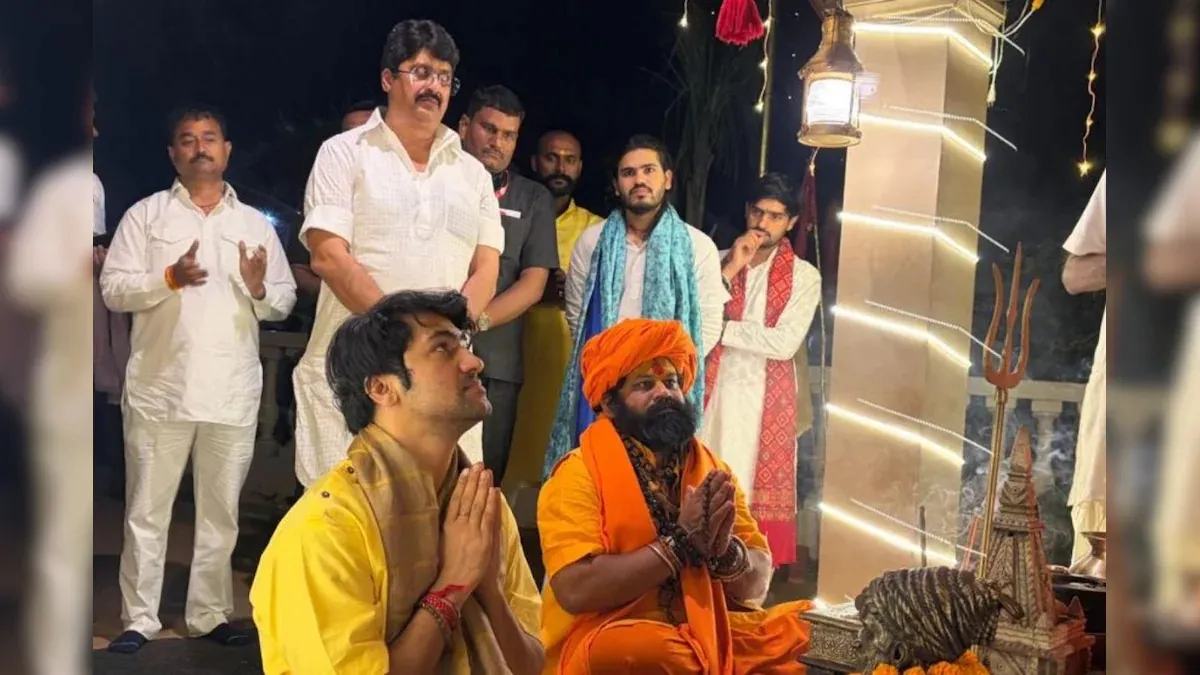
Kunda in Pratapgarh has become the centre of attention as Raja Bhaiya organised a four-day Shri Ram Katha featuring Dhirendra Krishna Shastri, head of Bageshwar Dham. The event began on November 17 and has attracted attention not only for its scale but also for its political and social significance. Raja Bhaiya personally welcomed Shastri at Prayagraj's Bamrauli Airport and drove him to Kunda. Before the main programme, grand Kalash processions were organised across Kunda, Babaganj, Kalakankar and Bihar blocks. Residents were invited to the event through village-level outreach.
Muslim Women Join Kalash Procession
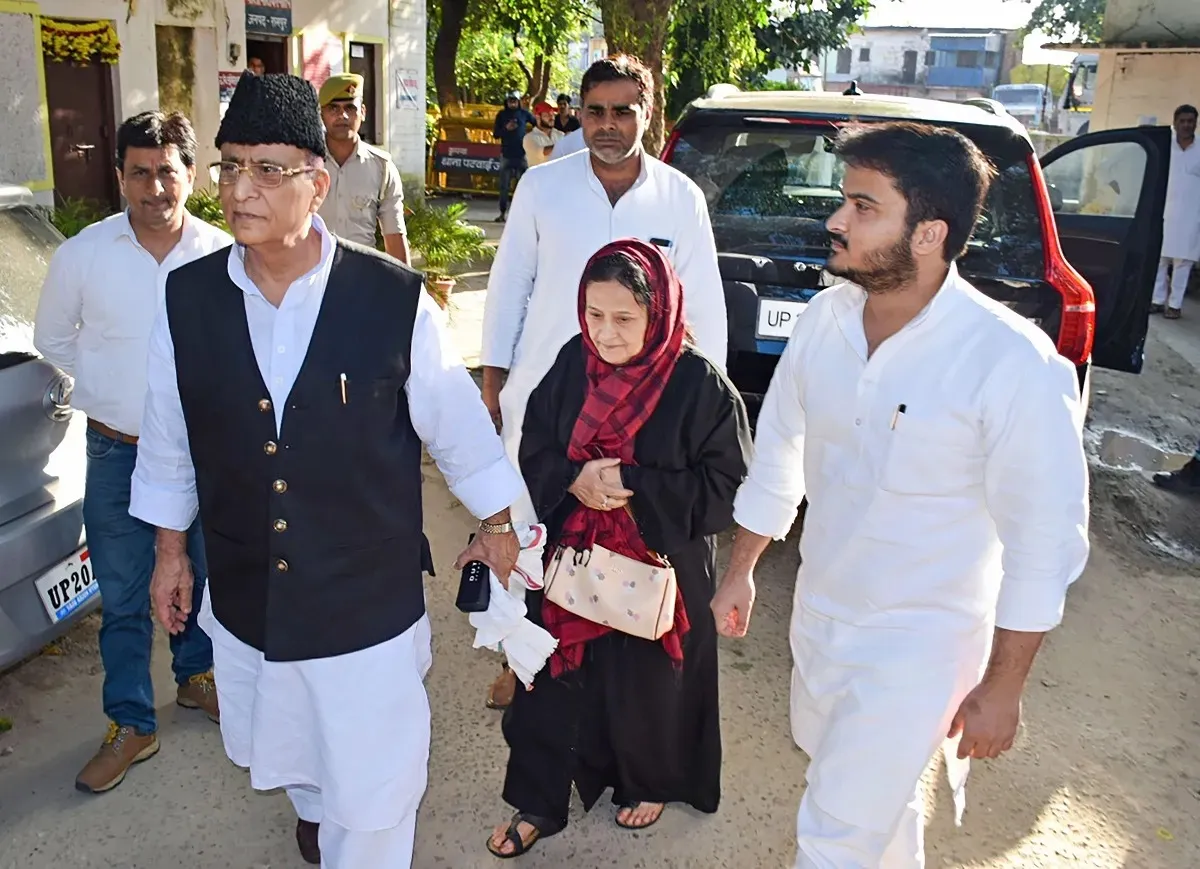
One of the most talked-about moments from the preparations was the participation of Muslim women in the Kalash procession. Their presence alongside other participants attracted attention and gave the event a wider social dimension. Raja Bhaiya's sons and leaders of his Jansatta Dal were also part of the procession. The participation of women from different communities became a major talking point, with the event being discussed beyond the boundaries of the religious gathering itself.
Massive Arrangements for Ram Katha
The organisers have made extensive arrangements for the programme. A large pandal, approximately 100 feet wide and 560 feet long, has been prepared to accommodate thousands of devotees. Security arrangements have also been strengthened, with the area divided into nine sectors and seven zones. Around 1,200 police personnel have been deployed. The Ram Katha will continue until November 19, followed by a Divya Darbar on November 20. The scale of the arrangements reflects the importance attached to the event by its organisers.
Political Controversy Before the Event
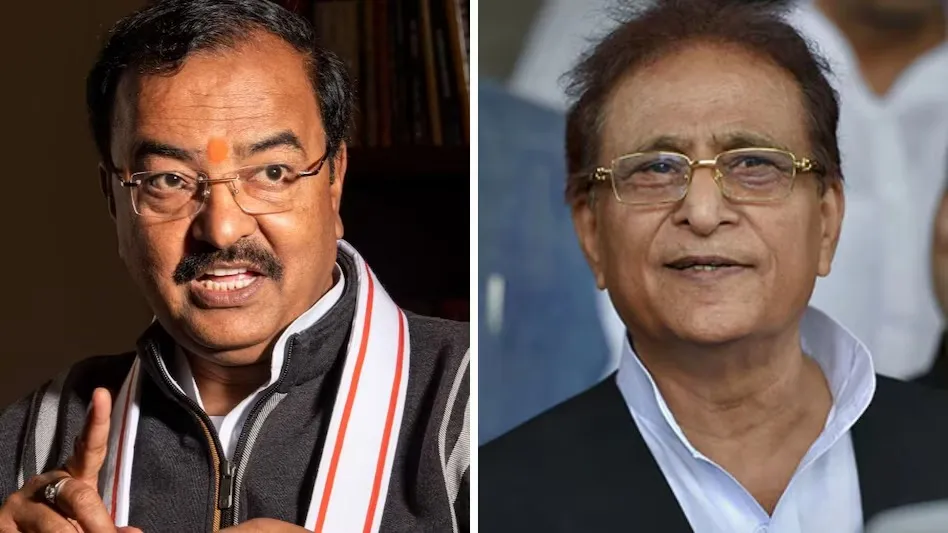
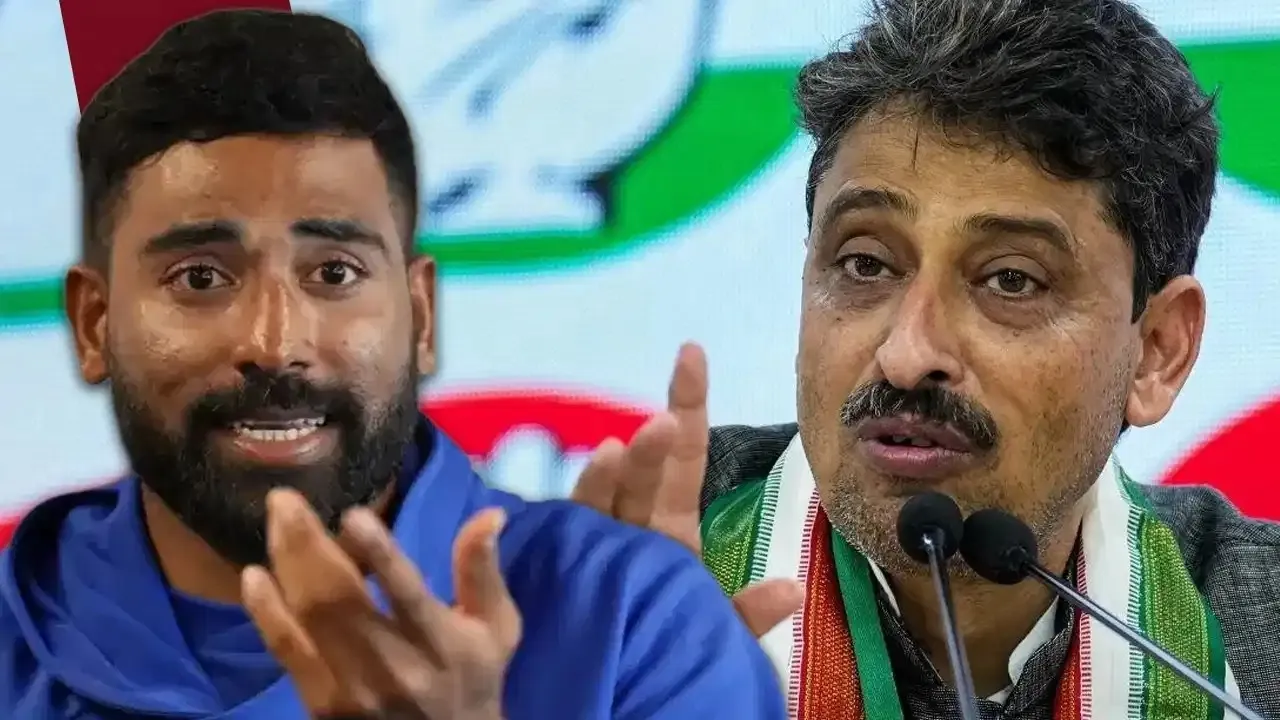
The Ram Katha also became a subject of political debate before it began. Some Samajwadi Party leaders questioned Dhirendra Krishna Shastri and alleged that his programmes promote the BJP's political agenda ahead of elections. The criticism added a political angle to the religious gathering. Responding to the opposition without directly naming anyone, Raja Bhaiya said India is not an Islamic nation where religious discourses can be stopped. He added that those who listen to the Ram Katha would benefit from it. His statement made his position clear: the programme would continue despite criticism.
Raja Bhaiya and Akhilesh's Old Political Rivalry
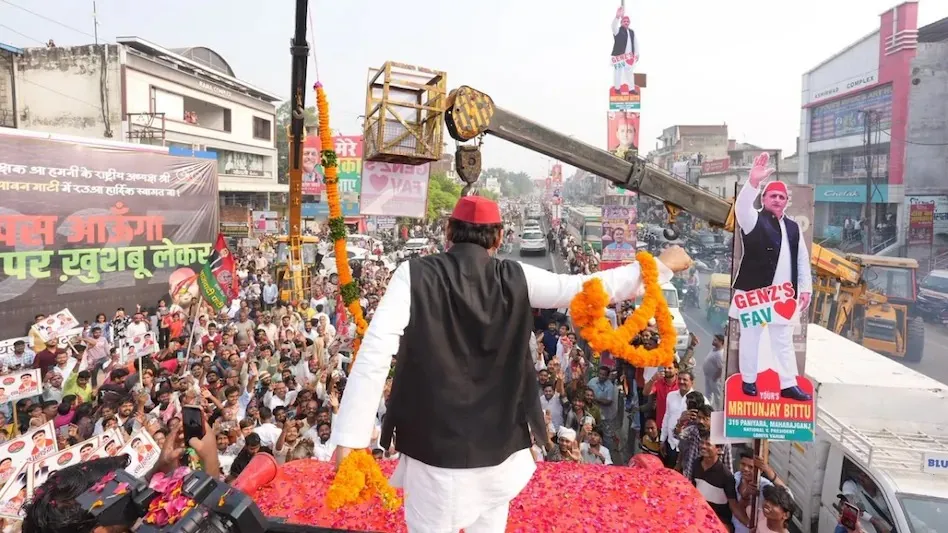
The controversy has also brought the strained relationship between Raja Bhaiya and Akhilesh Yadav back into focus. The two leaders once shared a cordial political relationship, dating back to the Mulayam Singh Yadav era. Raja Bhaiya also served as a Cabinet Minister in Akhilesh's government. Their relationship deteriorated after the 2018 Rajya Sabha elections, when Raja Bhaiya did not support the BSP candidate backed by the SP. The distance widened after the SP-BSP alliance in 2019. In 2021, Akhilesh questioned Raja Bhaiya's political relevance, and during the 2022 Assembly elections, the rivalry became more visible when Akhilesh campaigned against him in Kunda.
Religious Gathering Turns Political Talking Point
The latest Ram Katha has once again brought Raja Bhaiya and Akhilesh into the political conversation, but this time the focus is on religion, social participation and political criticism. For Raja Bhaiya, the event is a major religious gathering in his constituency. His supporters see it as a message about religious traditions and freedom. Meanwhile, the participation of Muslim women in the Kalash procession has added another dimension to the discussion. With the Ram Katha continuing in Kunda, attention is now on whether the event will remain a religious occasion or also influence the political debate ahead of the 2027 Uttar Pradesh Assembly elections.