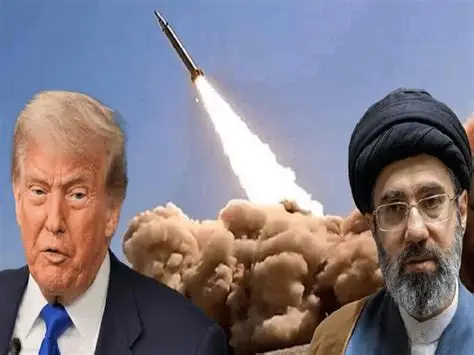
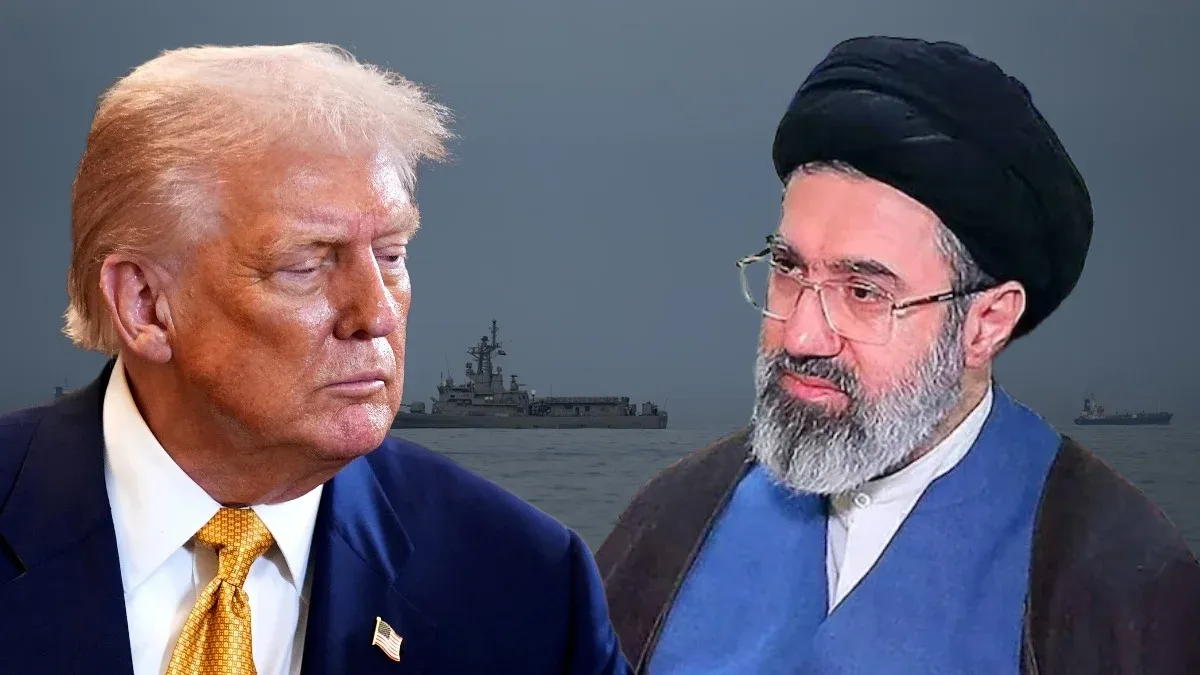
US President Donald Trump has made a significant statement regarding the ongoing military tensions with Iran, suggesting that further American military strikes may not be necessary at this stage. Speaking after meeting Qatar's Prime Minister Sheikh Mohammed bin Abdulrahman Al Thani at the White House, Trump indicated that Iran's military capabilities had been severely weakened. His remarks have raised hopes of easing tensions in West Asia and opened the possibility of a diplomatic solution. However, Washington has maintained that it remains prepared to respond if the situation changes.
Trump Claims Iran's Military Capabilities Have Been Weakened
During his interaction with reporters, Trump suggested that Iran's military strength had suffered significant damage and that another round of major military action was not currently necessary. He indicated that Iran's military leadership and operational capabilities were no longer as strong as before. However, the US president made it clear that America was not lowering its guard. He said the US military remained prepared to take action whenever required. Washington will continue monitoring developments and make decisions based on the changing security situation.
What Was Discussed During the Meeting With Qatar's PM?
The meeting between Trump and Qatar's Prime Minister Sheikh Mohammed bin Abdulrahman Al Thani is being viewed as an important diplomatic development amid the Iran crisis. The discussions reportedly focused on regional security, Iran's nuclear programme and the possibility of reaching an agreement between Washington and Tehran. Qatar has played an important mediating role in diplomatic efforts involving the two countries. The meeting has renewed attention on Doha's efforts to reduce tensions and bring both sides closer to negotiations. Diplomatic engagement could prove crucial in preventing another escalation in the region.
Iran's Nuclear Programme Remains a Major Concern
Despite signalling that further military strikes may not be necessary, Trump has maintained a firm position on Iran's nuclear ambitions. Washington wants any long-term agreement to ensure that Tehran does not develop nuclear weapons. The US administration considers this a key condition for lasting peace in the region. Iran, meanwhile, has its own demands for negotiations. These include lifting the US naval blockade, easing economic sanctions, releasing frozen assets and securing compensation for war-related damage. The differences between the two sides remain significant, making a comprehensive agreement difficult to achieve in the immediate future.
Hopes of Peace Rise, but Military Tensions Continue
Trump's latest remarks have raised hopes of a possible reduction in tensions across West Asia, but they do not amount to a formal declaration that the conflict has ended. The United States continues to maintain its military preparedness and has not ruled out further action if circumstances demand it. Iran, on the other hand, remains cautious about Washington's statements and its military policies. The coming days will be crucial in determining whether diplomatic efforts led by Qatar can produce meaningful progress. The future of the crisis will largely depend on negotiations over Iran's nuclear programme, the lifting of restrictions and the willingness of both countries to reach a settlement.
Trump Signals No Need for Further Strikes on Iran, Says Its Military Power Has Been Crippled After Meeting Qatar PM
TheFearless
10 Nov 2026 · 6:51 AM IST
Related Stories