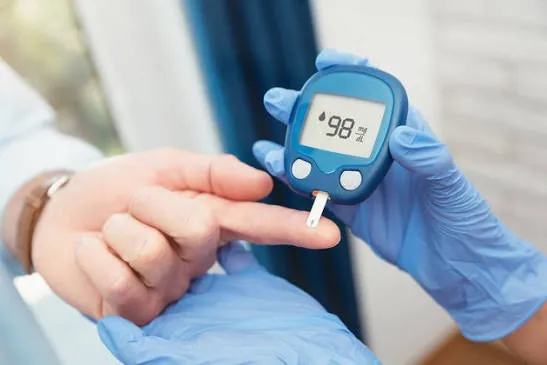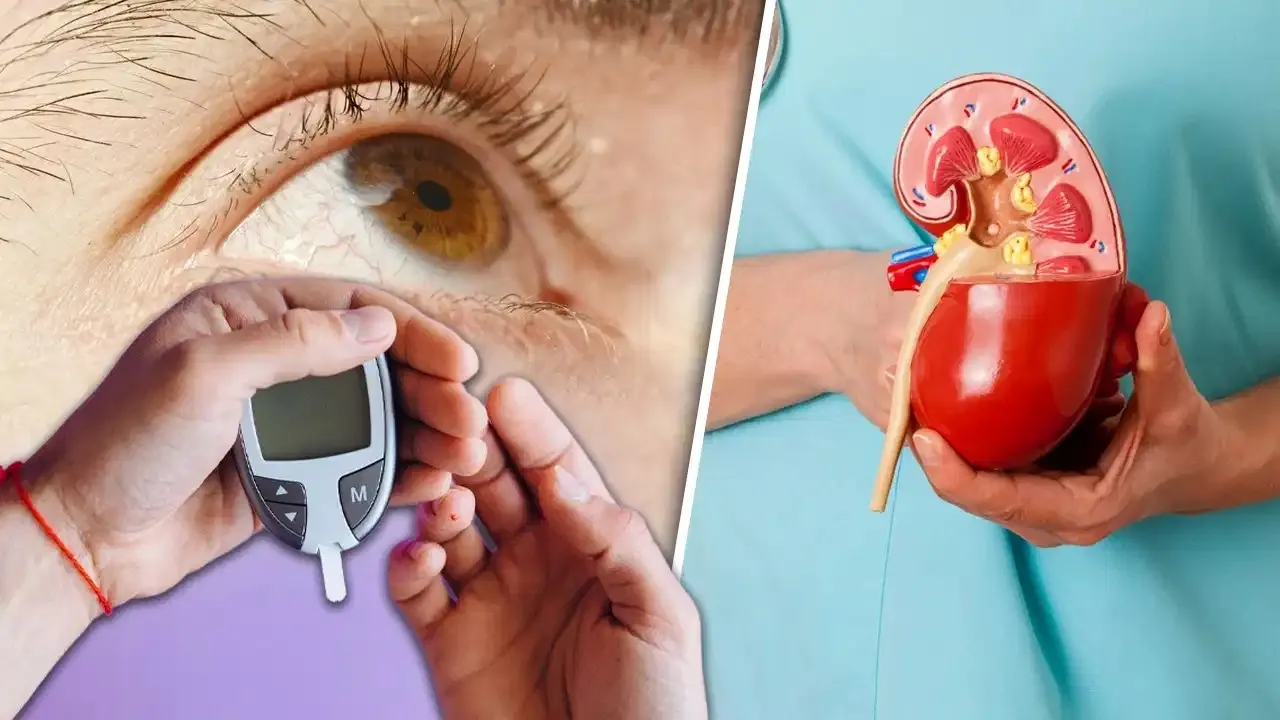
Type 2 diabetes is not limited to high blood sugar levels. It can affect several parts of the body, including the eyes, kidneys, nerves, feet, heart and even teeth and gums. Many complications develop silently, making regular health checks important. During a USV health awareness session, three medical experts explained the warning signs that people with diabetes should not ignore.
Experts Explain the Risks
The discussion featured Dr Sanjay P. Gandhi, consulting physician and diabetologist at SPG, Pune; Dr Sachin K. Gupta of Krishna Diabetes Clinic and Educational Research Centre, Bhopal; and Dr S.R. Aravind, director of Diacon Hospital, Bengaluru. They highlighted why diabetes management should go beyond monitoring blood sugar and HbA1c levels.
Eye Problems Can Develop Silently
Dr Sachin K. Gupta explained that people with type 2 diabetes should undergo a detailed eye examination, even if their vision appears completely normal. A fundus examination helps detect early signs of diabetic retinopathy, a condition that can damage the retina. Experts recommend regular eye check-ups because vision problems may not appear in the early stages.
Warning Signs You Should Not Ignore
Blurred vision, reduced eyesight, eye pain and double vision should not be ignored. People experiencing these symptoms should get their eyes examined promptly. Experts also stress that having clear vision does not mean the eyes are free from diabetes-related damage.
Kidney Health Needs Regular Tests
Dr S.R. Aravind warned that a normal creatinine reading does not always mean the kidneys are completely healthy. People with diabetes should undergo tests such as estimated glomerular filtration rate (eGFR) and urine albumin-to-creatinine ratio (UACR). These tests help assess kidney function and detect protein leakage. Annual monitoring is generally recommended, with medical advice needed if any concerning symptoms appear.
Tingling and Foot Wounds Matter
Dr Sanjay P. Gandhi said persistent tingling, numbness or burning sensations in the feet could indicate diabetic neuropathy, which occurs when prolonged high blood glucose damages nerves. People with diabetes should also regularly check their feet for cuts, blisters and small wounds. Even minor injuries should not be ignored, as nerve damage can make it difficult to notice them.