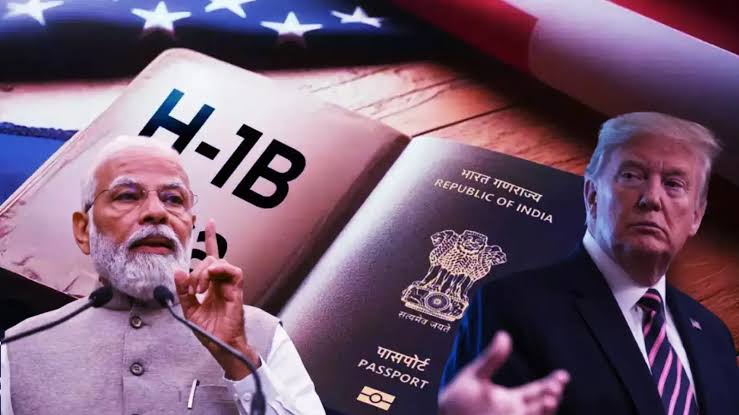
US Tightens Visa Rules: Indian professionals working in the United States could face fresh challenges as the Donald Trump administration moves towards tightening visa extension rules. The US Department of Homeland Security (DHS) has proposed changes that could make the extension process more complicated for holders of five major work visa categories, including H-1B. If implemented, the proposal could end the existing practice of relying heavily on previous approvals when processing certain extension applications. The development has raised concerns among Indian professionals who depend on these visas to continue working in the US.
Five Visa Categories Could Face Stricter Checks
The proposed changes cover five major visa categories: H-1B, L-1, O-1, TN and E visas. Under the existing system, immigration officers may give weight to previous approvals when there have been no significant changes in an employee's job, employer or working conditions. This can make the extension process relatively straightforward. However, under the proposed framework, officers could reassess applications more thoroughly. This means that even employees who have previously received approval for the same position may need to establish their eligibility again.
Why Indian Professionals Could Be Hit Hard
Indian nationals account for a significant share of foreign professionals working in the US on H-1B visas. Many are employed in sectors such as information technology, engineering, software development and consulting. Any tightening of extension procedures could therefore have a considerable impact on Indian employees. Applicants may have to submit additional documents relating to their qualifications, salaries, job responsibilities and employers. The possibility of further scrutiny could also increase processing times and create uncertainty for professionals planning to continue their careers in the US.
Companies May Face Higher Costs and Paperwork
The proposed changes could create challenges for American employers as well. Companies hiring foreign professionals may need to prepare more detailed documentation and provide additional evidence during extension applications. According to estimates by the Department of Homeland Security, the proposed changes could result in approximately 6,044 additional Requests for Evidence (RFEs) every year. This could increase administrative expenses, legal costs and the workload of corporate immigration departments. Indian IT companies and technology businesses operating in the US may also need to review their employee visa management strategies.
Public Comments Invited Until November 13
The US government has invited comments and suggestions from individuals, businesses and other stakeholders on the proposal until November 13, 2026. The proposal was published on October 14. Importantly, the changes have not yet become final rules, and the existing system remains in place for now. The DHS will review the feedback before deciding whether to implement the proposed changes. If approved, the new framework could make visa extensions more demanding for H-1B and other work visa holders. Indian professionals working in the US and companies employing foreign talent are closely watching the next steps in the immigration policy process.
US Tightens Visa Rules: H-1B and Four Other Visa Extensions May Face Tougher Scrutiny, Indians Among Those Affected Indian professionals working in the United States could face fresh challenges as th
TheFearless
13 Nov 2026 · 8:19 AM IST
Related Stories