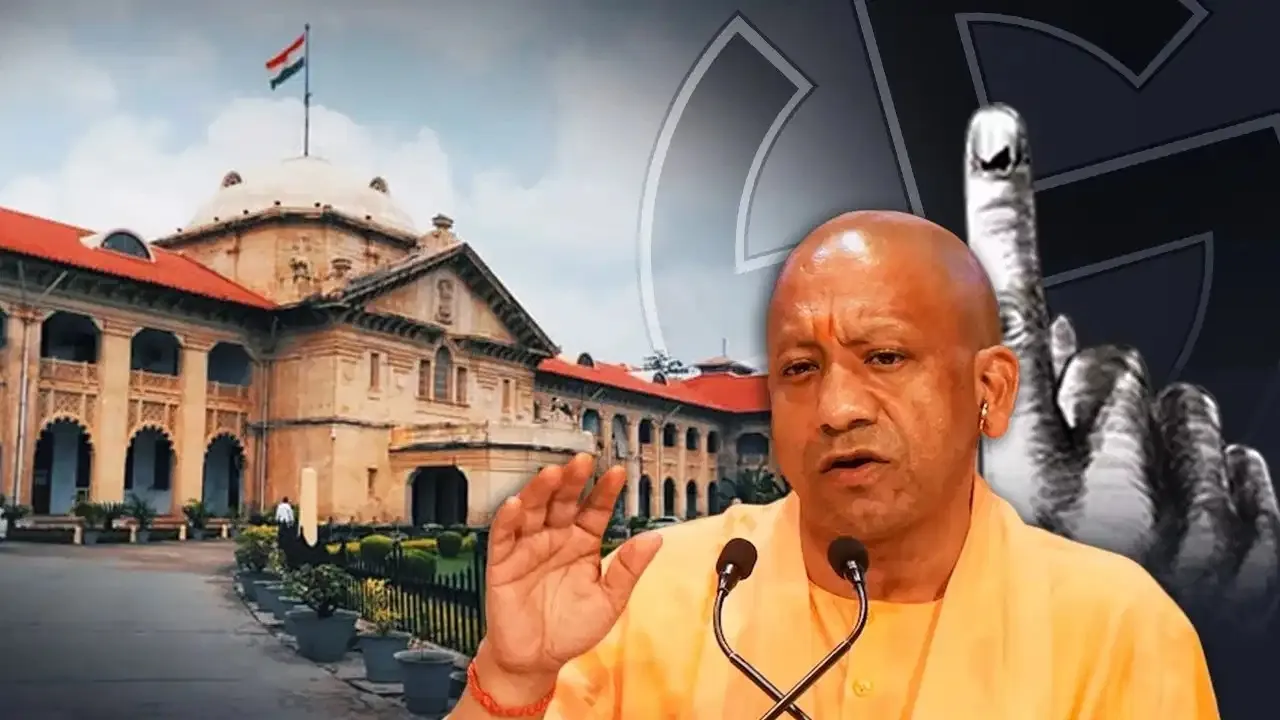
The Yogi Adityanath government is preparing to delay Uttar Pradesh’s three-tier panchayat elections, even after the Allahabad High Court directed the state to complete the polls within three months. A Cabinet meeting chaired by Chief Minister Yogi Adityanath on November 18 may approve the Uttar Pradesh Panchayati Raj (Amendment) Ordinance, 2026. The proposed move could extend the tenure of administrators in gram panchayats by another six months. The government may also extend the term of the dedicated Backward Classes Commission by five months. If implemented, the elections could be pushed to May 2027, after the Assembly elections.
Why Elections Were Delayed
The previous panchayat elections were held in 2021, and the five-year tenure of the elected gram panchayats ended in May 2026. Around 57,694 gram panchayats completed their terms, after which the government appointed outgoing village heads as administrators. The government cited delays in preparing the voter list and completing the process for OBC reservation as reasons for not holding elections on time. A dedicated Backward Classes Commission was formed on May 18, 2026, to study the representation of backward classes in rural local bodies and recommend reservations. The commission was given six months to submit its report, but its work remains incomplete.
High Court’s Three-Month Deadline
On October 14, 2026, a division bench of the Allahabad High Court, comprising Justice Ajit Kumar and Justice Garima Prasad, directed the state government and State Election Commission to complete the panchayat elections within three months. The court said the elections should be conducted under the existing reservation system, including 27 per cent reservation for OBCs. It also clarified that the commission could continue its study, but waiting for its report could not become a reason to stop the election process. The government was directed to provide the election authorities with the required staff, funds, security and other facilities.
Can an Ordinance Override the Court?
The government is considering an amendment to Section 12(3-Ka) of the Uttar Pradesh Panchayati Raj Act, 1947. This provision allows the appointment of an administrator or administrative committee when holding gram panchayat elections is not possible due to special circumstances or public interest. The existing arrangement permits an administrator’s appointment for a maximum period of six months. However, issuing an ordinance would not automatically cancel the High Court’s order. Unless the court stays or modifies its direction, the three-month deadline will remain in force. Any attempt to postpone elections through the proposed amendment could face a fresh legal challenge.
Administrators’ Powers and Political Stakes
Under the government’s May 2026 order, outgoing village heads serving as administrators can manage routine panchayat work and ensure essential services continue. They cannot independently take major policy decisions. In exceptional situations, proposals must be sent through the District Panchayat Raj Officer to the District Magistrate for approval. The proposed extension would therefore continue the temporary administrative arrangement rather than restore the full powers of elected representatives. The delay also carries political implications because panchayat elections influence local leadership and party organisation across villages, blocks and districts.
What Happens Next?
The government faces a legal and political challenge as preparations for the 2027 Assembly elections gather pace. Conducting panchayat elections before the Assembly polls would require a large number of officials, police personnel and administrative resources. It would also bring local political rivalries and rural voter sentiment into focus ahead of the bigger election. According to the report, the government is concerned that dissatisfaction among local leaders during panchayat elections could affect the party’s prospects in the Assembly polls. The proposed ordinance may extend the delay, but the final position will depend on the legal process and whether the High Court changes its existing directions.