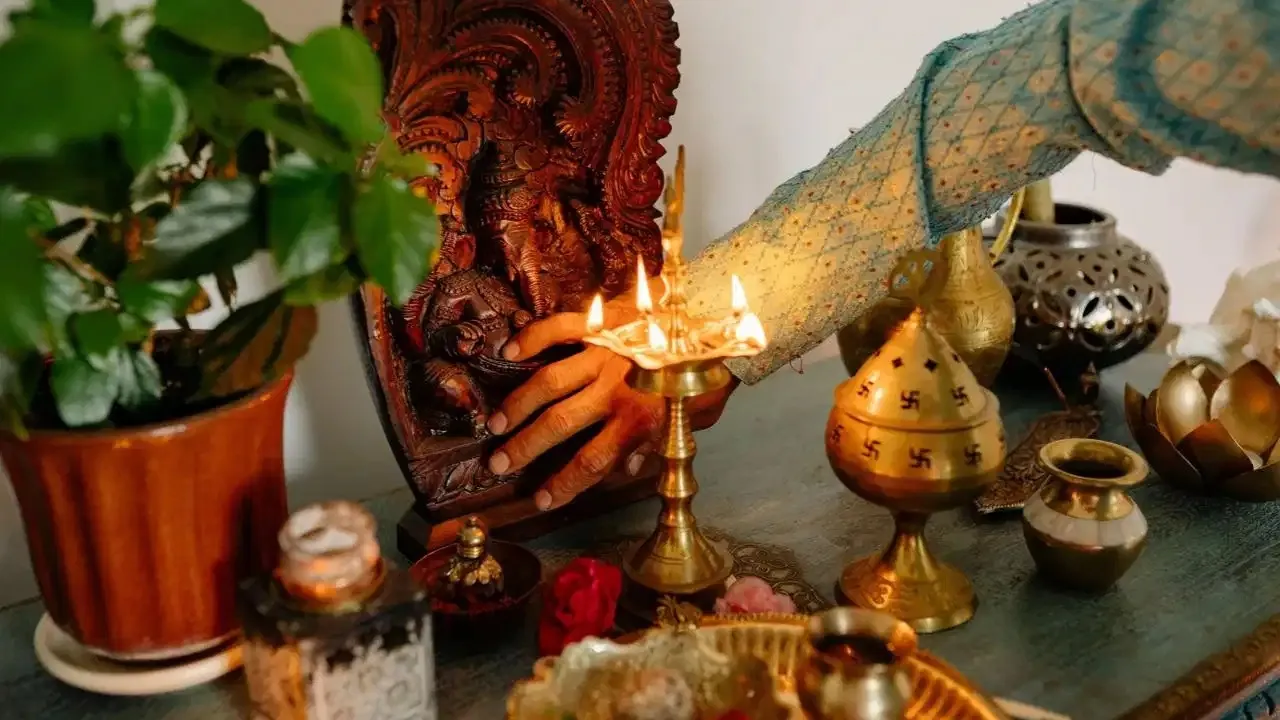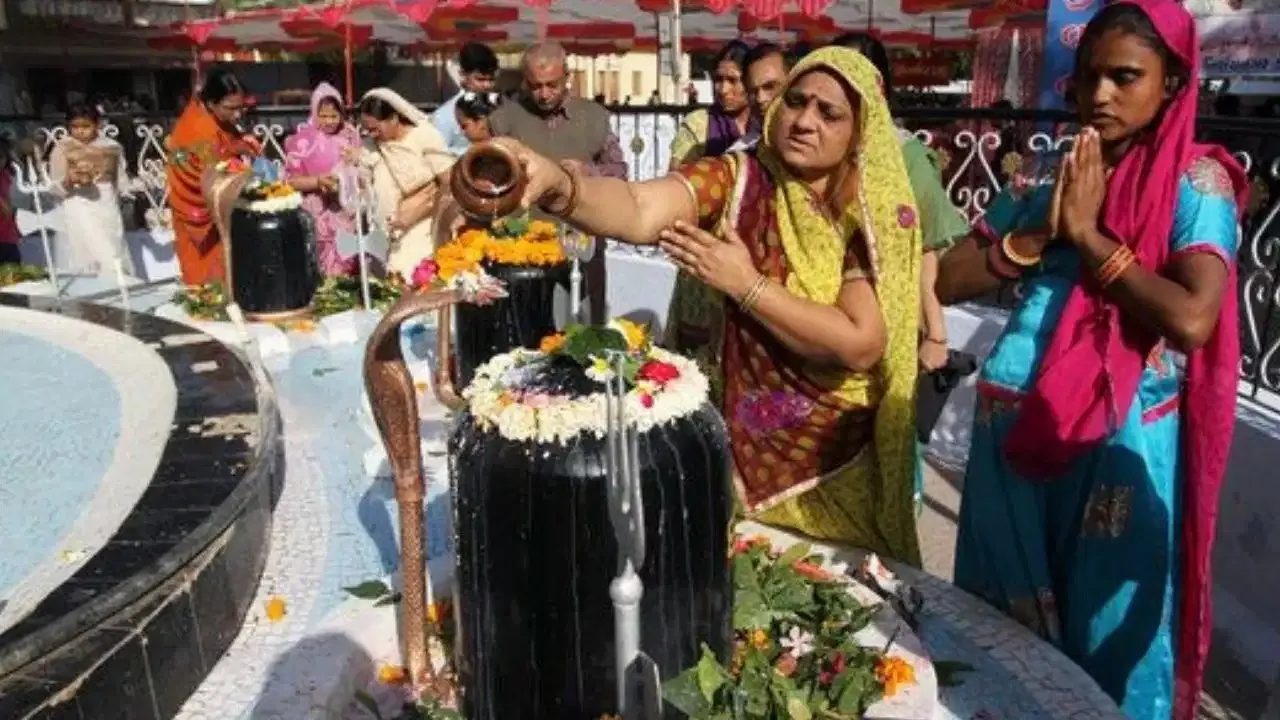
The 16 Somvar Vrat is dedicated to Lord Shiva and is observed for 16 consecutive Mondays to seek his blessings. According to Hindu religious beliefs, keeping this fast can bring happiness, prosperity and fulfilment of wishes. Unmarried women observe it with the wish to find a suitable life partner, while married women pray for their husband's long life and a happy married life. Lord Shiva and Goddess Parvati are worshipped during this fast.
When to Begin the Fast
Devotees can begin the 16 Monday fast on any auspicious Monday. Starting from the first Monday of the month of Sawan is also considered शुभ. Food habits, prayers and personal behaviour are given special importance during the fasting period. After completing 16 Mondays, devotees traditionally perform the Udyapan ceremony on the 17th Monday. Special prayers and a havan are performed to mark the completion of the fast.
Seven Benefits of the Vrat
According to religious beliefs, observing this fast with devotion brings several benefits. Unmarried women pray for their desired life partner, while married women seek a long and healthy life for their husbands. Couples also observe the fast with the wish to have children. Regular worship, meditation and chanting of the 'Om Namah Shivaya' mantra are believed to bring mental peace and improve concentration. Devotees also pray for relief from financial difficulties, planetary problems and physical suffering. These benefits are based on traditional religious beliefs.
Avoid Non-Vegetarian Food
Devotees are traditionally advised to avoid meat, fish, eggs and alcohol during the 16 Somvar Vrat. Smoking, tobacco and other intoxicating substances should also be avoided. Many fasting traditions prohibit onion, garlic and certain spices. Some devotees also avoid regular salt and grains. Depending on family and religious traditions, people may observe the fast with fruits or eat one simple sattvik meal during the day.
Follow Shiva Puja Rules
Certain offerings are traditionally considered unsuitable for Lord Shiva's worship. Devotees are advised not to offer tulsi leaves, turmeric, vermilion, ketaki flowers or kewra flowers to the Shivling. Offering water through a conch shell and coconut water on the Shivling is also avoided in many traditions. Torn bel leaves and dried flowers should not be used. Clean clothes are recommended during worship. White, red and green clothes are considered auspicious, while black and blue are traditionally avoided.
Keep Your Behaviour Pure
Fasting is not limited to food and worship. Devotees are advised to avoid anger, arguments, abusive language, lies, gossip and criticism of others. Maintaining a calm mind and respectful behaviour is considered an important part of the vrat. The fast should be completed with devotion, but people facing health problems should not force themselves to remain hungry. After 16 Mondays, the traditional Udyapan ceremony is performed on the 17th Monday to conclude the fast.