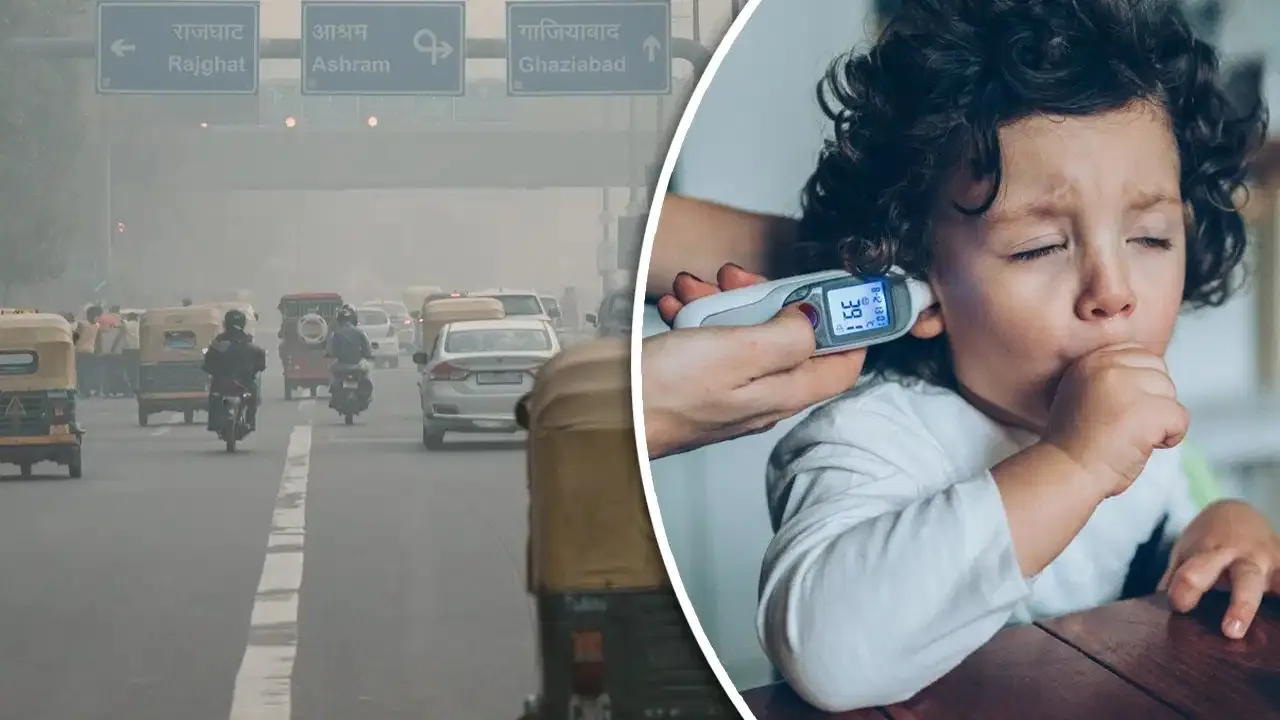
Air pollution is becoming a growing health concern as weather conditions change and pollution levels rise. Children are particularly vulnerable because their lungs are still developing. Even if a child appears healthy, plays normally and has no obvious breathing problems, polluted air may still affect their respiratory health. Fine particles such as PM2.5 can travel deep into the lungs and cause inflammation. In some cases, the effects may not be immediately visible, making prevention especially important.
Why Children Breathe in More Pollutants
Children can be exposed to higher levels of pollution relative to their body size because they breathe faster than adults. When they run, play or exercise outdoors, their breathing rate increases, potentially causing them to inhale more polluted air. Prolonged exposure may interfere with lung development and reduce lung function. Air pollution can also increase the risk of respiratory problems, including asthma. Children who already have asthma or allergies may experience worsening symptoms when pollution levels rise.
Everyday Symptoms Parents Should Notice
Parents should watch for persistent coughing, especially if it becomes worse at night. Wheezing, breathlessness during play and difficulty breathing can also signal that a child is struggling with respiratory irritation. Some children may become tired more quickly during physical activity or experience worsening asthma symptoms. These signs should not be ignored, particularly during periods of high pollution. If symptoms continue, become more severe or interfere with normal activities, parents should seek medical advice.
Expert Advice
Check Air Quality Before Outdoor Activities: Dr Nikhil Rajvanshi, a consultant paediatric pulmonologist at Rainbow Children’s Hospital, recommends checking the local Air Quality Index (AQI) regularly. When pollution levels are high, parents should limit strenuous outdoor activities, including running, intense exercise and prolonged outdoor play. Children with asthma or other respiratory conditions may need additional precautions based on expert advice. Choosing times and locations with cleaner air can help reduce exposure, especially during periods when pollution levels fluctuate throughout the day.
Keep Indoor Air Cleaner
Protecting children also means reducing pollution inside the home. Parents should keep children away from cigarette smoke, incense sticks and other sources that release particles into indoor air. Where appropriate, an air purifier fitted with a high-efficiency particulate air (HEPA) filter can help reduce fine airborne particles indoors. However, an air purifier should not replace proper ventilation when outdoor air quality allows it. Families should also avoid smoking indoors and minimise activities that create unnecessary smoke.
Prevention Matters Even Without Symptoms
Parents should not wait for coughing or breathing difficulties before taking precautions. Children may appear healthy even when pollution exposure is affecting their respiratory system. Monitoring local AQI levels, limiting strenuous outdoor activity on heavily polluted days and keeping indoor air cleaner can help reduce exposure. If a child develops persistent coughing, wheezing or shortness of breath, medical evaluation is important. Severe breathing difficulty requires urgent medical attention. Taking these steps can help protect children’s developing lungs during periods of poor air quality.