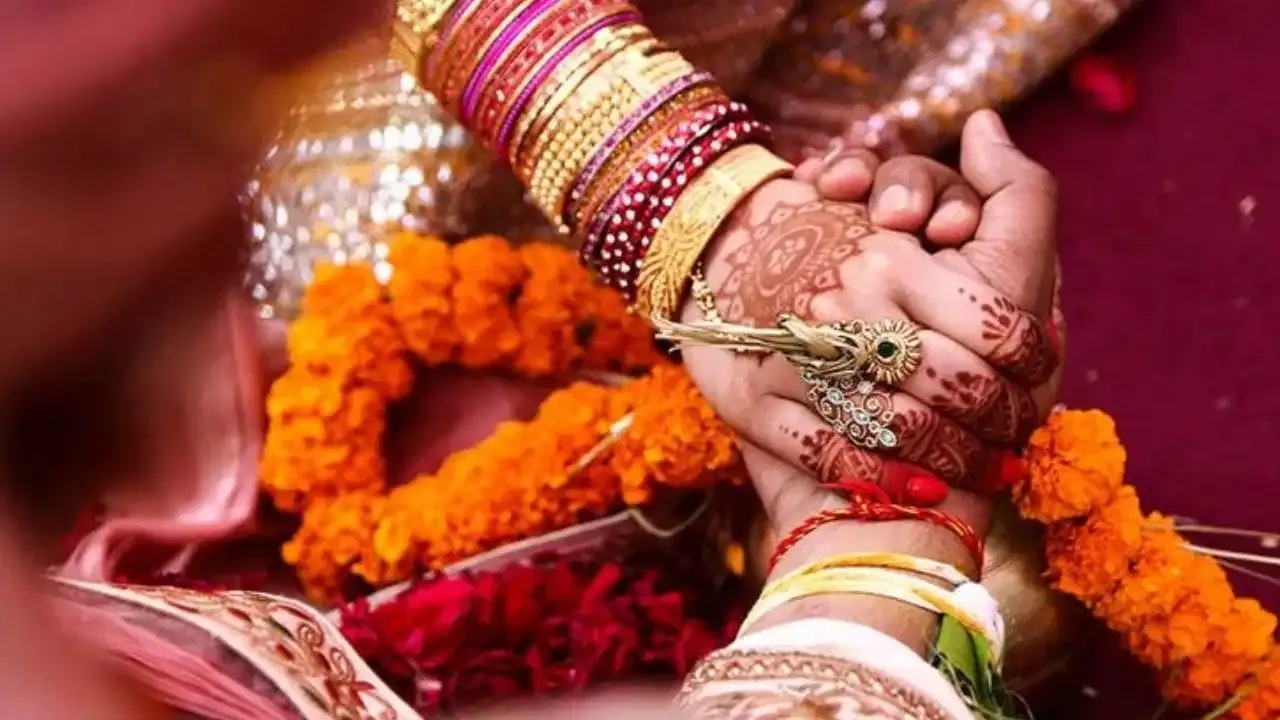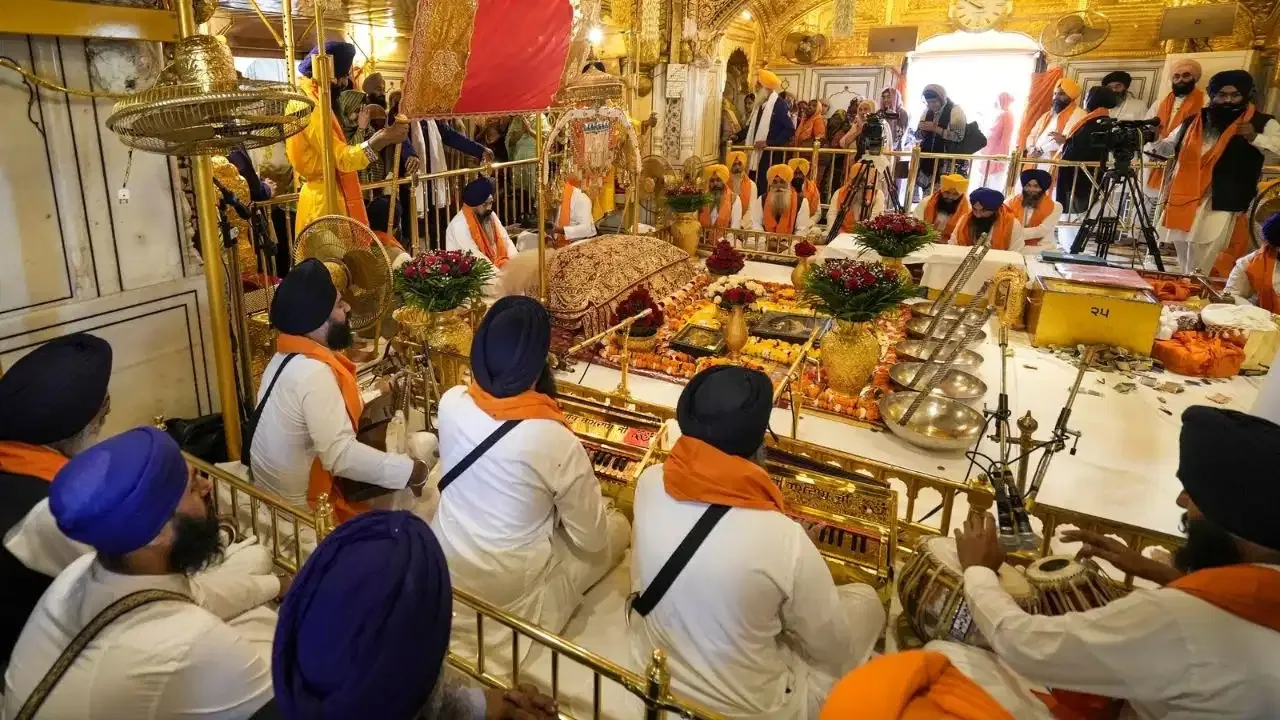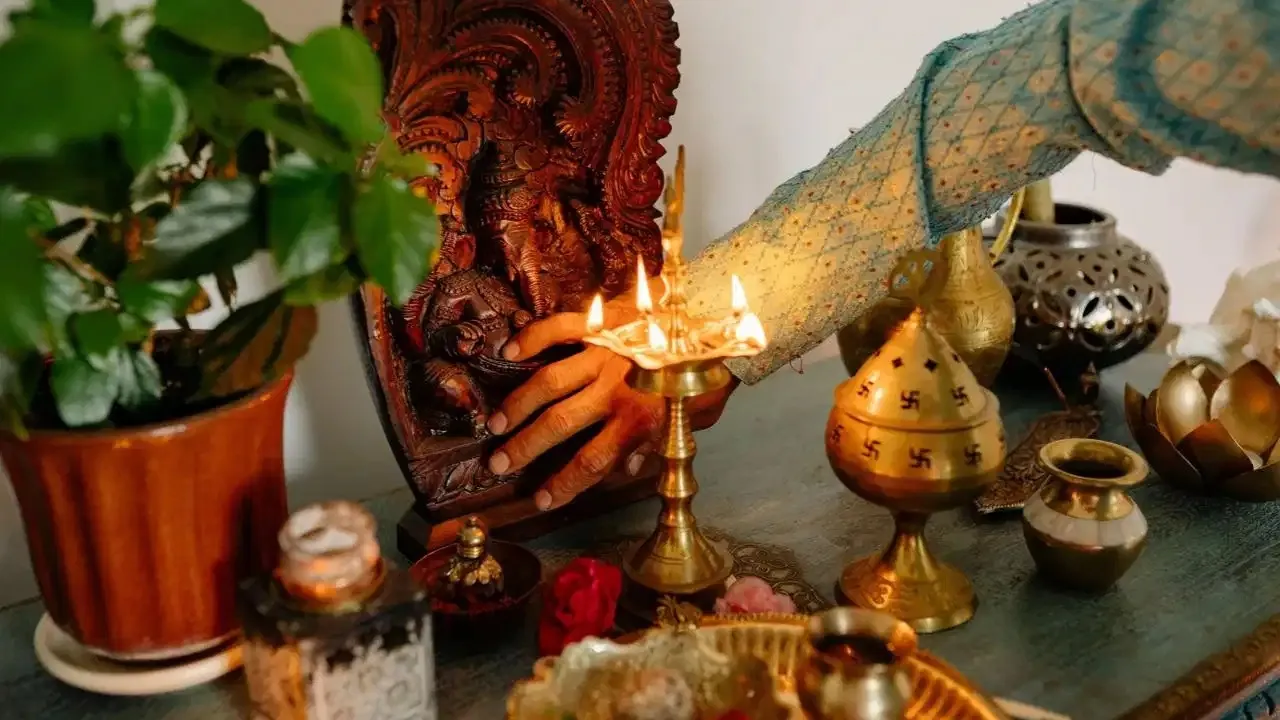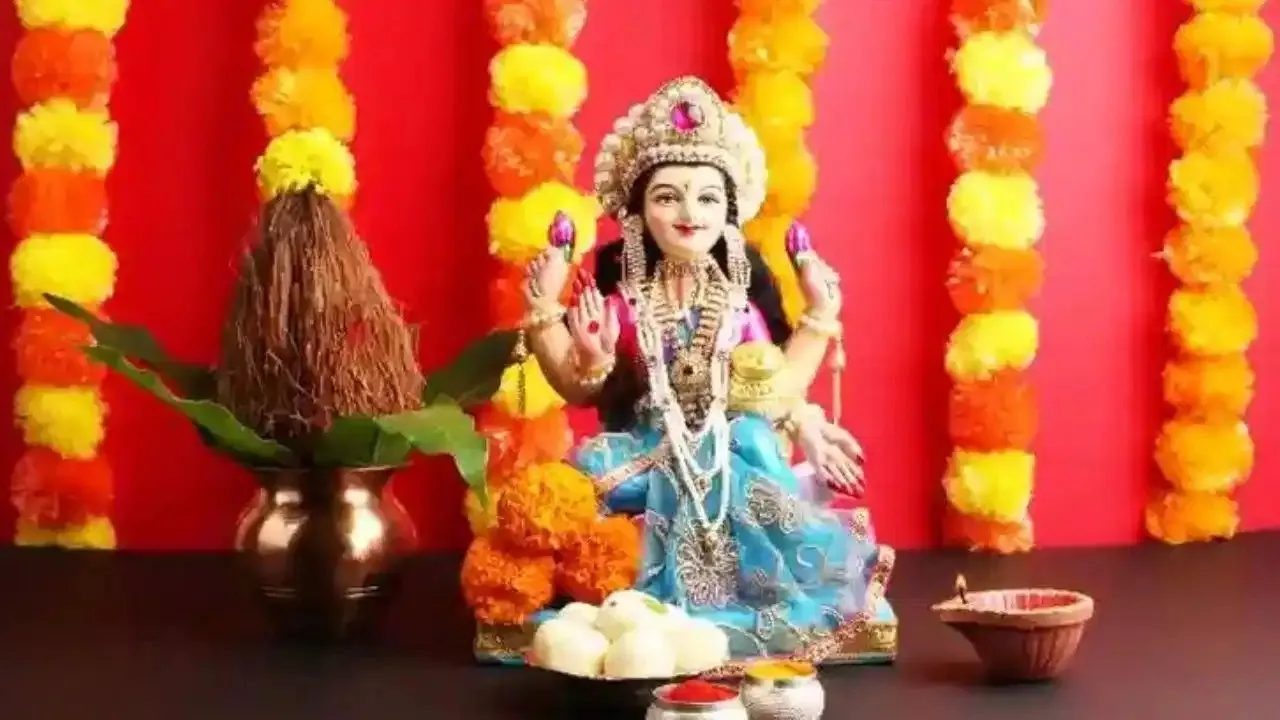
Diwali will be celebrated on November 8, 2026, which falls on a Sunday. The festival is observed every year on Amavasya, the new moon day of the Hindu month of Kartik. On this occasion, people decorate their homes with lamps, lights and rangoli. In the evening, devotees worship Goddess Lakshmi, the goddess of wealth and prosperity, and Lord Ganesha, who is believed to remove obstacles. According to religious beliefs, performing Lakshmi Puja with devotion brings happiness, peace and prosperity to the family.
Lakshmi Puja Auspicious Timings
According to the Panchang timings for New Delhi, the main auspicious period for Lakshmi Puja on November 8 will be from 5:54 pm to 7:50 pm. The total duration will be around one hour and 56 minutes. The Pradosh Kaal will begin at 5:31 pm and continue until 8:09 pm. The Vrishabha Kaal, also known as the stable ascendant period, will be from 5:54 pm to 7:50 pm. The Nishita Kaal, considered suitable for certain special rituals, will be from 11:49 pm to 12:41 am on November 9.
Materials Required for Puja
Devotees should arrange all the necessary items before beginning the worship. These include idols or pictures of Goddess Lakshmi, Lord Ganesha and Lord Kuber; a copper or brass kalash; Gangajal and clean water; betel nuts; coins; five mango or Ashoka leaves; and a coconut. Other items include red or yellow cloth, rice grains, roli, sandalwood paste, moli, incense sticks, ghee and oil lamps, flowers such as lotus or rose, sweets and fruits. Keeping everything ready helps ensure that the puja can be performed without interruption.
How to Perform Lakshmi Puja
First, clean the place of worship and sprinkle Gangajal to purify it. Take a small amount of water, rice and flowers in your hand and make a puja resolution for the family's happiness and prosperity. Place a red or yellow cloth on a wooden platform and set up the kalash filled with water. Add a betel nut, coin and rice grains, then place five leaves and a coconut on top. Install the idols of Lord Ganesha, Goddess Lakshmi and Lord Vishnu or Kuber according to family tradition.
Offerings, Lamps and Aarti
Begin the worship by offering roli, rice, flowers and Durva grass to Lord Ganesha. Offer him modaks or laddoos. Then worship Goddess Lakshmi by offering water, Panchamrit, a red chunari, jewellery, perfume, sindoor, kumkum, rice and flowers. Lotus flowers, lotus seeds and sweets can also be offered. People who run businesses may place their account books, laptops or other work-related items before the deities. Light a ghee lamp in front of Goddess Lakshmi. At the end, perform the aarti, offer flowers and seek forgiveness for any mistakes made during the puja.
Three Lakshmi Mantras to Chant
Devotees can chant Lakshmi mantras during the worship with faith and devotion. The simple mantra is “Om Shreem Mahalakshmyai Namah.” Another special mantra is “Om Shreem Hreem Shreem Kamale Kamalalaye Praseed Praseed Shreem Hreem Shreem Om Mahalakshmyai Namah.” The Lakshmi Gayatri Mantra is “Om Mahalakshmyai Cha Vidmahe Vishnupatnyai Cha Dheemahi, Tanno Lakshmih Prachodayat.” These mantras are traditionally recited while seeking the blessings of Goddess Lakshmi.