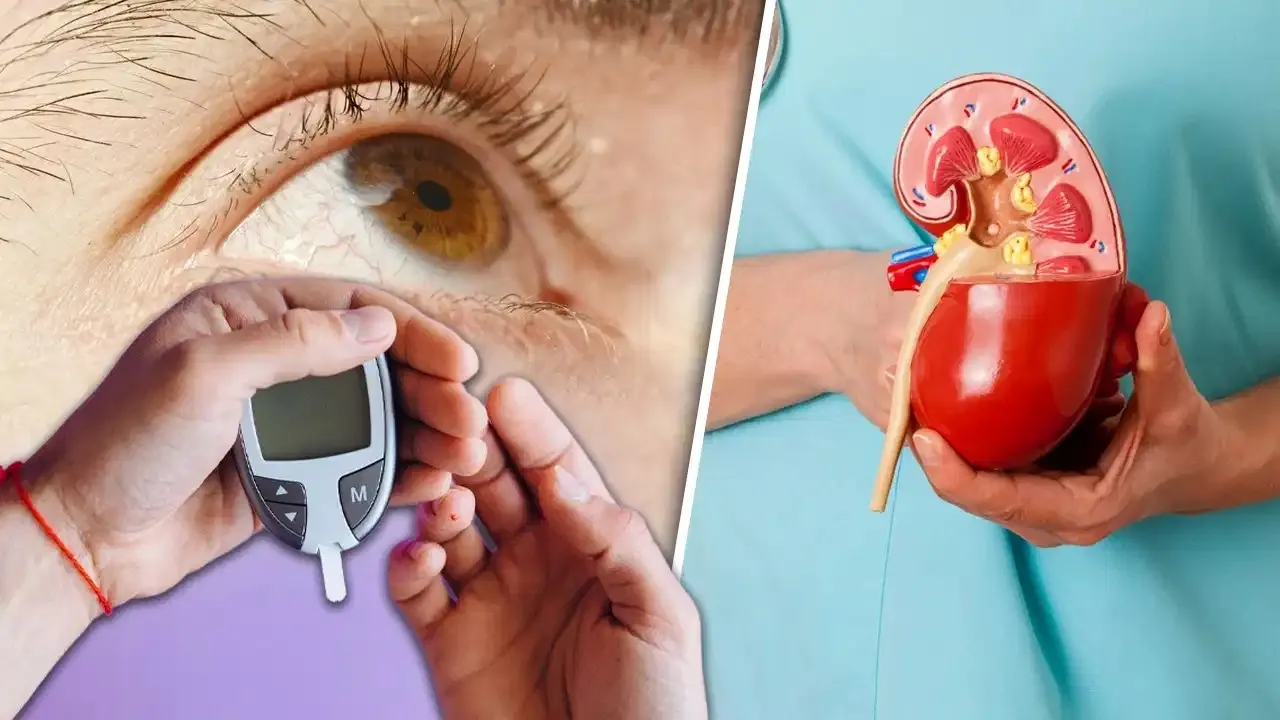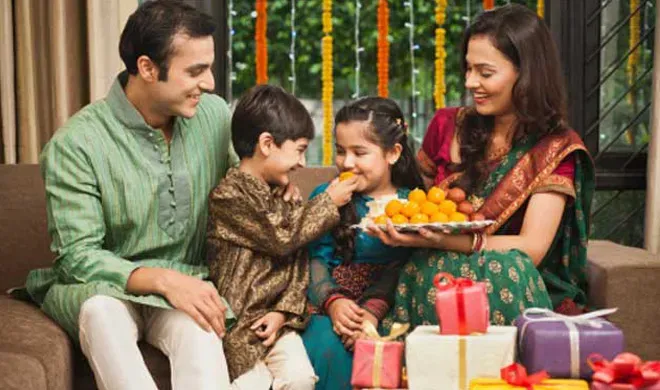
Health Tips: People across the country are engrossed in the festive joy of Diwali. Everyone is celebrating Diwali in their own way. The most special thing about this festival is delicious sweets. Everyone's first choice is jalebi, barfi, gulab jamun, and laddoo. But in such a situation, it becomes quite difficult for people who have diabetes to maintain their proper diet.
The sugar present in sweets increases blood sugar rapidly and it becomes very difficult to control sugar. In such a situation, today we will tell you how you can control your sugar during Diwali. Along with this, we will also tell you what you should eat and what you should not eat during this time.
Doctors explained how to take care of yourself
During festivals, there is a risk of both low or high blood sugar. Especially those people who keep fasts and take insulin or other medicines, have a higher risk of low blood sugar. In such a situation there is a risk of some serious problems occurring. Therefore, doctors advise paying special attention while eating carbohydrate-containing things during festival times. In such situations, protein and fiber-rich things should be taken alongside so that blood sugar does not rise suddenly.
Doctors believe that sugar-free sweets are also not completely safe. Some elements present in them can increase blood sugar. Therefore, diabetes patients must check their blood sugar 2 to 3 times a day.
Eat these things during Diwali
During the festive season, consume foods that digest slowly; this ensures a sustained energy supply for the body and helps keep blood sugar levels stable. Avoid items made from refined flour (maida) and other highly processed ingredients; instead, opt for brown rice, millets, oats, and lentils, as they contain complex carbohydrates. Furthermore, replace packaged savory snacks with healthier alternatives like roasted nuts, seeds, fox nuts (makhana), or chickpeas. Include protein and fiber-rich foods in your diet such as paneer, tofu, curd, and eggs.
Avoid eating these things
During festival times, there is a strong craving to eat sweets; in such cases, limit your intake to just 25 grams of sweets after a meal. Additionally, avoid fried foods like samosas, kachoris, and chaklis. Also, steer clear of sugary drinks, soft drinks, or packaged juices. Opting for whole fruits instead is a much better option.