Often, when the power goes out at home, the inverter becomes our greatest support. But, due to negligence, sometimes when the electricity goes out suddenly, the inverter stops working in just 10 minutes. The biggest reason for this is the drying up of water in the inverter battery or a lack of proper maintenance. A little negligence can ruin your expensive 15 to 20 thousand rupees battery prematurely. Let's know about easy tips regarding the maintenance of inverter battery.
When and How to Check Water
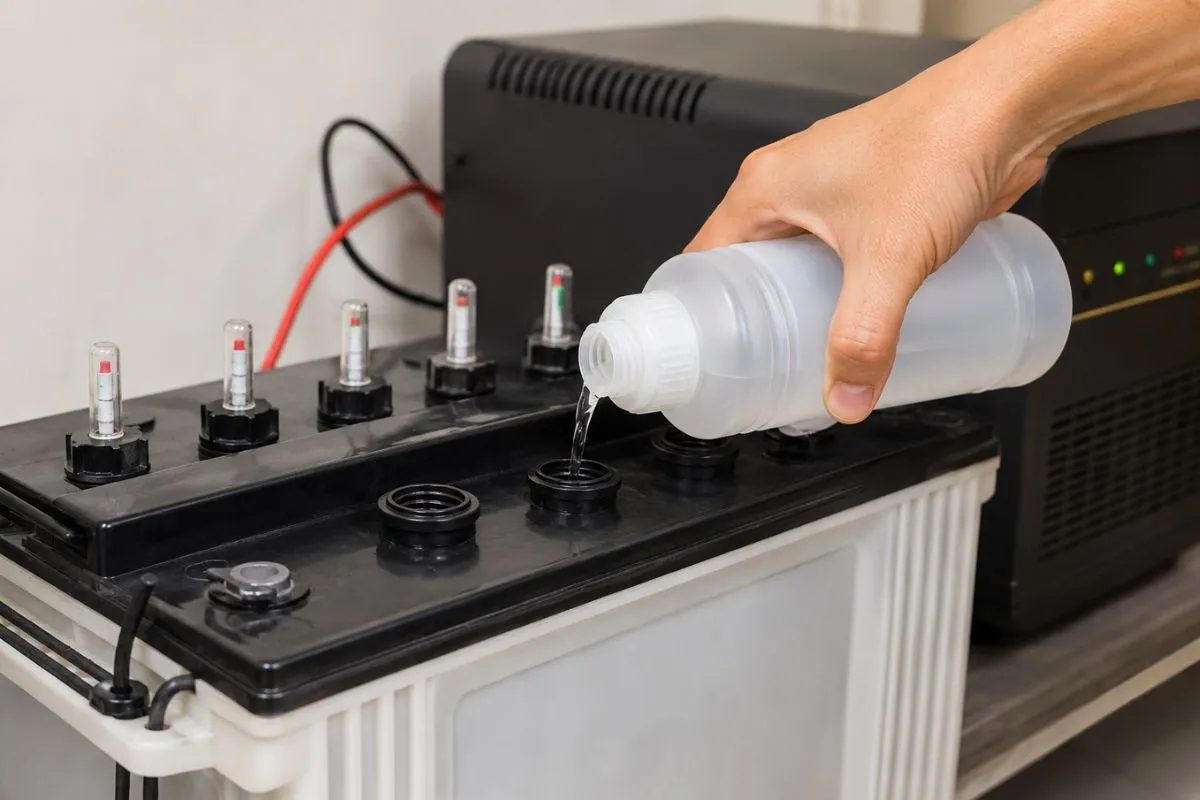
The water level indicator on a battery should be checked every 45 to 60 days. If power outages are frequent in your area or it is the summer season, the water evaporate quickly. In such cases, you should check it every month. Each battery cell is equipped with a transparent float indicator. When the indicator reaches or drops below the red mark, it is time to add water.
How Much Water to Fill is Correct
When filling with water, make sure that the indicator comes only up to the green mark. Do not overfill. If the battery is overfilled, the acid may boil over during charging, which could damage both the battery and the floor.
Do Not Put Tap or RO Water Even by Mistake
Often, people pour tap or RO water from the house when the water level is low. Which completely destroys the battery from the inside. Tap or RO water contains minerals, chlorine, and iron, which accumulate on the battery's lead plates. This disrupts the chemical process, causing the battery to stop providing backup. Always use only distilled water, which is easily available at any battery shop; it is completely pure and free of minerals.
Keep These Special Things in Mind While Adding Water
Always turn off the inverter's main switch and unplug it before adding water.
Clean the top of the battery with a dry cloth before opening the caps to prevent dirt from getting inside.
Do not pour water directly into the battery; always use a plastic funnel.
If carbon has accumulated on the battery terminals, clean it off using hot water and an old brush.