November 17, 2026, Tuesday, marks an important religious occasion as Gopashtami coincides with Masik Durgashtami during the Shukla Paksha Ashtami of the Hindu month of Kartik. Gopashtami is dedicated to the worship and service of cows and is closely associated with Lord Krishna, while Masik Durgashtami is observed in honour of Goddess Durga. According to Hindu religious beliefs, serving Gau Mata, offering food and performing special prayers on this day bring happiness, peace and prosperity to the household. Traditional practices also attach special significance to cow dung and the dust from a cow's hoof. Here are some important rituals devotees can follow on this auspicious occasion.
Why Is Cow Worship Important on Gopashtami?
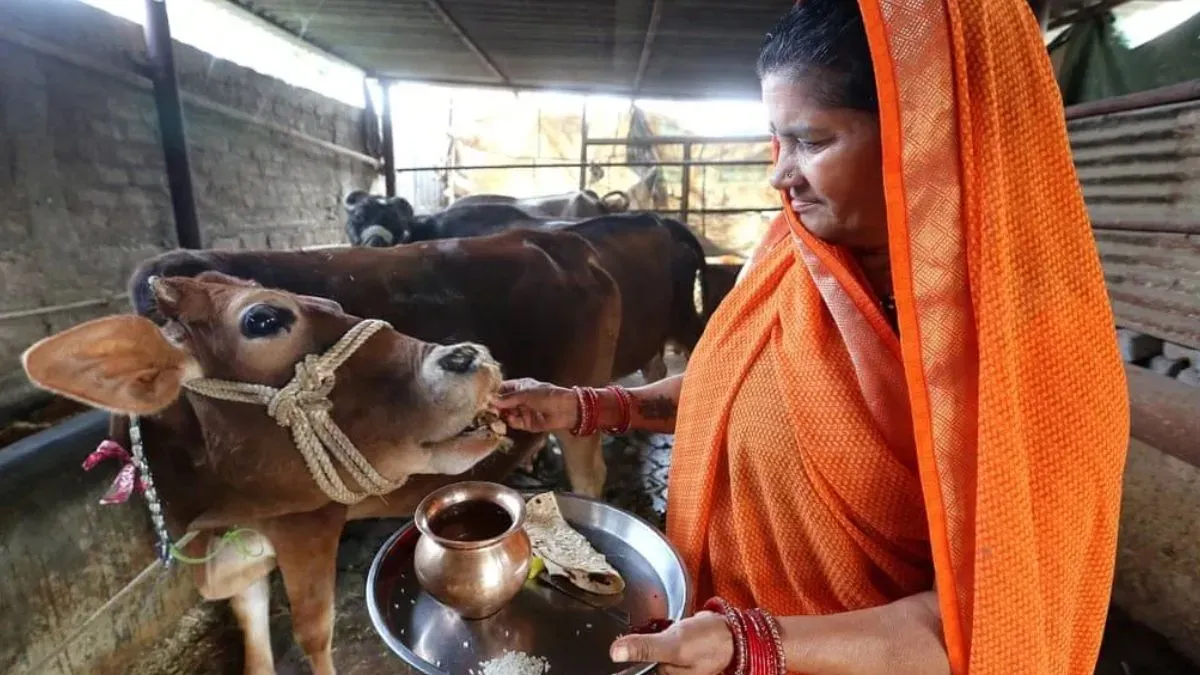
According to Hindu mythology, Gopashtami commemorates the day when Lord Krishna took responsibility for grazing cows after initially looking after calves during his childhood. The festival is therefore associated with his identity as Gopal and symbolises respect for cows. On this day, devotees traditionally bathe early in the morning and worship cows and calves. They decorate them with flowers, colourful cloth and ornaments before offering roli, rice grains, incense and lamps. Feeding cows green fodder, jaggery and other suitable food is also considered an auspicious practice. Devotees believe that serving cows with devotion brings blessings and strengthens the spirit of compassion.
Religious Significance of Soil from a Cow's Hoof
In Hindu traditions, the dust raised by cows while walking is considered sacred, particularly on Gopashtami. According to religious beliefs, applying a small amount of this dust to the forehead symbolises devotion and is associated with good fortune and prosperity. The practice reflects the traditional belief that cows hold a special place in Hindu culture. Devotees who follow this custom should maintain proper hygiene and ensure that the animals are not disturbed or inconvenienced in any way.
Traditional Remedies Associated with Cow Dung and Gau Seva
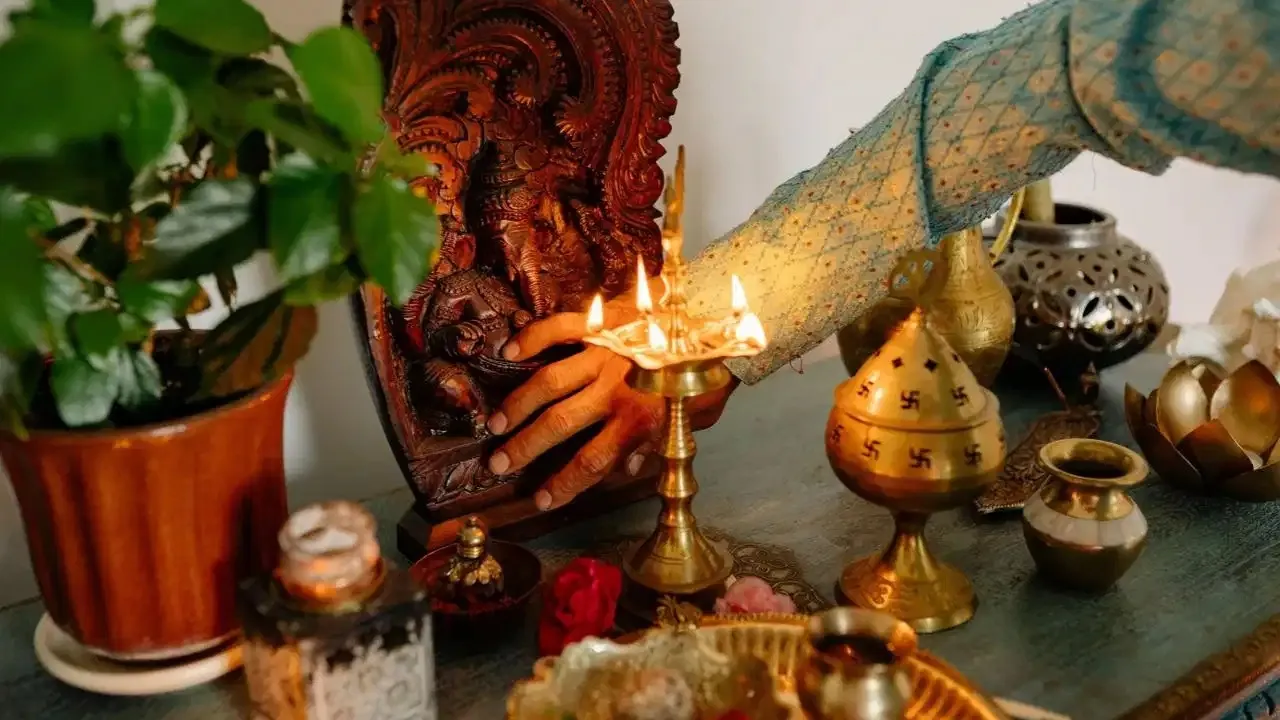
Cow dung has traditionally been regarded as sacred in Hindu religious practices. It is commonly used for purification rituals and certain religious ceremonies. On Gopashtami, devotees may use dried cow-dung cakes for traditional havan rituals or lighting lamps. They can also worship Lord Krishna and Goddess Durga by lighting a ghee lamp at their home temple. Donating food and clothes to needy people and providing fodder to cows at a gaushala are other meaningful activities. These practices highlight the values of kindness, charity and service that are central to the festival.
Worshipping Goddess Durga on Masik Durgashtami
Along with Gopashtami, Masik Durgashtami is also being observed today, making the occasion spiritually significant for devotees. According to Hindu beliefs, worshipping Goddess Durga on this day brings blessings and spiritual strength. Devotees can begin the day with a bath and establish an image or idol of the goddess at their place of worship. Red flowers, a red chunari, rice grains and fruits may be offered during the puja. Reciting the Durga Chalisa or Durga Saptashati is also considered auspicious. Devotees can offer halwa, black chickpeas and puri as bhog and light a ghee lamp in the evening while praying for peace, happiness and prosperity in the family.
Gopashtami and Masik Durgashtami Coincide Today: Follow These Traditional Rituals for Happiness and Prosperity
TheFearless
17 Nov 2026 · 8:04 AM IST
Related Stories