Pneumonia cases can become a major concern during winter, especially after rising air pollution following Diwali. Cold weather and polluted air can affect the lungs and make people more vulnerable to respiratory infections. Health experts warn that pneumonia may initially look like an ordinary cough or cold, but delaying treatment can lead to serious complications. Children and older adults are particularly vulnerable. India records around 4 million cases of community-acquired pneumonia every year, accounting for nearly one-fourth of the global cases.
Pollution Weakens Lung Defences
Experts explain that smoke and fine particles in polluted air can damage the respiratory passages and make it harder for the lungs to remove harmful germs. Pollution can also weaken immune cells that fight bacteria. As temperatures fall, people spend more time indoors, increasing the chances of infections spreading. A common viral infection can sometimes develop into pneumonia, especially among people whose immunity is already weak.
Don't Depend Only on Home Remedies
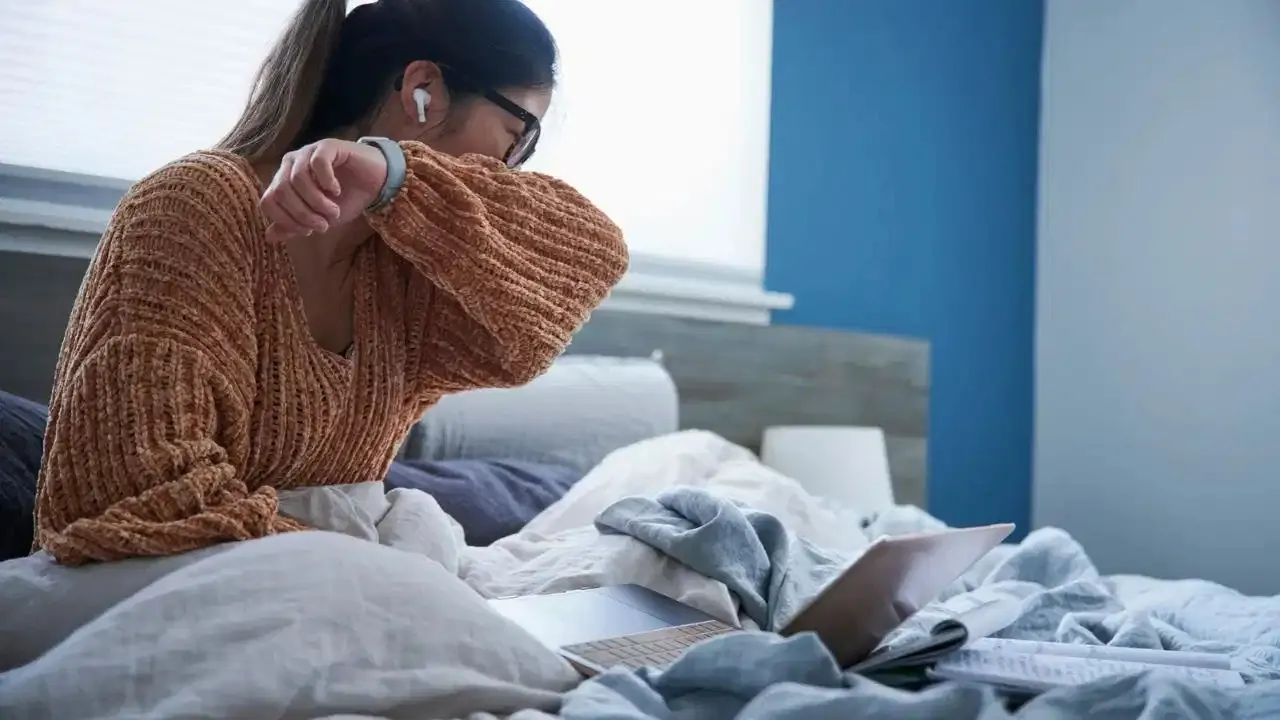
One major concern is that people often mistake pneumonia for a normal seasonal cold. They try ginger tea, steam inhalation or leftover antibiotics instead of seeking medical advice. An expert from Jupiter Hospital, Pune, says some patients approach hospitals only after the infection has spread deeper into their lungs. In severe cases, they may need oxygen support and hospital admission. If a cough continues for more than a week, or comes with fever, breathlessness or chest pain, medical evaluation is important. Leftover antibiotics should not be taken without medical advice.
Who Faces the Highest Risk?
Children below five years, older adults, smokers and people with diabetes, asthma or heart disease are at higher risk of pneumonia. Pregnant women also need special attention. An expert from Nurture IVF explains that pregnancy changes how the immune system functions. As the baby grows, there is also less room for the lungs to expand. Pregnant women may breathe faster and take in more air, increasing their exposure to polluted air. A chest infection during pregnancy can therefore become more serious. Persistent coughing or breathing difficulty should be reported to a healthcare professional promptly.
Simple Steps to Prevent Pneumonia
Experts recommend checking air quality before stepping outside. Avoid morning walks on days when smog levels are very high. A properly fitted N95 mask offers better protection against fine particles than a loose-fitting mask. At home, avoid burning materials that produce smoke. Keep rooms ventilated when outdoor air quality is suitable and consider using an air purifier in the bedroom. Drinking warm fluids and eating a balanced diet can also support overall health.
Vaccination and Early Warning Signs Matter
Influenza and pneumococcal vaccines may not prevent every case, but they can reduce the risk of severe illness, particularly among older adults and people with existing health conditions. Families should closely monitor young children and elderly members. Unusual tiredness, faster-than-normal breathing, reduced food intake or worsening cough should not be ignored. Early medical attention can help identify pneumonia before it becomes severe.