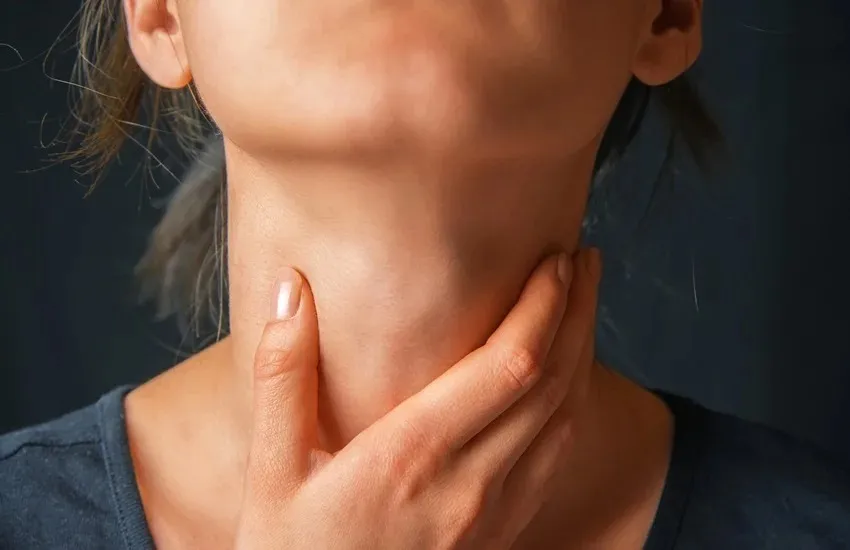
Thyroid problems affect many people, especially women. Changes in thyroid hormone levels can cause weight gain or weight loss, tiredness and hair fall. Along with prescribed medicines, a balanced diet can support overall health. People with thyroid conditions do not need to avoid every food. However, they should pay attention to certain nutrients, food quantities and the timing of their medicines.
Include Iodine-Rich Foods
Iodine plays an important role in producing thyroid hormones. Foods such as iodised salt, milk, curd, eggs and fish can provide iodine. However, consuming too much iodine can also cause thyroid-related problems. People with thyroid conditions should avoid taking iodine supplements without medical advice. Maintaining the right amount is more important than increasing iodine intake unnecessarily.
Eggs, Fish and Dry Fruits
Eggs provide protein and selenium, while fish contains protein, omega-3 fatty acids, selenium and iodine in some varieties. These foods can be included as part of a balanced diet. Almonds and walnuts also provide healthy fats and other nutrients. They can be eaten in moderate quantities. Brazil nuts contain high amounts of selenium, so excessive consumption should be avoided.
Vegetables and Foods to Limit
Cabbage, cauliflower and broccoli contain substances called goitrogens. Eating large quantities of these vegetables, particularly in raw form, may affect iodine absorption. However, people with thyroid problems do not need to avoid them completely. They can eat normal portions after cooking. Soy products such as tofu, soy milk and soybeans also need attention, especially for people taking levothyroxine, as soy can affect the medicine's absorption. Millet-based grains do not need to be completely avoided. It is also advisable to limit chips, packaged snacks, sugary drinks and junk food.
Follow Medicine Timing
People with hypothyroidism who take levothyroxine should generally take it on an empty stomach in the morning. It is usually taken 30 to 60 minutes before breakfast, tea or coffee. Calcium and iron supplements should not be taken alongside thyroid medicine. A gap of at least four hours is generally recommended. Patients should continue their prescribed medicines and blood tests instead of trying to manage the condition through diet alone.
Diet Depends on Thyroid Condition
Dietary needs can differ depending on whether a person has hypothyroidism or hyperthyroidism. The same food rules do not apply to everyone. People should choose their diet according to their health condition and medical advice. A doctor or dietitian can help decide which foods and nutrients are suitable. Food can support overall health, but it cannot replace medical treatment. Iodine or selenium supplements should not be taken without professional advice.