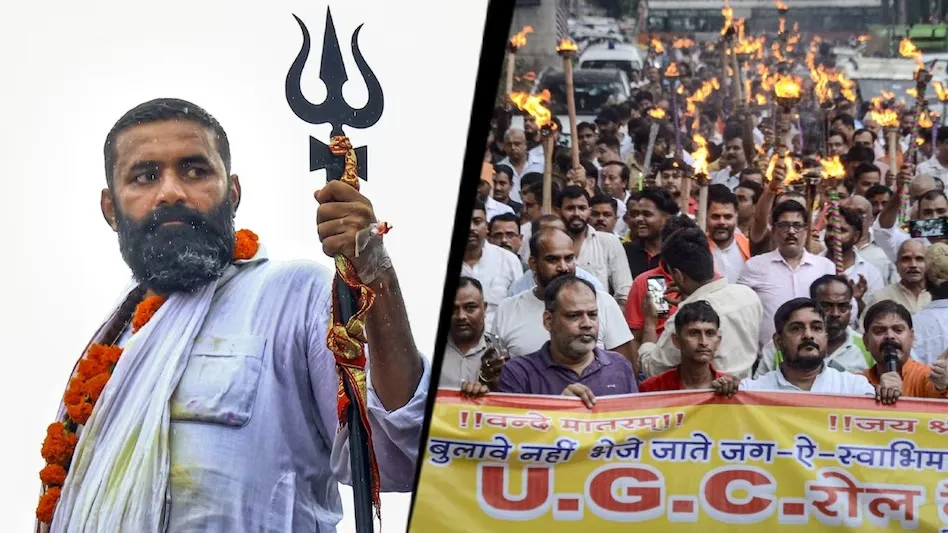
The controversy over the University Grants Commission’s (UGC) Equity Regulations 2026 has moved beyond universities and reached the political arena. The Centre is now considering a committee to review the rules after protests by organisations representing the general category. At the same time, Dalit and OBC groups have raised concerns that putting the regulations on hold could weaken protection against caste-based discrimination on campuses. The government is facing a difficult question: how can every student be protected without making any community feel excluded?
The Payal Tadvi Case
The issue goes back to 2019, when Payal Tadvi, a medical student from the Bhil community in Mumbai, died by suicide. Her family alleged that she had faced caste-based discrimination and harassment at her medical college. Later, her mother, Abeda Salim Tadvi, approached the Supreme Court seeking stronger safeguards against caste discrimination in higher education institutions. The mother of Rohith Vemula, a PhD scholar who died by suicide in 2016, also joined the petition. The case became an important part of the demand for stronger rules to protect students from caste-based harassment.
New Rules in 2026
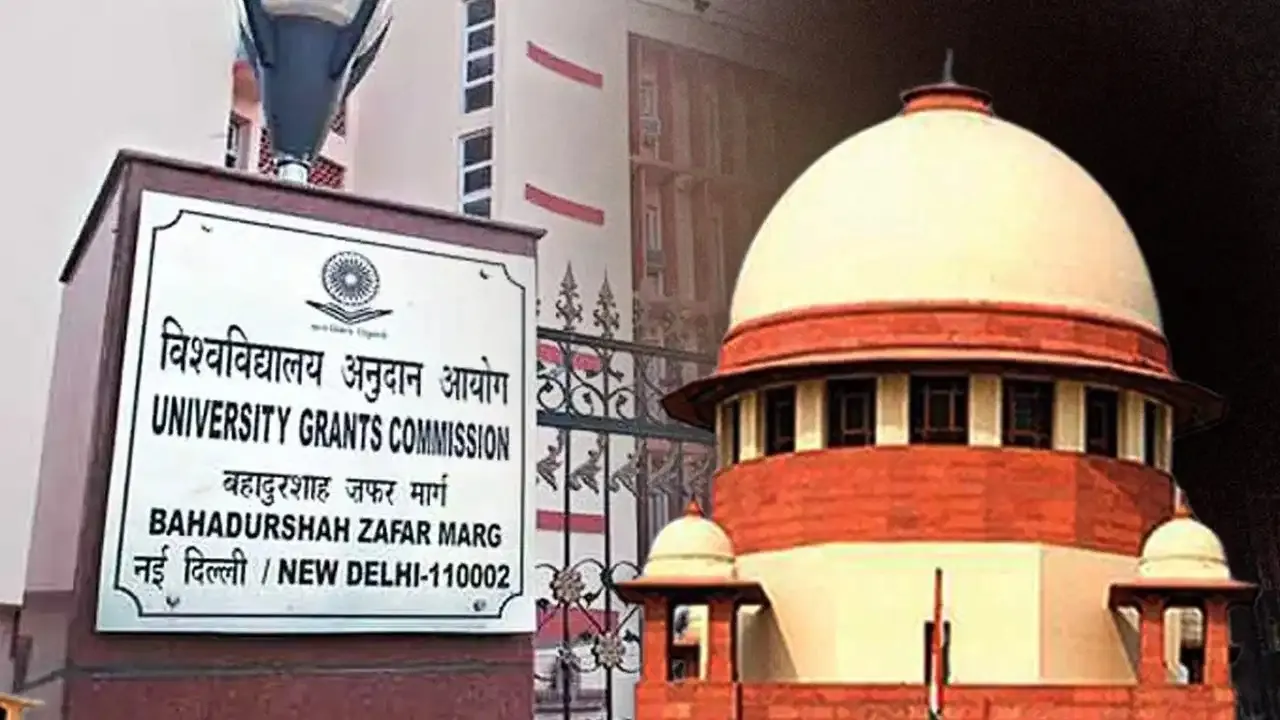
After consultations, the UGC notified the Equity Regulations 2026 on January 13, replacing the 2012 rules. The regulations proposed 24-hour helplines, Equal Opportunity Centres, Equity Squads and Equity Committees in universities and colleges. Institutions failing to follow the rules could face strict action, including withdrawal of recognition or suspension of funding. The UGC said complaints of discrimination against backward classes, Scheduled Castes and Scheduled Tribes had increased by more than 100 per cent between 2020 and 2025. The new framework was intended to strengthen protection for students facing discrimination.
Why the General Category Objected
The biggest objection was to Regulation 3(1)(c), which defined caste-based discrimination with specific reference to SC, ST and OBC communities. General-category petitioners questioned why students from their community were not included in this definition. They argued that discrimination based on caste should receive equal attention regardless of the student’s category. Another concern was that the final rules removed a provision for action against false complaints that appeared in the earlier draft. Questions were also raised about the composition and powers of Equity Committees and Equity Squads, including the representation of general-category students.
What the Supreme Court Said
The Supreme Court stayed the new regulations in January 2026, just 16 days after their notification, and directed that the 2012 rules would continue in the meantime. The court raised questions about the need for separate definitions of discrimination, the possibility of misuse, protection for the most disadvantaged communities and the impact of the rules on constitutional equality. It also questioned provisions related to segregation in classrooms, hostels and mentorship groups. During the November 5 hearing, the Centre told the court it was considering a special committee to review the regulations. The bench led by Chief Justice Surya Kant stressed that every student must be protected. The next hearing has been scheduled after four weeks.
Political Challenge for BJP
The controversy has also created a political challenge for the BJP, particularly ahead of the 2027 Uttar Pradesh Assembly elections. Opposition to the rules among sections of the general category has become a concern for the party, while Dalit and OBC groups want stronger safeguards against campus discrimination. The issue has also been linked to the party’s recent electoral setbacks, although the role of the UGC controversy is being discussed as one possible factor. The BJP is planning outreach among teachers, doctors, lawyers, traders, young voters and other social groups. The Centre’s proposed review may help address some concerns, but changing the rules to satisfy one section could create fresh opposition from another.