Plants make homes look fresh, colourful and inviting. Many people decorate their balconies, gardens and indoor spaces with greenery, choosing plants for their appearance, fragrance and easy maintenance. However, according to traditional Vastu beliefs, certain plants are considered unsuitable for homes. Thorny plants, bonsai trees and dried plants are among those people are advised to avoid. These beliefs are linked to ideas about harmony, prosperity and positive energy. While such claims are based on traditional beliefs rather than established scientific evidence, here are five plants that some Vastu practitioners recommend keeping away from indoor spaces.
Thorny Plants May Symbolise Conflict
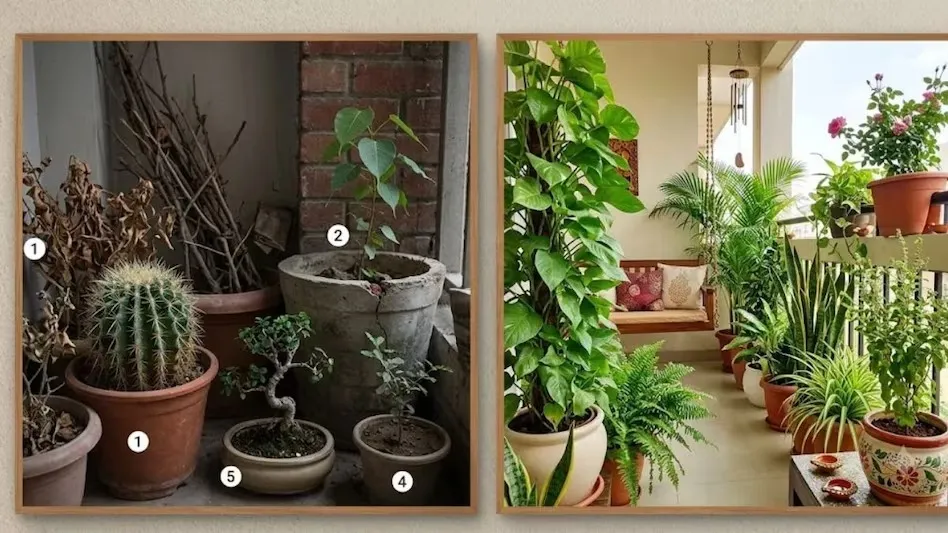
According to some Vastu traditions, cactus, prickly pear and other thorny plants should not be kept inside the house. Their sharp thorns are believed to symbolise tension, disagreements and obstacles in family life. However, beliefs about thorny plants can vary, and roses are treated differently in some traditions. From a practical perspective, cactus and similar plants can be kept safely if they receive suitable sunlight and are placed where their thorns will not injure children, pets or visitors.
Peepal Plant Should Be Kept Away From the House
The Peepal tree holds religious significance in Hindu traditions and is worshipped by many people. However, growing a Peepal tree inside a house is generally discouraged in some Vastu practices. There is also a practical reason to avoid letting it grow near buildings: the tree can become large, and its roots may cause problems if it grows close to foundations or walls. If a Peepal sapling appears unexpectedly near a building, arrange for its safe removal or relocation to a suitable place.
Dried and Withered Plants Should Be Removed
Dried or dying plants are considered unfavourable in some Vastu traditions because they symbolise stagnation rather than growth and freshness. Healthy greenery, by contrast, is often associated with vitality and a pleasant home environment. Regularly check your plants for dry leaves, damaged stems and signs of disease. Adjust watering and sunlight according to each plant’s needs. If a plant has completely dried out and cannot recover, remove it to keep the space clean and well maintained.
Henna Plants and Bonsai Trees
Henna plants are traditionally valued for their use in mehndi and other cultural practices. However, some Vastu beliefs advise against planting henna inside the home or courtyard, associating it with unfavourable energy. Bonsai trees are also discouraged in certain Vastu traditions because their growth is deliberately restricted to maintain their small size. Some practitioners interpret this as a symbol of limited progress. These are traditional interpretations, not scientifically established effects of keeping these plants at home.
Tips for Choosing Plants for Your Home
When selecting plants, consider their sunlight requirements, available space, watering needs and potential impact on walls or plumbing. Remove dead leaves, avoid overwatering and ensure that indoor plants receive suitable light and ventilation. Large trees should be planted at a safe distance from building foundations and underground pipes. People who follow Vastu can choose plants according to their beliefs while also considering practical gardening needs. Ultimately, proper plant care and a suitable location are important for maintaining healthy greenery around the home.