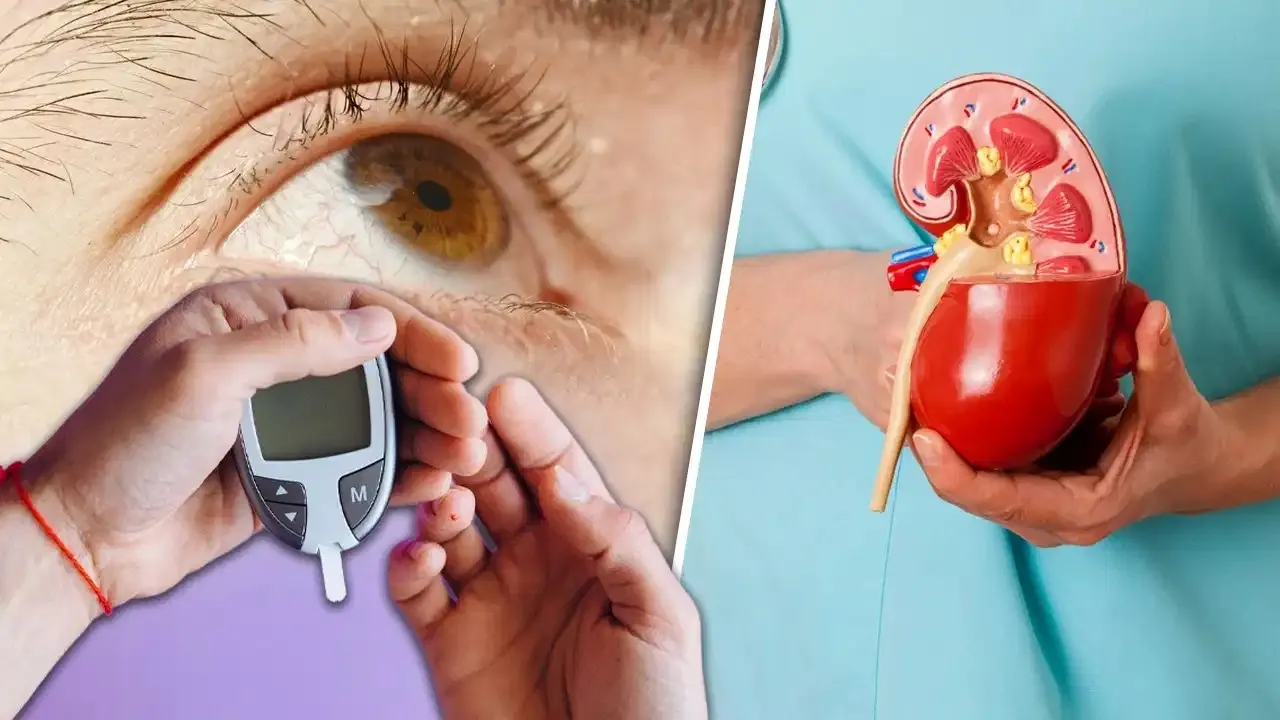
Blood sugar levels naturally rise after eating as the body breaks down food into glucose. However, how quickly these levels increase depends on food choices and physical activity. Experts suggest that a simple 10-minute walk after meals may help manage these post-meal sugar spikes. This habit can be particularly useful for people living with diabetes. Along with a balanced diet and regular exercise, short walks can become an easy part of daily health management.
How Walking Uses Glucose
Experts explain that walking for just 10 minutes after eating can help keep blood sugar levels under control. When a person walks, the muscles become active and start using glucose present in the bloodstream for energy. This can reduce the chances of a sharp rise in blood sugar after meals. The activity is simple and does not require special equipment or a gym.
How Long Should You Walk?
You do not need to walk fast or cover a long distance to get these benefits. A normal-paced walk for 10 to 15 minutes may be helpful. Experts suggest starting the walk within 10 to 20 minutes after finishing a meal. Making this a routine after all three major meals of the day may offer better results. Even people with busy schedules can include these short walks in their daily routine.
Benefits Beyond Blood Sugar
Walking after meals may offer benefits beyond blood sugar management. It can support digestion and help maintain a healthy body weight. Regular physical activity also helps the body use energy more efficiently. For people with diabetes, these small lifestyle changes can support overall health when followed consistently. However, walking alone cannot cure diabetes or replace medical treatment.
Diet and Medicines Still Matter
People with diabetes should continue to pay attention to their diet, exercise routine and prescribed medicines. Post-meal walking should be treated as an additional step in managing the condition, not as a replacement for treatment. A balanced eating plan and regular physical activity remain important parts of diabetes care. Consistency is key to getting long-term benefits from this habit.
Who Should Take Extra Care?
People who use insulin or blood sugar-lowering medicines should consider their health condition before starting a new walking routine. Physical activity can affect blood glucose levels, so they should follow advice from a healthcare expert. The duration and pace of walking may need to be adjusted according to individual needs. A regular 10-minute walk after meals can be a useful habit, but diabetes management requires a combination of healthy food, exercise and appropriate medication.