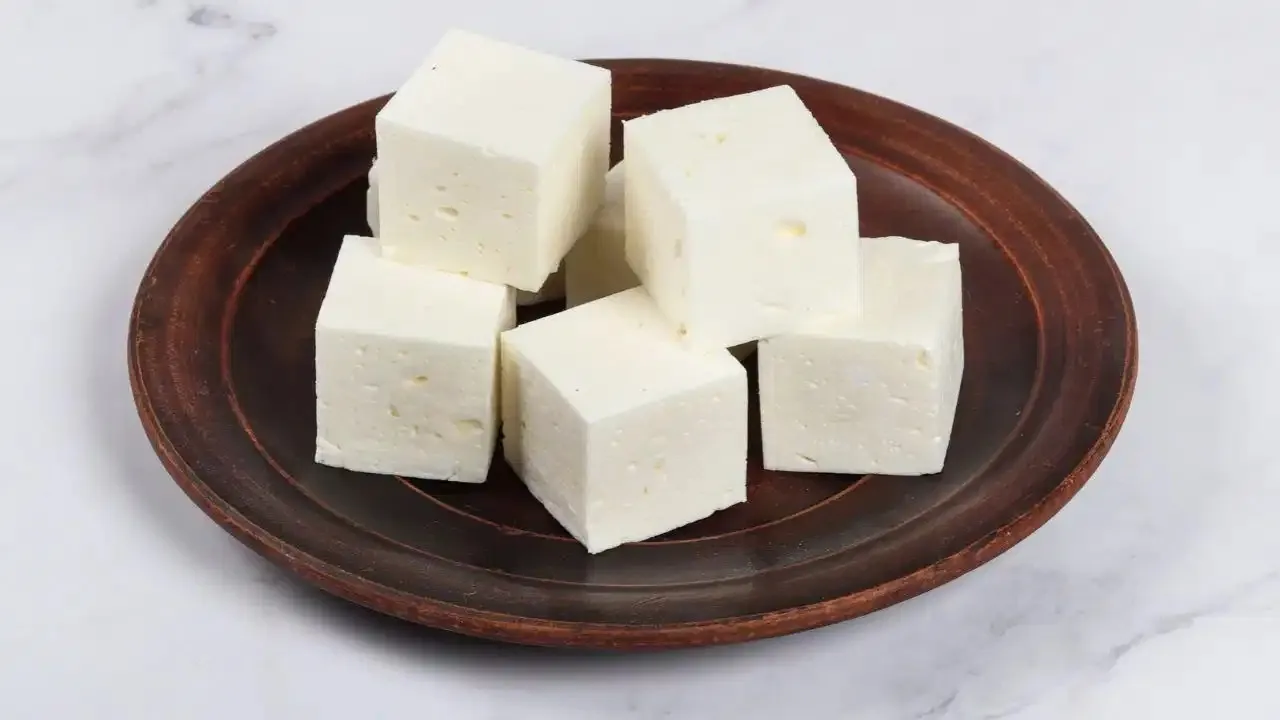
Paneer is widely consumed because it is a good source of protein and other nutrients. However, another product called analog paneer is increasingly being sold in the market. It looks and feels similar to regular paneer but is made using ingredients other than milk, or with very little milk. Its lower price and longer shelf life make it attractive to some hotels and food vendors. The main concern is that it may contain less protein and fewer nutrients than traditional dairy paneer.
What Goes Into Analog Paneer?
Analog paneer is generally made using cheaper vegetable oils, particularly palm oil, instead of milk fat. Starch is added to give it a white colour and a paneer-like texture. Some manufacturers may also use small quantities of milk powder for flavour. Emulsifiers and stabilisers help create a smooth consistency. Other protein sources may also be added, depending on the product. The ingredients can vary, which means the nutritional value of analog paneer may differ from one product to another.
How Is It Manufactured?
The preparation process usually involves mixing vegetable oil, water and milk powder to create a smooth mixture. This mixture is heated, after which starch and emulsifiers are added. Once it reaches a particular temperature, ingredients such as citric acid may be used to create a curd-like texture. The mixture is then pressed into blocks that resemble regular paneer. Since the process does not depend on traditional milk coagulation, the final product can have a different nutritional composition from dairy paneer.
How to Identify the Difference
Analog paneer can be difficult to identify because it looks similar to regular paneer. However, some differences may be noticeable. Real paneer is generally soft and becomes slightly grainy before turning smooth when pressed or mashed. Analog paneer may feel unusually rubbery, stretchy, smooth or shiny. It is also sometimes sold at a much lower price. However, appearance and texture alone cannot confirm whether a product is genuine. Checking the ingredients, label and food safety information is a more reliable approach.
Possible Health Risks
The nutritional quality of analog paneer depends on the ingredients used. Products containing high amounts of starch and certain vegetable fats may provide less protein than traditional paneer. Frequent consumption of products high in unhealthy fats and calories can contribute to weight gain and increase heart health risks. Some people may also experience digestive discomfort. However, the health impact depends on the product's actual composition and how much is consumed.
Why Consumers Should Be Careful
Consumers should check food labels before buying paneer and look for clear information about its ingredients and nutritional value. A product made mainly from vegetable oil and starch should not be treated as nutritionally equivalent to dairy paneer. The presence of starch can sometimes be checked through laboratory testing, while simple home tests such as iodine testing are not reliable enough to confirm adulteration on their own. Choosing properly labelled products from trusted sellers is a safer way to ensure that the paneer being purchased matches its description.