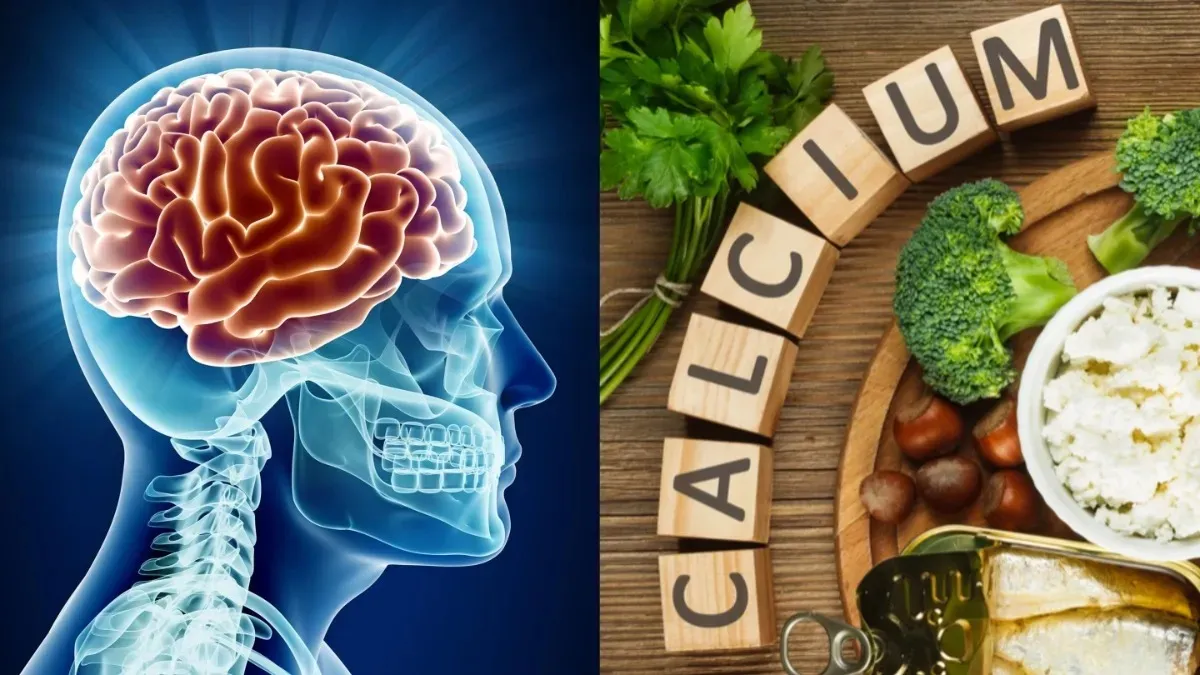
Calcium is an essential mineral that helps keep bones and teeth strong. It also plays an important role in proper muscle movement and nerve function. A lack of calcium over a long period can reduce bone strength and increase the risk of conditions such as osteoporosis. In this condition, bones become weak and more likely to fracture. Including calcium-rich foods in your daily diet can help maintain bone health and meet the body's nutritional needs.
Common Signs of Calcium Deficiency
Calcium deficiency can cause symptoms such as muscle cramps, tingling sensations in the hands and feet, and tiredness. If the deficiency continues for a long time, it may affect bone strength. In children, inadequate calcium can also affect the development of bones and teeth. However, back pain, knee pain or night sweats alone do not confirm calcium deficiency. These problems can have several other causes, so it is important to consult an expert for proper evaluation.
Milk, Curd and Paneer for Strong Bones
Milk and dairy products are among the most common sources of calcium. Milk, curd and paneer can be included in everyday meals to support bone health. They provide calcium that helps maintain strong bones and teeth. People who have difficulty digesting milk can consider curd or other suitable alternatives. The right choice depends on individual dietary needs and tolerance.
Sesame Seeds and Ragi Are Excellent Options
Sesame seeds are a good source of calcium and can be added to laddoos, chutneys and salads. Combining sesame seeds with jaggery can also provide iron, although jaggery should be consumed in moderation. Ragi is another calcium-rich food that can easily become part of daily meals. It can be used to prepare porridge, dosa, idli and roti. Including these traditional foods in a balanced diet can help improve calcium intake.
Green Vegetables and Small Fish
Certain green leafy vegetables also provide calcium. Mustard greens, bathua and other suitable leafy vegetables can be included in regular meals. Small fish that are eaten with their bones are another useful source of calcium. This can be a good option for people who include fish in their diet. Eating a variety of nutritious foods helps the body receive calcium along with other essential vitamins and minerals.
Soybean and Tofu for Additional Calcium
Soybeans, tofu and calcium-fortified soy milk can also help increase calcium intake. Tofu can be particularly beneficial when it is prepared using calcium-based ingredients. Soy products also provide other nutrients that support overall health. However, meat or chicken bone broth should not be treated as a reliable source of calcium. Along with a balanced diet, adequate vitamin D and regular physical activity are important for maintaining strong bones.