Kidney stones and urinary tract infections (UTIs) can cause similar symptoms, especially a burning sensation while passing urine. This often makes it difficult to identify the actual problem. According to experts, both conditions can sometimes be connected. An infection that reaches the kidneys can affect urinary health, while a kidney stone that blocks the flow of urine can increase the risk of infection. However, their causes, symptoms and treatment requirements are different.
What Causes Kidney Stones and UTIs?
Kidney stones are commonly linked to lifestyle habits, particularly diet, inadequate water intake and the accumulation of minerals in the kidneys. UTIs, on the other hand, are usually caused by bacteria entering the urinary tract. E. coli is one of the most common bacteria responsible for these infections. It generally travels from the intestines into the urinary tract and causes infection. Understanding the symptoms can help people recognise when they may need medical attention.
Kidney Stone Symptoms Depend on Stone Location
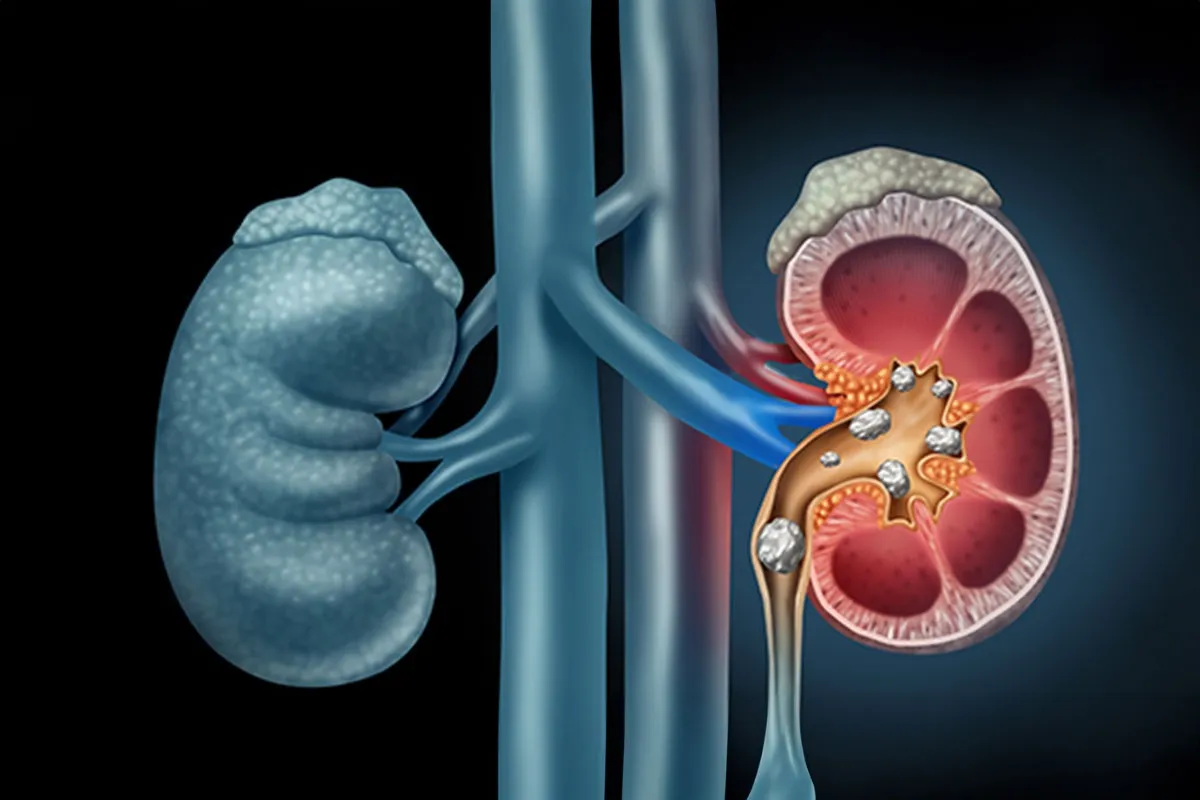
Dr Jitendra Kumar, Chairman of Renal Science and Transplant Medicine at Accord Hospital, explains that kidney stones can cause pain along with a burning sensation during urination. When a stone remains inside the kidney, pain is generally felt on either side of the spine, in an area known as the flank. If the stone moves into the ureter, the pain may travel from the back towards the lower abdomen and groin. When it reaches the lower part of the ureter, pain and burning may be felt in the lower abdomen. The location and movement of the stone influence the pain pattern.
How to Identify a Urinary Tract Infection
UTI symptoms depend on which part of the urinary tract is affected. If the infection involves the urethra, a person may experience burning while passing urine. When the infection reaches the urinary bladder, it can cause pain and tenderness in the lower abdomen, along with burning urination and fever. If the infection spreads to the kidneys, it can cause a condition called pyelonephritis. Symptoms may include pain around the kidneys, back pain on either side of the spine and high fever. This can be a serious condition requiring prompt medical attention.
Tips to Prevent Kidney Stones
Drinking around eight to ten glasses of water daily can help reduce the risk of mineral deposits forming in the kidneys. Limiting salt intake is also important because excessive sodium can increase the risk of certain types of kidney stones. Maintaining a healthy weight, staying physically active and following a balanced diet can further support kidney health. People with a family history of kidney stones should discuss appropriate screening with an expert. Certain medicines may also increase stone risk, so medications should be taken under medical guidance.
Ways to Reduce the Risk of UTIs
Adequate water intake is important for maintaining urinary health. People should avoid holding urine for long periods and should use the toilet whenever they feel the need. Maintaining proper intimate hygiene and keeping the area dry can also help. Comfortable cotton underwear is preferable to very tight clothing. A balanced diet, including probiotic foods, may support overall health. If symptoms such as burning urination, fever or persistent pain develop, medical evaluation is important because kidney stones and UTIs require different approaches to treatment.