Delhi Air Pollution: Delhi is witnessing a fresh deterioration in air quality as temperatures begin to fall across the national capital. Rising pollution levels, combined with cooler weather and stagnant atmospheric conditions, have created an alarming situation for residents. On Friday, November 6, several monitoring stations recorded Air Quality Index (AQI) levels above 400, placing them in the severe category. Rohini and IIT Delhi emerged as the most polluted locations, recording AQI levels of 472 and 467, respectively. According to data available at 5 am, Delhi's average AQI stood at 385, raising fresh concerns about public health ahead of Diwali celebrations.
Several Delhi Areas Record AQI Above 400
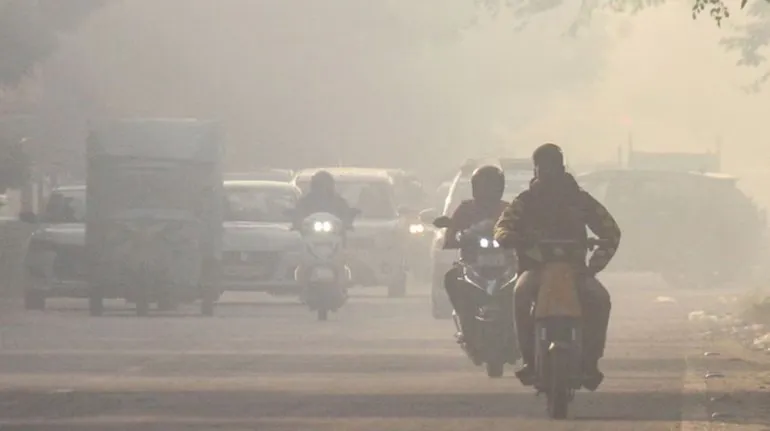
Pollution levels have reached alarming levels across multiple parts of the national capital. According to monitoring data from the Central Pollution Control Board (CPCB), Rohini recorded an AQI of 472, while IIT Delhi registered 467. Punjabi Bagh reported 462, Jahangirpuri 460, DTU 453 and RK Puram 439. Other areas, including Mundka and Narela, also continued to experience extremely poor air quality. These figures indicate that toxic air is not limited to a particular neighbourhood but has affected large parts of Delhi. Residents have reported increasing discomfort as a layer of haze and smog continues to affect visibility and outdoor activities.
Air Quality Deteriorates for Four Consecutive Days
Delhi's pollution situation has been worsening over the past few days. According to CPCB's 24-hour average readings recorded at 4 pm, the city's AQI stood at 369 on Thursday, placing it in the very poor category. The AQI was recorded at 324 on Monday, 350 on Tuesday and 377 on Wednesday. The continuous rise in pollution has resulted in a visible layer of haze across several parts of the city. Experts attribute the deteriorating conditions partly to low wind speeds, which prevent pollutants from dispersing and allow harmful particles to accumulate near the surface. Morning hours have become particularly uncomfortable for residents.
Stubble Burning and Vehicle Emissions Add to Pollution
Several factors are contributing to Delhi's worsening air quality. These include vehicular emissions, industrial pollution, construction dust and stubble burning in neighbouring states. According to pollution forecasting estimates, stubble burning contributed approximately 15.6% to Delhi's PM2.5 pollution on Thursday, with its share projected to increase to 19.2% on Friday. Vehicle emissions are also expected to remain a significant contributor. The situation becomes more challenging when atmospheric conditions remain unfavourable. Low wind speeds and cooler temperatures can restrict the movement of pollutants, resulting in prolonged exposure to harmful airborne particles.
Severe Pollution May Continue Ahead of Diwali
According to forecasts issued by the Air Quality Early Warning System, Delhi's air quality could enter the severe category between Friday and Sunday. Pollution levels are expected to fluctuate between very poor and severe during the coming days. Health experts advise children, elderly people, pregnant women and individuals suffering from respiratory problems to take extra precautions. Residents should avoid unnecessary outdoor activities, particularly during early morning and late evening hours. Wearing a well-fitted protective mask when stepping outside may also help reduce exposure to polluted air. With Diwali approaching, rising pollution levels have emerged as a major challenge for the Delhi administration and a serious concern for public health.
Delhi Air Pollution: Toxic Smog Worsens as Temperatures Drop, Rohini and IIT Delhi Record Highest AQI
TheFearless
6 Nov 2026 · 7:36 AM IST
Related Stories