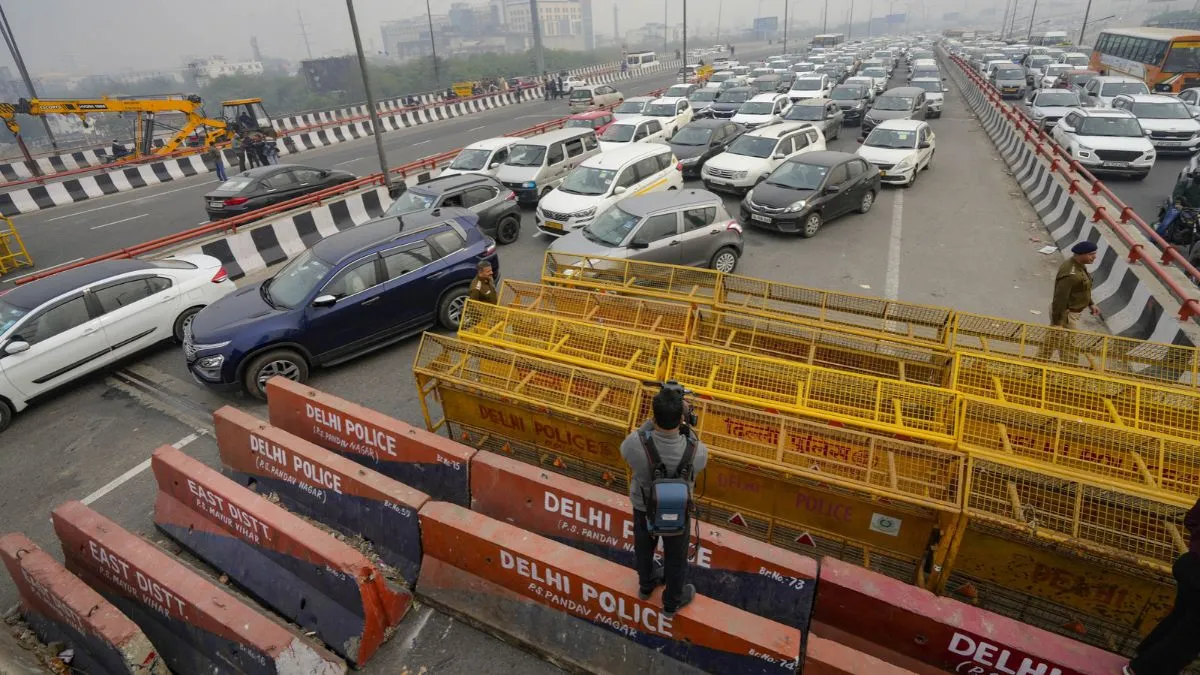
Delhi NCR Pollution Rules 2026 : Several major changes are set to take effect in Delhi-NCR from November 1 to control rising pollution during the winter season. These measures will directly affect vehicle owners, working professionals and businesspeople travelling to and from Delhi. Under the winter action plan, restrictions will be imposed on the entry of non-BS6 vehicles from outside Delhi, fuel will be denied to vehicles without valid Pollution Under Control (PUC) certificates, and parking charges will be increased. Additionally, government and private offices have been advised to allow 50% of their employees to work from home. Toll and Environmental Compensation Charges will also be collected through FASTag at major entry points into Delhi.
Entry Restrictions on Older Vehicles
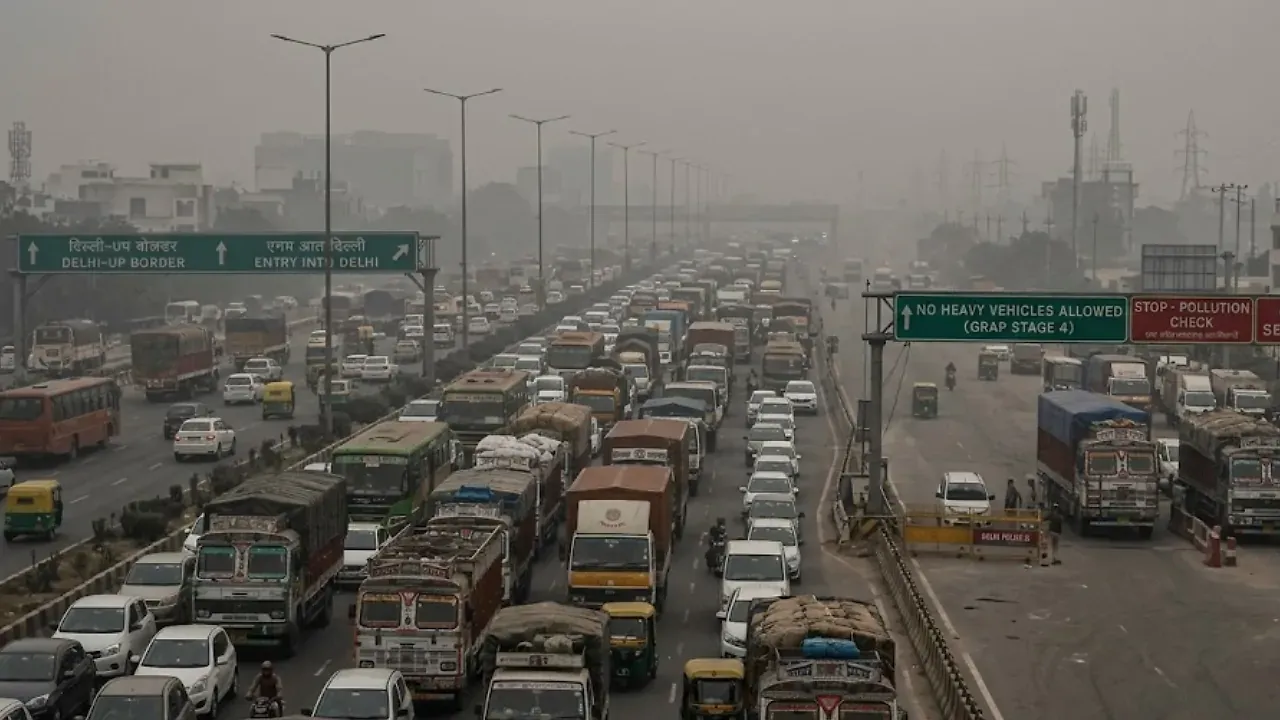
From November 1, restrictions will apply to non-BS6 vehicles entering Delhi from other states. Under this rule, only BS6-compliant vehicles, along with electric and CNG vehicles, will be allowed to enter. Vehicles associated with emergency services will be exempt. According to reports, the restrictions could affect approximately 8 lakh vehicles coming from outside Delhi-NCR. Older vehicles, such as BS3 petrol and BS4 diesel vehicles, could face fines of up to Rs 20,000 if they enter Delhi in violation of the rules. The restrictions are reportedly scheduled to remain in force from November 1 to January 31.
https://twitter.com/ANI/status/2116367003749626083
No Petrol or Diesel Without Valid PUC
Delhi will also implement its 'No PUC, No Fuel' policy from November 1. Under this policy, vehicles without a valid Pollution Under Control (PUC) certificate may be denied petrol, diesel and CNG. To enforce the rule, ANPR cameras have been installed at approximately 500 petrol pumps across the capital. These cameras will scan vehicle number plates and verify PUC certificate validity through the relevant database. Vehicles with expired or unavailable certificates will not be provided fuel. Additionally, driving without a valid PUC certificate could attract a fine of up to Rs 10,000.
Parking Charges and Office Timings to Change
Authorities are also attempting to reduce the use of private vehicles to control pollution. Parking charges will be doubled at approximately 150 municipal parking facilities across Delhi. The impact could be particularly noticeable in prominent areas such as Lutyens' Delhi. Meanwhile, government and private offices have been advised to allow 50% of their employees to work from home. Government departments will also follow staggered opening and closing timings to reduce traffic congestion during morning and evening peak hours.
FASTag System at 20 Major Entry Points
The system for collecting tolls and Environmental Compensation Charges (ECC) from commercial vehicles in Delhi is also set to change. A Multi-Lane Free Flow system will be introduced at 20 major entry points. Under this arrangement, vehicles will not need to stop at toll plazas. ANPR cameras and RFID technology will scan vehicle number plates and FASTag details to automatically deduct the applicable charges. The system will be introduced at entry routes such as Ghazipur, Singhu, Tikri, Badarpur, DND Flyway and Aya Nagar. It is claimed that charges will be deducted automatically even for vehicles travelling at speeds of up to 100 kilometres per hour.
Cheaper Annual Toll Passes for Local Residents
The National Highways Authority of India (NHAI) has also announced a discounted annual pass facility for people living near toll plazas, starting November 1. Under this arrangement, an annual pass for toll plazas located outside municipal or local urban limits will be available for Rs 1,500. For toll plazas situated within municipal or local urban limits, an annual pass can be obtained for Rs 3,000. These measures aim to regulate vehicle movement and control the pollution problem in Delhi-NCR during the winter months.