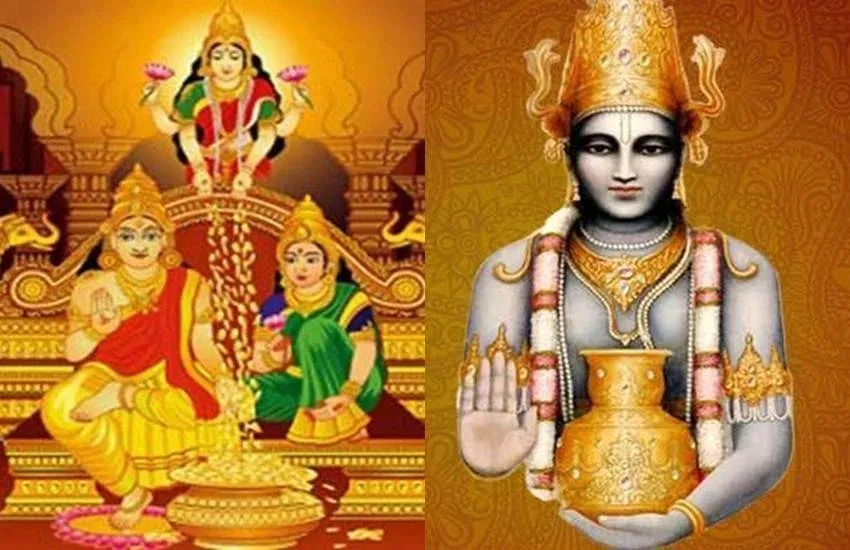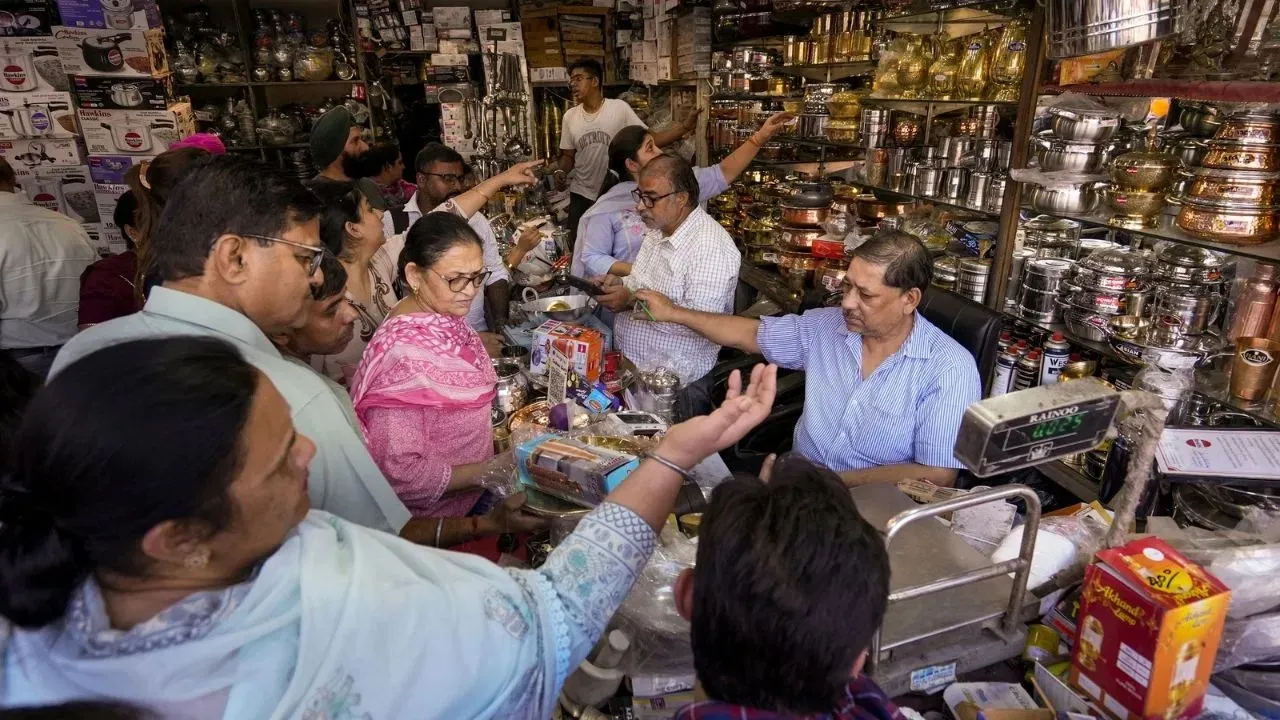
Dhanteras is considered an important Hindu festival associated with wealth, good health and prosperity. On this day, many families buy gold, silver, utensils and other auspicious items. However, a traditional belief says that newly purchased utensils should not be brought home empty. According to religious beliefs, filling a new utensil before bringing it home symbolises abundance, happiness and prosperity. The tradition is linked to the story of Lord Dhanvantari, who is believed to have appeared during the Samudra Manthan carrying a pot of amrit, or nectar of immortality.
Water Is a Symbol of Life and Purity
Water is one of the most common things people choose to fill their newly purchased utensils with on Dhanteras. It is traditionally associated with life, purity and positive energy. According to the belief, bringing home a utensil filled with water represents completeness and the wish for well-being in the family. People can follow this custom according to their family traditions and personal preferences. There is no universal religious rule requiring everyone to fill their utensils with a particular item.
Rice Represents Prosperity and Good Fortune
Rice, also known as akshat in Hindu worship, holds an important place in many religious rituals. It is traditionally associated with auspicious beginnings, abundance and prosperity. Some families therefore place rice in newly purchased utensils before bringing them home on Dhanteras. The practice symbolises the wish that the household should always have enough food and resources. Rice is also commonly used in Hindu prayers and ceremonies as an offering.
Sugar, Milk and Jaggery Symbolise Sweetness
Sugar, milk and jaggery are other items that some families use to fill new utensils on Dhanteras. Sugar and jaggery symbolise sweetness, while milk is traditionally associated with purity and auspiciousness. These items represent hopes for happiness, harmony and affection among family members. Some households also choose wheat or other grains, which are linked to food, nourishment and abundance. The choice often depends on regional customs and family traditions.
The Story of Lord Dhanvantari and the Nectar Pot
According to Hindu mythology, the gods and demons performed the Samudra Manthan to obtain amrit. During this process, several divine treasures emerged, including Lord Dhanvantari, who is associated with Ayurveda and good health. Religious tradition describes him appearing with a pot filled with amrit. This story is closely linked to Dhanteras and the custom of purchasing utensils on the occasion. The pot is seen as a symbol of life, health and completeness, inspiring the belief that newly purchased utensils should be brought home filled rather than empty.
Dhanteras 2026 Date and Puja Timings
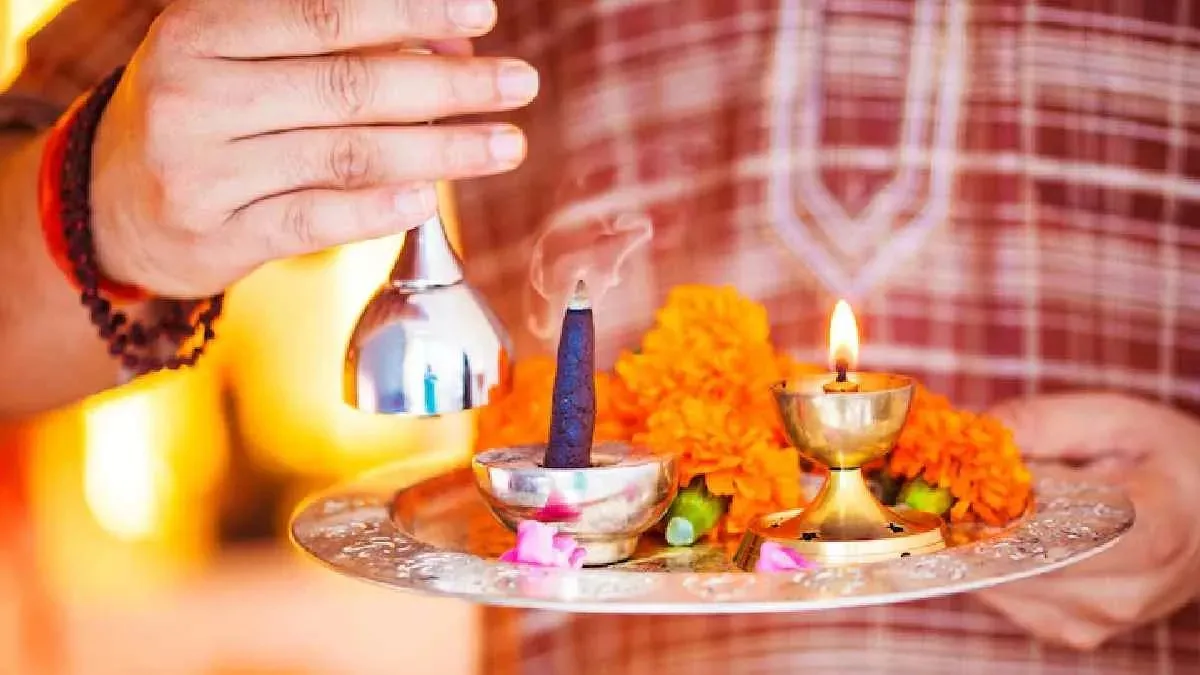
According to the panchang details provided in the report, Dhanteras will be celebrated on Friday, November 6, 2026. The Trayodashi tithi is scheduled to begin at 10:30 am on November 6 and end at 10:47 am on November 7. The reported auspicious puja time is from 6:02 pm to 7:57 pm on November 6. The Pradosh period is listed as 5:33 pm to 8:09 pm, while Vrishabha Kaal is also given as 6:02 pm to 7:57 pm.