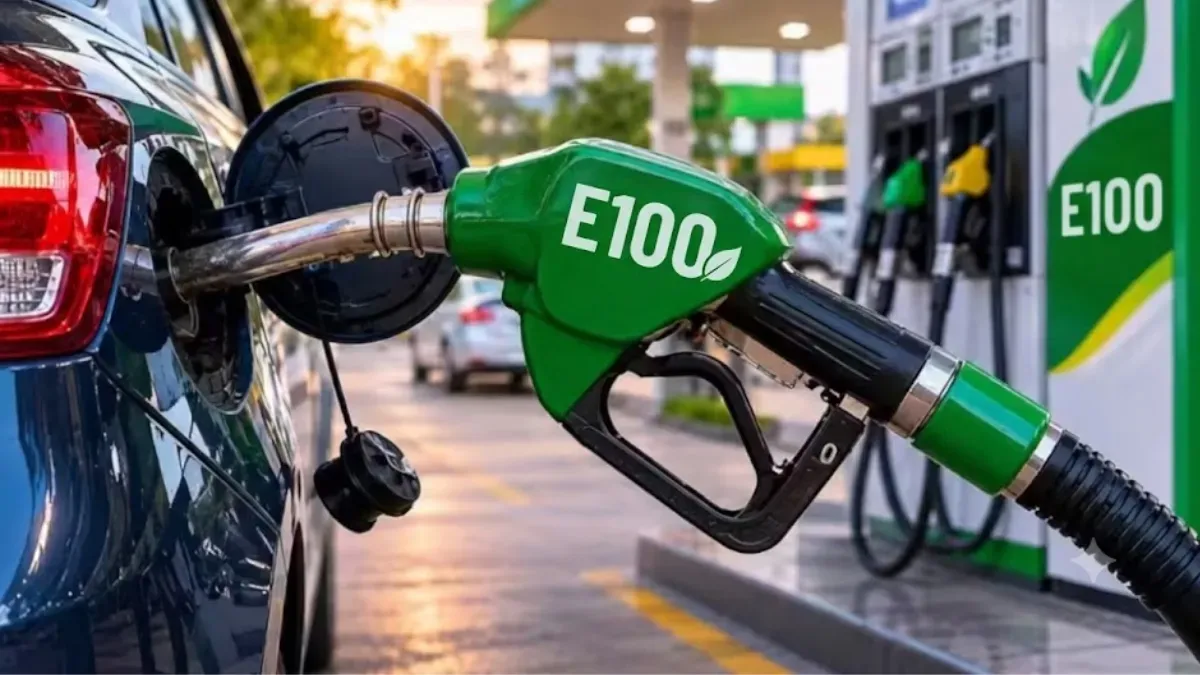
E100 Fuel Safety : The Indian government is promoting ethanol-blended fuels to reduce dependence on petrol and control pollution. As a result, the country first introduced E20 petrol, and now E100 fuel is also attracting attention. E100 contains nearly 100% ethanol. This has raised questions among motorists about whether it can be used in regular petrol cars. The answer is no. Using E100 in vehicles not designed for it can damage the engine and several essential components.
Regular Car Components Could Get Damaged
Ethanol absorbs moisture from the air. Prolonged exposure can damage certain metals and other vehicle components. Regular petrol cars use parts such as fuel pipes, rubber seals, and gaskets. These components are not designed to withstand pure ethanol. Using E100 continuously in such vehicles can cause metal parts to corrode and rubber components to deteriorate. It can also increase the risk of fuel pipe leakage. Such problems can affect not only the car's engine but also passenger safety.
Fuel Pumps and Injectors May Also Fail
A car's fuel pump transports petrol from the tank to the engine, while fuel injectors deliver the required amount of fuel into the engine. In regular petrol cars, both components are designed to work with petrol or specified ethanol blends. Using E100 can cause the fuel pump to wear out prematurely. Ethanol can also loosen dirt and deposits accumulated inside older fuel tanks. This debris may get trapped in the fuel filter and injectors, restricting fuel supply to the engine. As a result, the engine may struggle to run, and the car could even stall while driving.
Engine Power and Mileage Could Decline
Ethanol contains less energy than petrol. This means an engine requires more ethanol to produce the same amount of power that it gets from petrol. The engine in a regular petrol car is designed to maintain the correct air-fuel mixture for petrol. However, using E100 can disrupt this balance. Consequently, the car may experience starting problems, reduced acceleration, and a significant drop in fuel efficiency.
Flex-Fuel Cars Feature Special Technology
Automobile manufacturers develop special flex-fuel engines for using fuels such as E100. These vehicles are equipped with fuel tanks, pipes, and seals that can withstand pure ethanol. They also have specialised sensors that detect the ethanol content in the fuel. The vehicle's computer then automatically adjusts the engine settings accordingly. Therefore, E100 should only be used in vehicles specifically designed and approved by the manufacturer for this fuel. Avoid using it in regular petrol cars. Always check your vehicle's owner's manual or contact the manufacturer to confirm which type of fuel is suitable.
E100 Fuel Can Damage Your Car, Check Which Vehicles Can Use It Safely
TheFearless
31 Oct 2026 · 1:16 PM IST
Related Stories