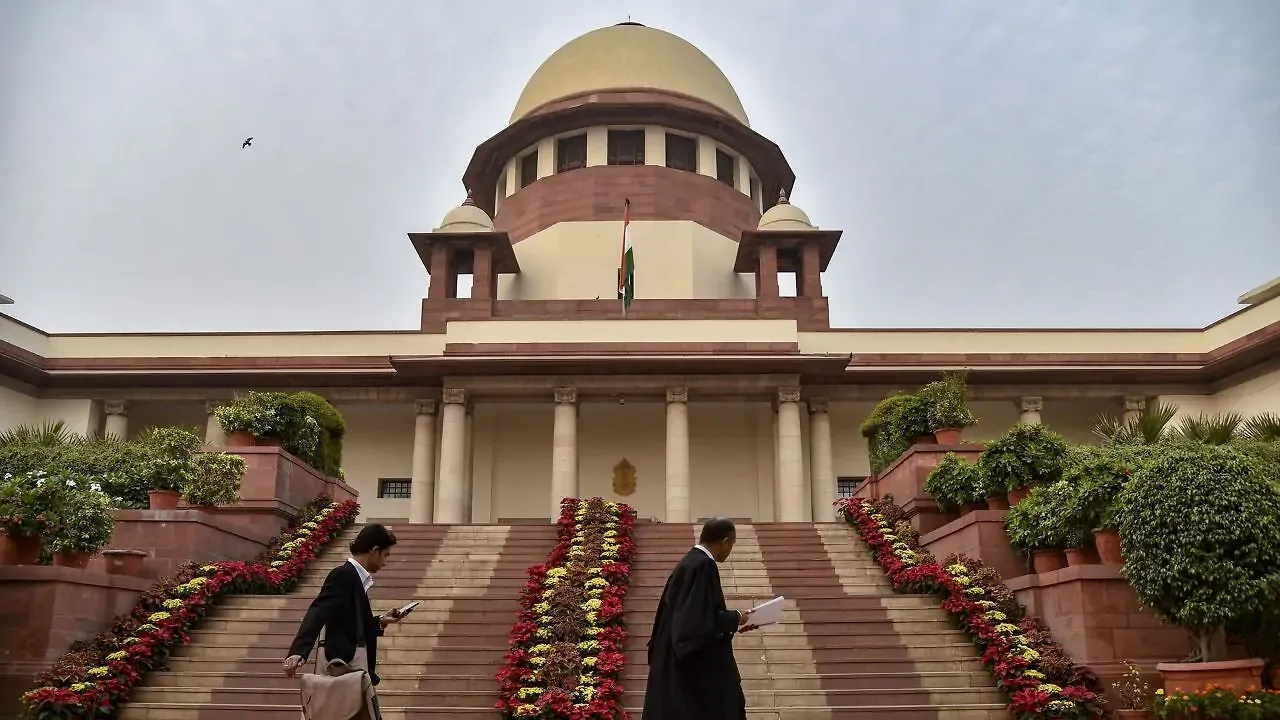
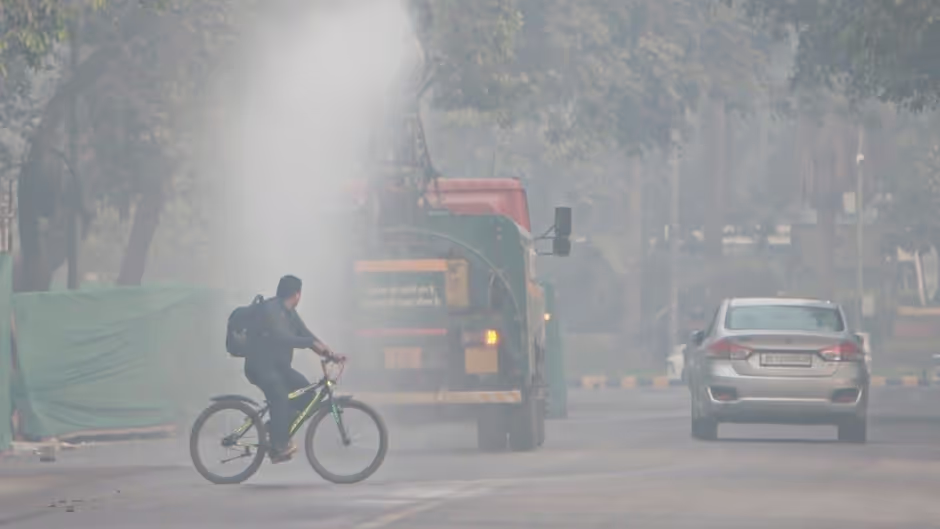
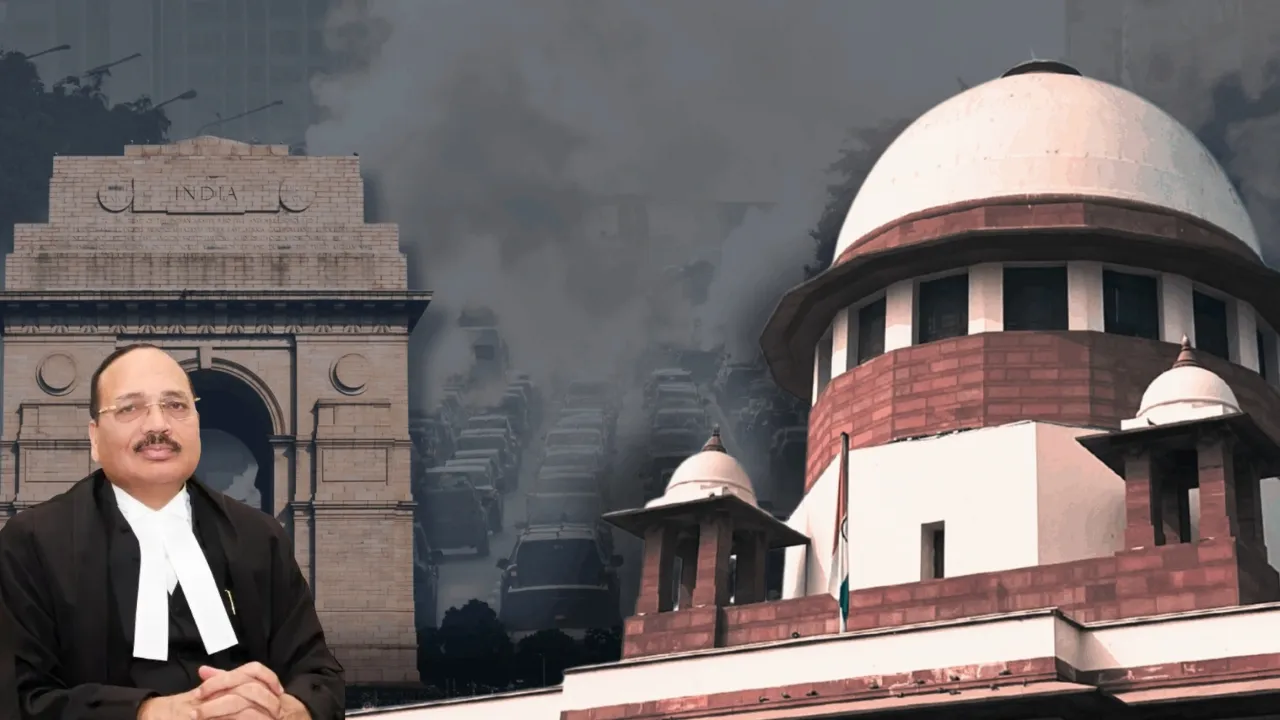
Delhi Pollution Supreme Court : The Supreme Court has once again expressed concern over toxic air in Delhi-NCR, questioning the practice of holding farmers solely responsible for pollution. During the hearing, CJI Surya Kant said vehicle emissions, traffic congestion and inadequate public transport were also major causes of pollution. He offered practical suggestions to the Centre and concerned agencies for better stubble management. The court also made it clear that local issues related to transportation, energy and waste management must be addressed seriously to tackle the problem.
Why Are Farmers Being Blamed Alone?
During the hearing, the CJI questioned whether stubble burning alone was responsible for pollution in Delhi-NCR or whether emissions from vehicles owned by wealthy people were also a major factor. He said blaming farmers would not solve the problem. Local sources of pollution must also be identified. In a pointed remark, the CJI said he hoped everyone was enjoying Delhi’s weather, but concrete efforts were necessary to improve air quality.
Court Suggests Turning Stubble Into Income
CJI Surya Kant suggested turning stubble from an environmental problem into an economic opportunity for farmers. He said arrangements could be made to store stubble through government agencies and municipal corporations. People who see a business opportunity in this activity could also be encouraged to provide warehouse facilities. He suggested that the purchase price for stubble should be announced in advance so that farmers could be assured of financial benefits.
Village Councils Should Receive Farming Equipment
The court said machines used for stubble management should be provided to gram panchayats because it is not financially feasible for every farmer to purchase and operate such equipment. The CJI also observed that merely making statements would not end stubble burning. Awareness must be increased among farmers, and they should be educated about the economic value of stubble. This may take time, but consistent efforts are essential.
Traffic Congestion And Private Cars Contribute
The CJI expressed concern over bumper-to-bumper traffic and frequent congestion on roads connecting Delhi with the NCR. He said the lack of adequate public transport in the capital forces large numbers of people to rely on private vehicles. This increases vehicular emissions. The court indicated that controlling pollution would also require attention to private vehicle usage and the availability of public transport.
Centre Lists Measures To Control Pollution
Representing the central government, ASG Aishwarya Bhati said stubble-burning incidents had declined this year, with a particularly significant reduction recorded in Haryana. The state government has also launched a scheme to provide financial incentives to farmers. She said the CJI’s suggestions would be placed before the Agriculture Ministry. The government also submitted details of the measures being taken for stubble management. In addition, it outlined plans to phase out diesel rickshaws and make certain regulations mandatory for buses entering Delhi from other cities. Amicus curiae Aparajita Singh informed the court that an earlier Supreme Court order aimed at preventing vehicles from remaining stationary for long periods at toll plazas was not being fully implemented. She said vehicles from the NCR are sometimes kept running while being stopped at Delhi’s borders, which further increases pollution.
Supreme Court Questions Blaming Farmers For Delhi Pollution, Asks Why Rich People’s Cars Are Spared
TheFearless
6 Nov 2026 · 3:56 PM IST
Related Stories