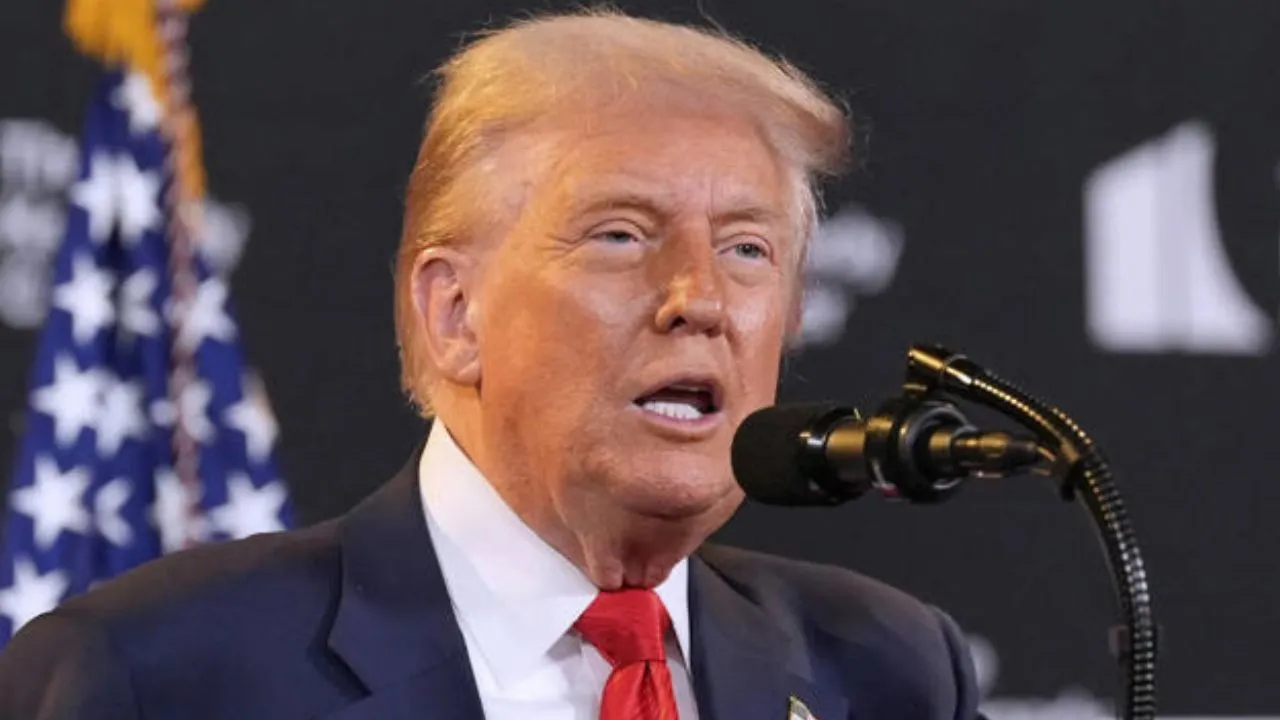
US President Donald Trump may continue to occupy the White House, but a major setback in the midterm elections could significantly weaken his political influence. The Democratic Party has secured control of both the House of Representatives and the Senate, changing the balance of power in Washington. Although Trump will remain president and complete his term, governing the country and implementing his political agenda could become considerably more difficult. The election outcome is also being viewed as a reflection of public dissatisfaction with the administration's policies and performance.
Democrats Take Control of Congress, Creating Fresh Challenges for Trump
The midterm election results have brought a significant shift in American politics. Democrats have taken control of both chambers of Congress, ending the Republican Party's dominance over the legislative process. During the initial years of Trump's second presidential term, Republicans enjoyed a majority in both the House and Senate, allowing the administration to advance several policy priorities with relatively little resistance. However, the political landscape has now changed. Once the newly elected Congress begins its work, Democrats will gain greater influence over legislation, parliamentary committees and key political decisions.
Passing Laws and Approving Budgets Could Become Difficult
One of the biggest consequences of the Democratic victory could be its impact on Trump's legislative agenda. The president may face difficulties getting new laws passed, securing budget approvals and implementing major policy proposals. Issues such as taxation, healthcare, government spending and immigration could become major points of disagreement between the two parties. Democrats are expected to challenge several Republican policies, forcing the administration to negotiate with the opposition. Although Trump retains the constitutional power to veto legislation, repeated disagreements could create political deadlock and slow down government decision-making.
Investigations and Impeachment Discussions May Intensify
The Democratic majority could also increase scrutiny of the Trump administration. Congressional committees may investigate government decisions, summon officials for questioning and demand documents related to controversial policies. This could put additional political pressure on the president and his senior officials. Discussions about possible impeachment proceedings may also gain momentum. However, impeachment by the House of Representatives alone cannot remove a president from office. A two-thirds majority in the Senate is required to convict and remove the president. Therefore, while Democrats may increase pressure through investigations and oversight, removing Trump from office would remain constitutionally challenging.
Economic Concerns and Iran War Become Major Political Issues
Economic concerns, rising living costs and the ongoing conflict involving Iran have also emerged as important issues in the political debate. Higher fuel prices and concerns about the financial burden of the conflict have reportedly influenced public sentiment. Democrats highlighted these issues during their election campaign, putting the administration's policies under greater scrutiny. The election results could force Trump to adopt a more cautious political approach during the remaining years of his presidency. While he will retain the powers of the presidency, losing congressional support could restrict his ability to implement major decisions. The coming two years are therefore likely to test Trump's political leadership and his ability to work with an opposition-controlled Congress.
Trump Faces a Major Political Setback: Midterm Election Loss Could Curtail His Power Despite Remaining in Office
TheFearless
5 Nov 2026 · 7:35 AM IST
Related Stories