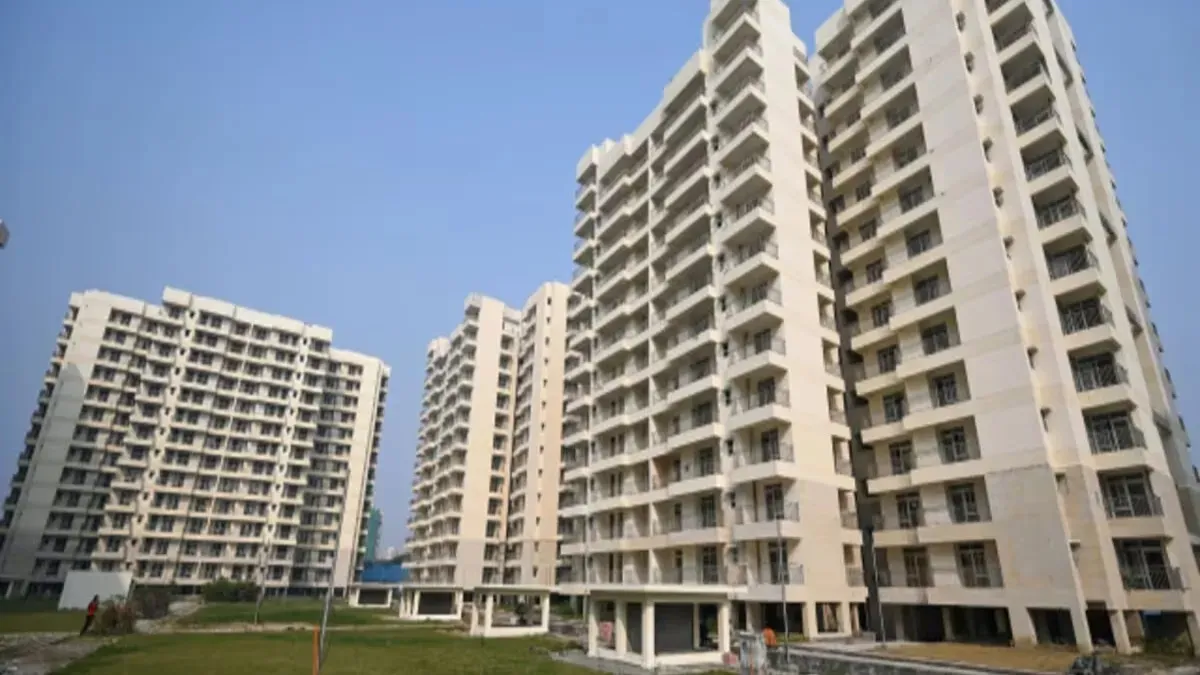
Buying a home is a major financial decision, and an affordable flat can seem like a great opportunity. However, a low advertised price does not always mean a better deal. Some builders may quote a basic price that excludes parking charges, clubhouse fees, stamp duty and registration costs. These additional expenses can significantly increase the final amount you need to pay. Before making a booking, ask the builder for a complete cost breakdown, including all mandatory charges. Compare the total cost with your budget instead of getting attracted by a low starting price or a limited-time offer.
Check All Property Documents Carefully
Before buying a flat, verify the ownership details and all important legal documents. Check whether the seller has the legal right to sell the property and whether the project has the necessary approvals. You should also check the property's title documents, approved building plans and other relevant records. A project's registration with the Real Estate Regulatory Authority (RERA) does not replace the need for independent legal checks. For an under-construction property, review the project details and promised completion timeline. If anything is unclear, consider consulting a property lawyer before paying a booking amount or signing an agreement.
Understand Carpet Area Before Paying
The area mentioned in a property advertisement may not represent the actual usable space inside your flat. Builders often advertise the super built-up area, which includes a proportionate share of common areas. Carpet area, on the other hand, refers to the usable floor area within the apartment, subject to applicable legal definitions. Always ask for the carpet area and compare it with the quoted price. This helps you understand how much usable space you are getting for your money. A flat that appears cheaper may offer considerably less living space than another property with a higher advertised price.
Check Facilities Around the Property
A low-priced flat may be located far from essential services, making daily life difficult. Before buying, check the distance to schools, hospitals, markets, public transport and your workplace. Visit the location at different times of the day to understand traffic conditions, road access and the surrounding environment. You can also speak to residents in nearby buildings to learn about water supply, electricity, security and maintenance. These checks can help you judge whether the property is suitable for long-term living and whether the location meets your family's needs.
Calculate Your Home Loan EMI
If you plan to finance the flat through a home loan, calculate your monthly EMI before committing to the purchase. Consider your income, existing loans, household expenses and emergency savings. An unaffordable EMI can put pressure on your finances for years. Remember to include other homeownership costs, such as maintenance charges, insurance and property taxes. Compare interest rates, processing fees and repayment conditions offered by different lenders. Choose a loan amount that allows you to meet your regular expenses while continuing to save for unexpected financial needs.
Check Your CIBIL Score and Final Budget
Before applying for a home loan, check your CIBIL score and review your credit report for errors. A stronger credit profile may improve your chances of getting favourable loan terms, although approval and interest rates depend on the lender's criteria. Also calculate the upfront amount required for the down payment, registration, stamp duty and other charges. Keep some savings aside instead of using all your available money to buy the flat. Careful planning, document verification and a realistic budget can help you avoid expensive mistakes and make a more informed property purchase.