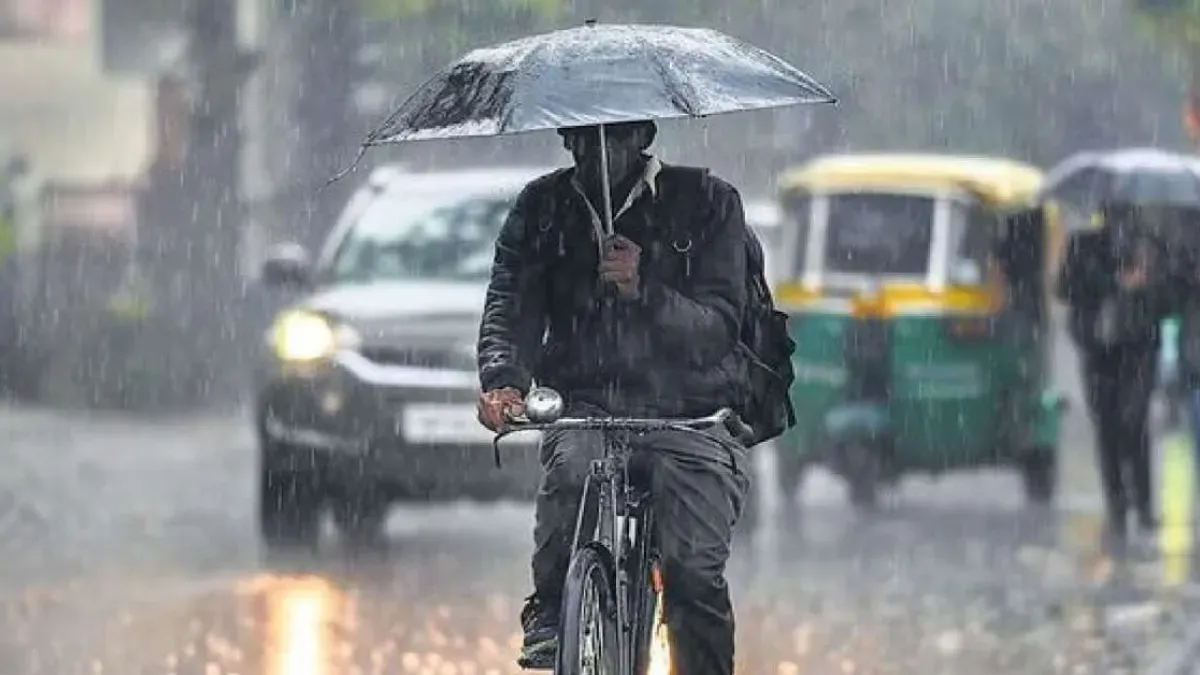
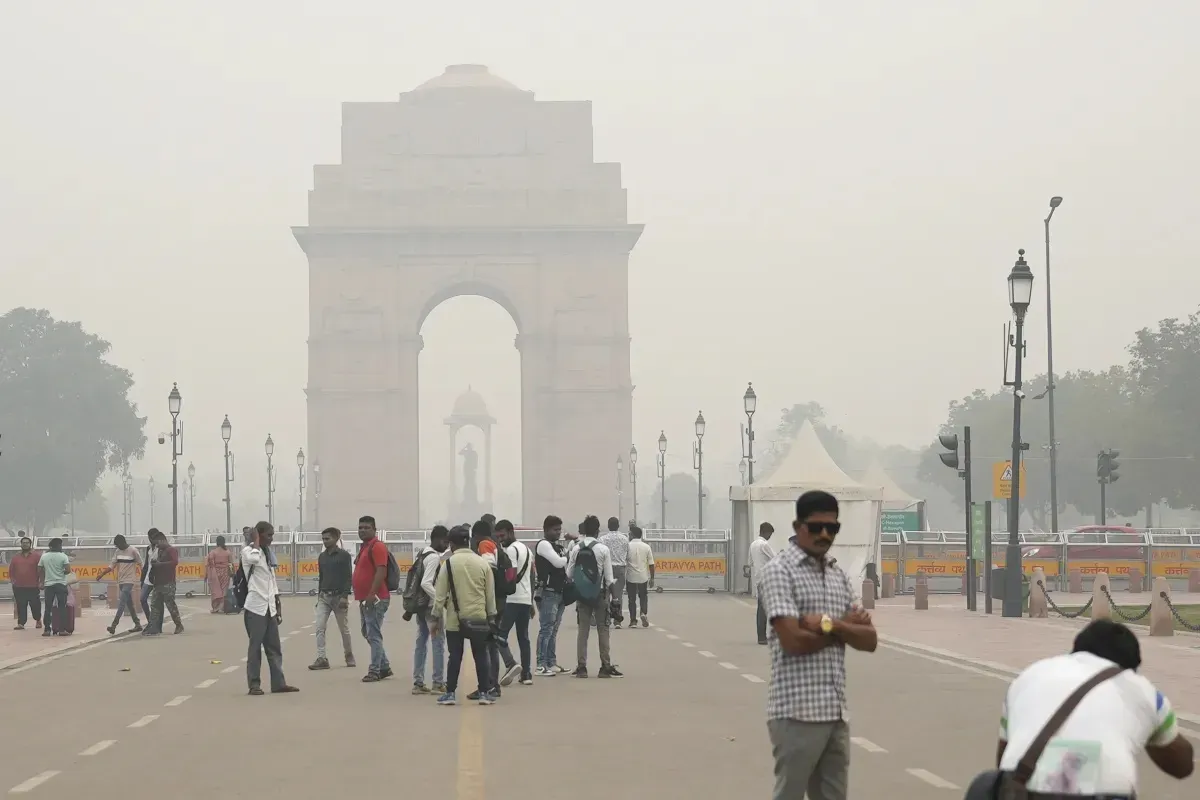
Delhi Weather Update: The weather in India's national capital, Delhi, is gradually changing as winter approaches. Residents have started experiencing a slight chill during the morning and evening hours, while daytime temperatures remain relatively warm due to sunshine. However, alongside the changing weather, rising air pollution has become a major concern for people living in Delhi-NCR. After providing temporary relief following recent rainfall, air quality has started deteriorating again. On Monday, November 2, Delhi's 24-hour average Air Quality Index (AQI) was recorded at 261, placing it in the poor category. Pollution levels are expected to remain a concern over the coming days.
Morning and Evening Chill, Sunny Conditions During the Day
According to the weather forecast, Delhi is likely to experience mainly clear skies on Monday. The maximum temperature is expected to remain around 28 degrees Celsius, while the minimum temperature may settle near 16 degrees Celsius. Residents may experience cooler conditions during the early morning and late evening hours. However, sunshine during the afternoon is likely to keep temperatures relatively comfortable. The India Meteorological Department (IMD) has not indicated any significant rainfall activity for the day. Similar weather conditions are expected to continue over the next few days.
Air Quality Deteriorates Again After Recent Rainfall
Recent rainfall had brought considerable relief to residents of Delhi-NCR by washing away dust particles and reducing pollution levels. For a brief period, the city's air quality had improved and reached the satisfactory category in several areas. However, dry weather conditions have once again contributed to rising pollution levels. On November 2, Delhi's average AQI stood at 261, indicating poor air quality. The development suggests that the relief provided by rainfall was temporary and pollution has started returning as weather conditions change.
Pollution Levels May Rise Further in the Coming Days
According to air quality forecasts, pollution could become more severe in Delhi during the coming days. Several factors contribute to the deteriorating situation, including vehicular emissions, construction dust, industrial pollution and smoke from stubble burning in neighbouring states. During winter, low wind speeds and changing atmospheric conditions often prevent pollutants from dispersing quickly. As a result, harmful particles remain concentrated close to the ground, increasing health risks for residents. Delhi-NCR may therefore face another challenging pollution period as winter gradually sets in.
Precautions to Protect Yourself from Rising Air Pollution
With pollution levels increasing, children, elderly people and those suffering from respiratory problems need to take extra precautions. Residents should avoid prolonged outdoor exercise and morning walks when air quality is poor. Wearing a good-quality N95 mask while stepping outside can help reduce exposure to harmful particles. Keeping windows and doors closed during periods of high pollution may also help limit indoor exposure. Authorities and residents must work together to control construction dust, reduce vehicle emissions and prevent other sources of pollution. As winter approaches, improving air quality alongside managing the changing weather will remain a major challenge for Delhi.
Delhi Weather Update: Winter Chill Begins, but Rising Pollution Raises Concerns; Check Today's Weather and AQI
TheFearless
2 Nov 2026 · 7:34 AM IST
Related Stories