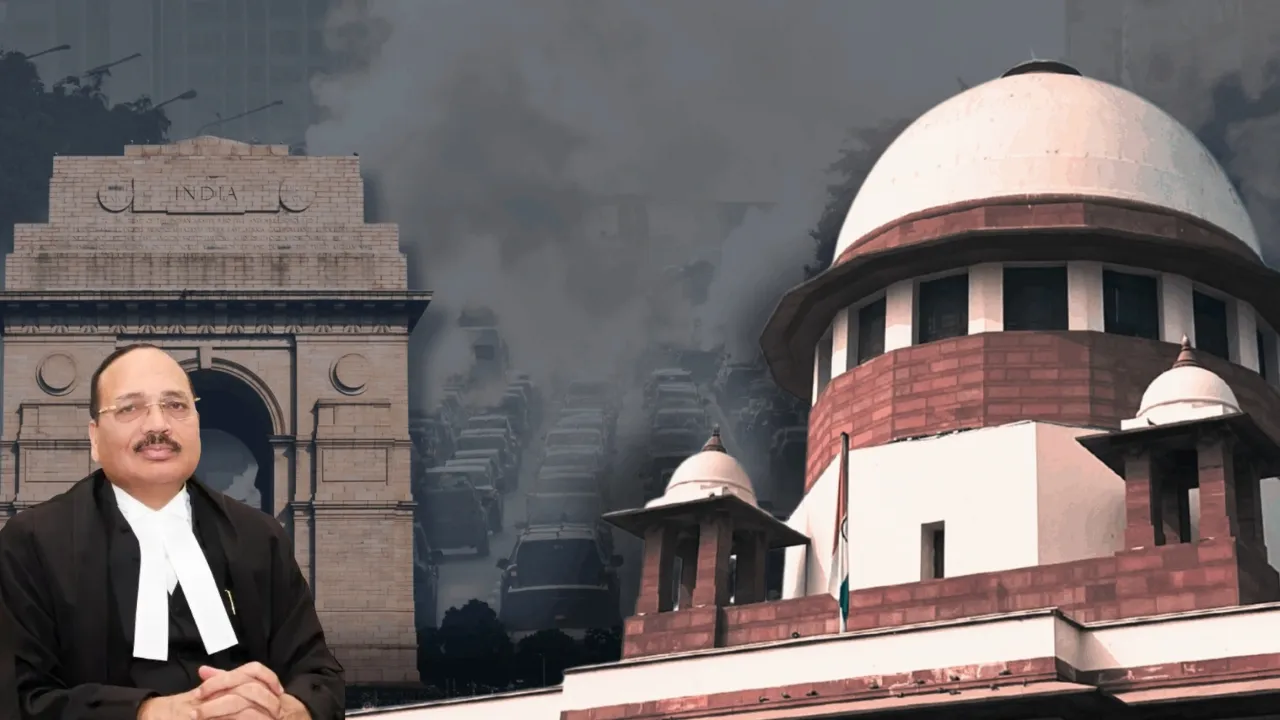
The air quality in Delhi-NCR has continued to deteriorate ahead of Diwali, prompting authorities to implement Stage 3 of the Graded Response Action Plan (GRAP) from Friday. The Commission for Air Quality Management (CAQM) announced the restrictions to control rising pollution and prevent the situation from reaching the severe category. According to officials, Delhi recorded an Air Quality Index (AQI) of 382, placing it in the 'Very Poor' category and bringing it closer to the 400 mark, which indicates severe pollution. The restrictions will apply across Delhi and several NCR cities, including Noida, Ghaziabad and Gurugram. The move introduces tighter controls on construction activities, certain categories of private vehicles and the transportation of dust-generating materials.
Construction and Demolition Activities Banned
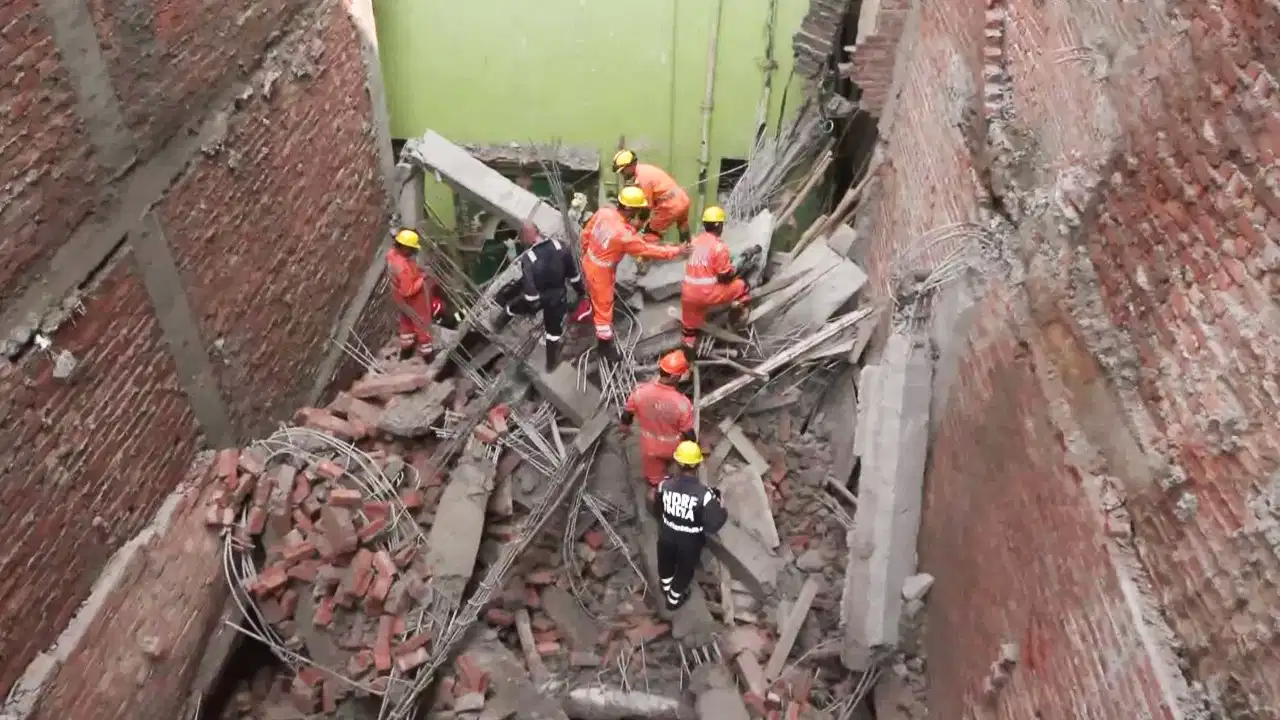
Under GRAP-3 restrictions, several construction and demolition activities have been prohibited across Delhi-NCR. These include excavation, earth filling, boring, drilling, piling, brickwork, masonry and road construction. Activities such as major repairs, painting, polishing, varnishing, welding and gas cutting will also remain suspended. Cutting and grinding of tiles and stones are among the other restricted operations. The restrictions are aimed at reducing dust emissions from construction sites, which contribute significantly to pollution levels in the region. Authorities have been instructed to ensure strict compliance with the new measures.
Restrictions on Older Petrol and Diesel Vehicles
GRAP-3 also imposes restrictions on the use of certain older private vehicles. Four-wheelers running on BS-III petrol and BS-IV diesel are prohibited from operating in Delhi-NCR under the applicable directions. The measure is intended to reduce vehicular emissions, which are considered a major contributor to the region's poor air quality. However, vehicles associated with essential services and other specifically exempted categories will be allowed to operate under the prescribed rules. These restrictions extend beyond Delhi to other major NCR cities.
Strict Rules for Transportation of Construction Materials
Authorities have also tightened regulations on the transportation and handling of dust-generating materials such as cement, sand, bricks, fly ash and stone pieces. Vehicles carrying construction materials or demolition waste are prohibited from using unpaved roads. Loading and unloading activities involving such materials will also face stricter controls. These measures are intended to prevent dust from spreading into the surrounding atmosphere and worsening pollution on roads and near construction sites.
Essential Infrastructure Projects Exempted
Despite the restrictions, certain essential infrastructure projects will be allowed to continue. Exemptions have been provided for railway and metro projects, airports, interstate bus terminals, national security and defence-related works. Construction and maintenance activities involving hospitals, highways, roads, flyovers, electricity transmission, pipelines, telecommunications, sewage treatment plants and water supply systems are also covered under the permitted categories. Authorities have clarified that restrictions under GRAP Stages 1 and 2 will continue alongside Stage 3 measures. All concerned departments and enforcement agencies have been directed to ensure proper implementation of the pollution-control guidelines.
GRAP-3 Implemented in Delhi-NCR: Construction Activities and Older Vehicles Restricted as Pollution Worsens
TheFearless
6 Nov 2026 · 6:24 PM IST
Related Stories