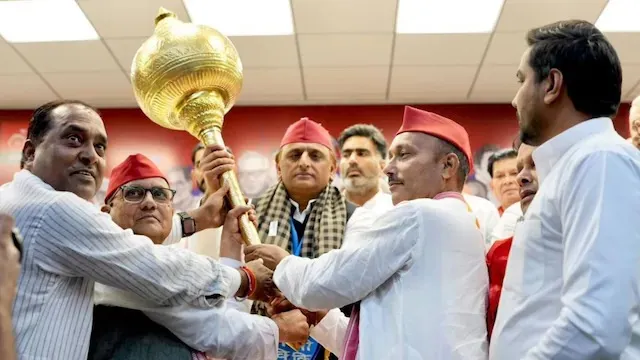
Samajwadi Party chief Akhilesh Yadav faces a major political challenge ahead of the 2027 Uttar Pradesh Assembly elections. His party has traditionally relied on Muslim, Yadav and other backward-class voters, but the BJP’s rise and its strong focus on Hindutva have changed the state’s political landscape. Akhilesh now needs to retain his traditional supporters while attracting more Hindu voters, including non-Yadav OBC communities. This balancing act has become central to the Samajwadi Party’s strategy as it prepares for a direct contest with the BJP-led alliance under Chief Minister Yogi Adityanath.
How the BJP Changed the Political Equation
Before the BJP’s rise to power in 2017, the Samajwadi Party benefited from support among Muslims, who account for around 19% of Uttar Pradesh’s population, Yadavs, who make up roughly 9%, and sections of other backward classes. The BJP’s emphasis on Hindutva has made it harder for the SP to expand beyond its traditional support base. The BJP has also repeatedly accused the Samajwadi Party of practising Muslim appeasement. In response, Akhilesh has promoted the PDA formula, bringing together backward classes, Dalits and minorities. The alliance with Congress helped the opposition win 43 Lok Sabha seats in Uttar Pradesh in the 2024 general election.
Akhilesh’s Outreach to Hindu Voters
Ahead of the 2027 election, Akhilesh has increasingly highlighted his participation in Hindu religious activities. His public appearances have included religious events, images featuring traditional Hindu symbols and outreach to Brahmin voters. He also announced Pawan Pandey as the SP candidate for the Ayodhya Assembly seat and appeared at a Bhagwat Katha organised by him. Akhilesh has raised the issue of alleged theft of offerings at the Ram Temple and met Shankaracharya Avimukteshwaranand Saraswati. These moves appear aimed at challenging the perception that the Samajwadi Party primarily represents Muslim interests.
Owaisi Adds Pressure on the Samajwadi Party
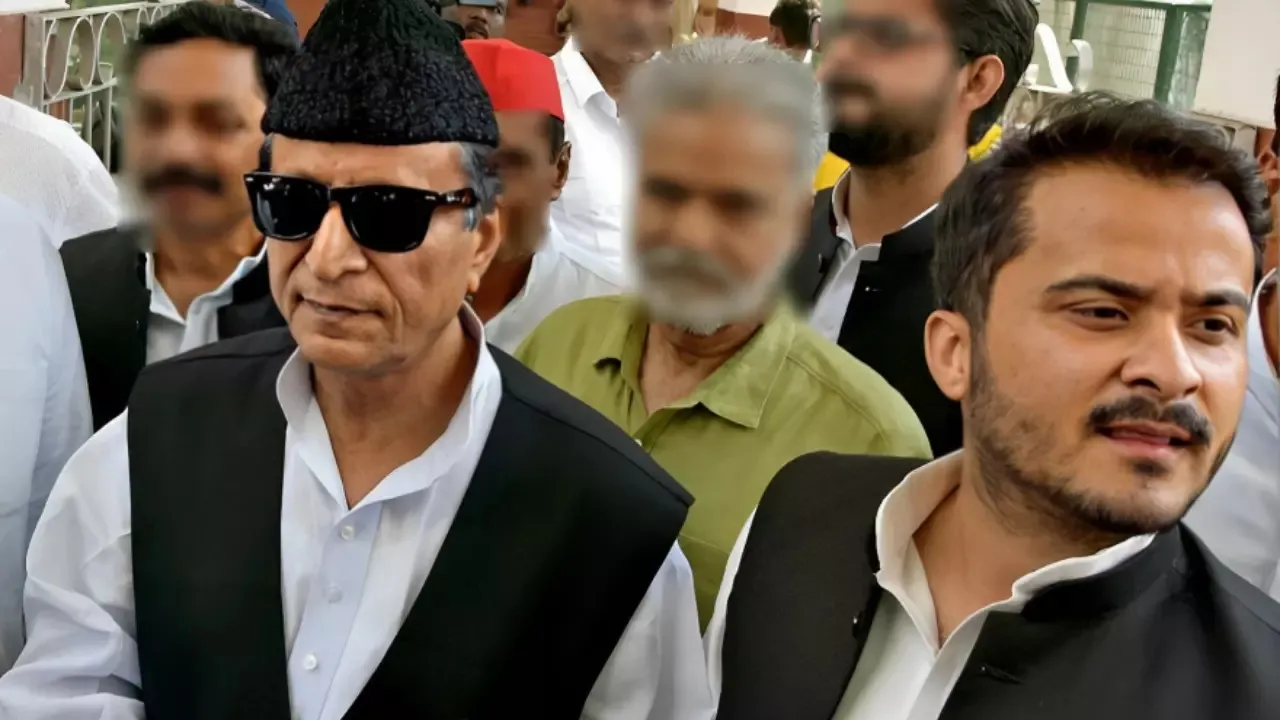
Akhilesh’s efforts to broaden his appeal have coincided with renewed political challenges from AIMIM chief Asaduddin Owaisi. Owaisi has accused the SP chief of seeking Muslim votes for political gain while failing to stand firmly by leaders such as Azam Khan. He has also raised questions about the party’s response to the deaths of Atiq Ahmed and Mukhtar Ansari. These attacks could create pressure on Akhilesh to reassure Muslim voters that the party continues to represent their concerns. Akhilesh recently met Azam Khan in jail, a move that has drawn attention amid the growing political debate.
PDA Strategy Faces a Fresh Test
The Samajwadi Party’s PDA formula remains central to its attempt to build a broader coalition of voters. Its performance in the 2024 Lok Sabha election demonstrated that the party could attract support beyond its traditional base when working with Congress. However, maintaining that coalition in an Assembly election may be more difficult. Akhilesh must address the expectations of backward classes and Dalits while also retaining Muslim support. At the same time, the BJP is likely to continue targeting the SP over Hindutva, law and order, and allegations of minority appeasement.
Will Akhilesh Manage to Keep Both Sides Together?
The central question ahead of the 2027 election is whether Akhilesh can expand the Samajwadi Party’s Hindu support without weakening its traditional Muslim backing. His religious outreach, PDA messaging and engagement with Azam Khan reflect attempts to manage these competing political demands. Owaisi’s criticism could make that task more difficult, while the BJP will seek to turn the issue into an electoral advantage. Ultimately, the impact of these strategies will depend on voter priorities, candidate selection, alliances and local political conditions when Uttar Pradesh goes to the polls.