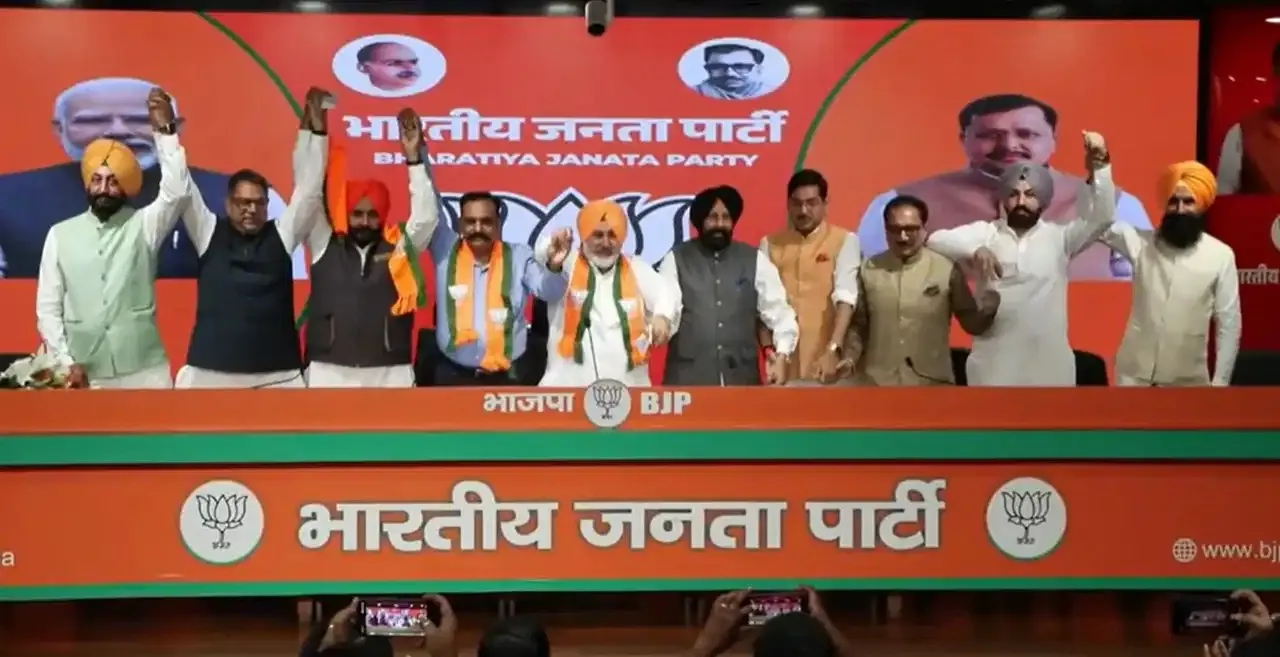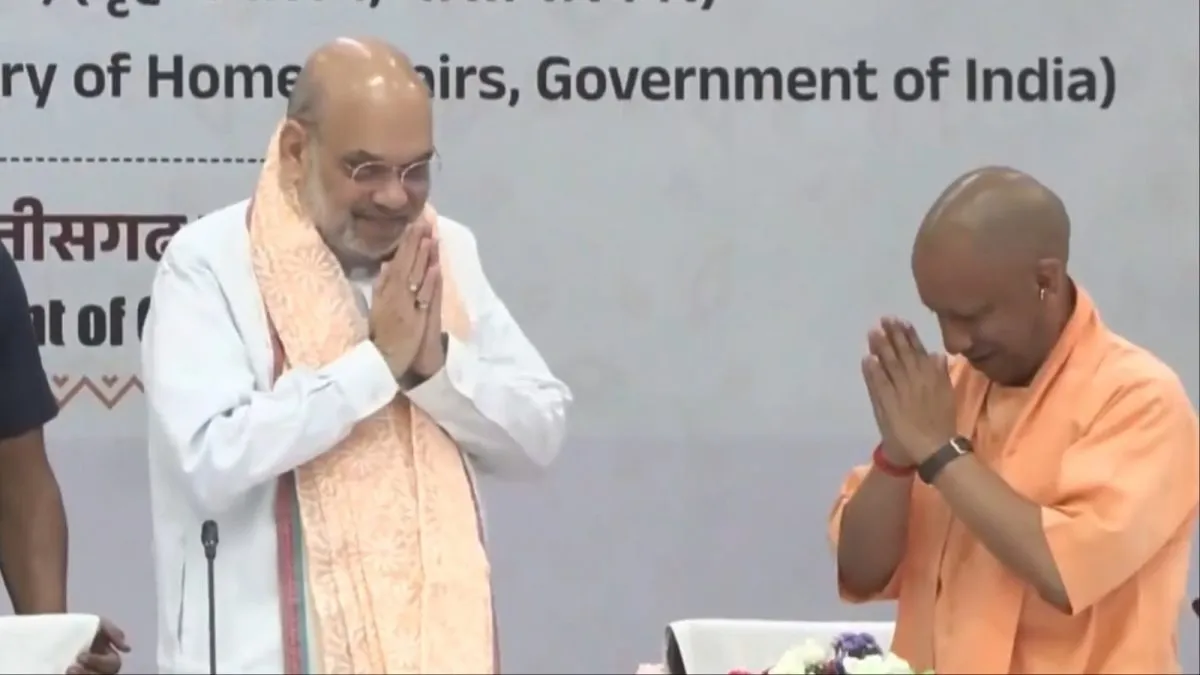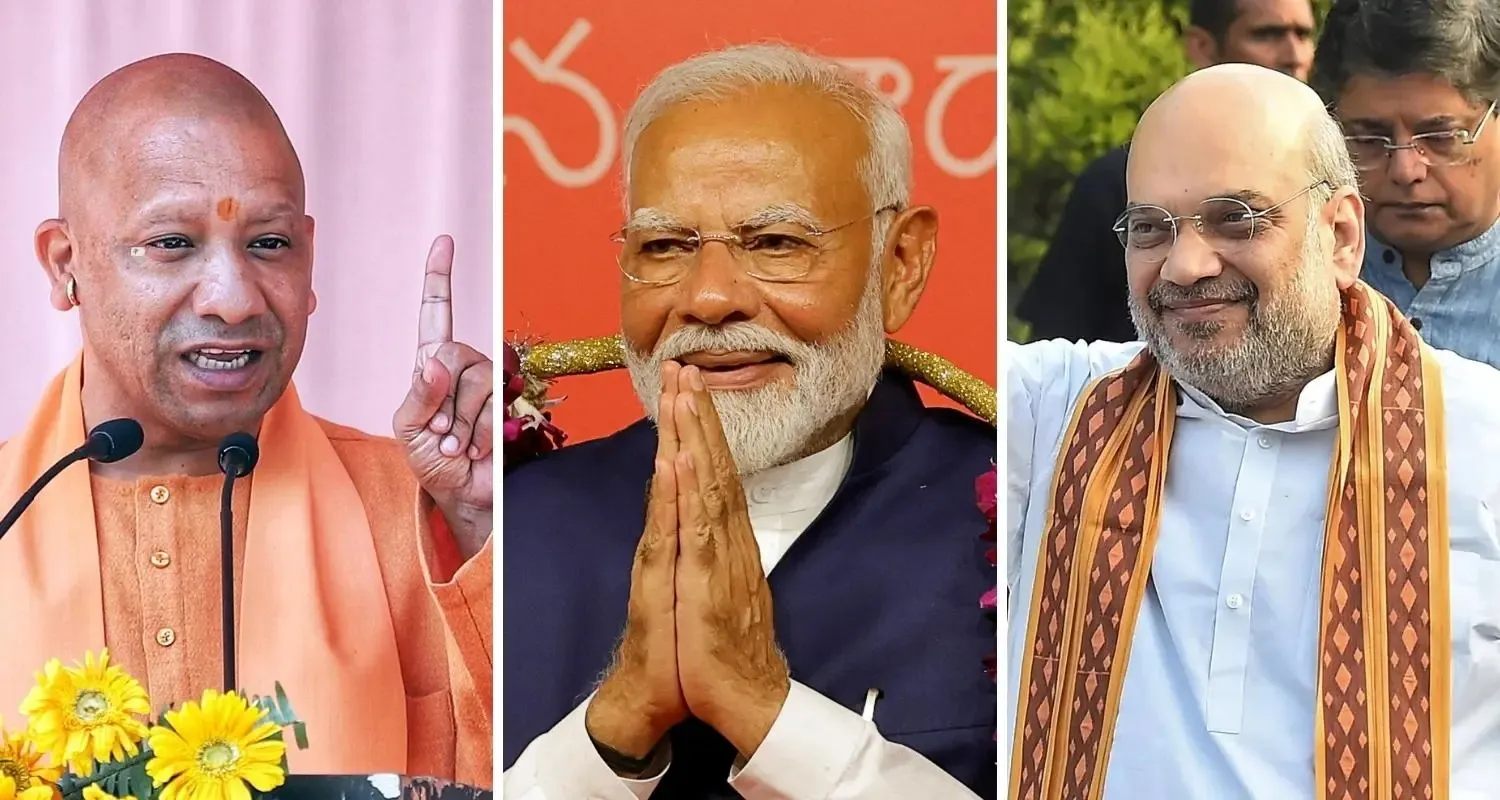
The countdown to the 2027 Uttar Pradesh Assembly elections has begun, and the BJP is preparing to defend its hold on power after nearly a decade in the state government. Prime Minister Narendra Modi, Home Minister Amit Shah and other senior party leaders are expected to step up their visits after the festive season. Meanwhile, the Samajwadi Party and Congress are discussing seat-sharing arrangements. The BJP faces growing pressure from anti-incumbency, dissatisfaction with some sitting legislators and complaints about the functioning of the administration. How effectively it addresses these concerns could play a major role in determining its electoral prospects.
Dissatisfaction Among MLAs and Workers
Internal assessments by the BJP and the RSS have reportedly highlighted public dissatisfaction with some legislators. During meetings with senior leaders, party workers have also raised concerns about difficulties getting their complaints heard by the police and local administration. BJP leaders BL Santosh and Vinod Tawde have reportedly held individual meetings with party members to understand their grievances. These complaints present a challenge for the ruling party, particularly if dissatisfaction among local workers affects its campaign organisation and voter outreach before the election.
Possible Ticket Changes to Counter Anger
The BJP is reportedly considering replacing around 40% of its sitting MLAs to address concerns about anti-incumbency. Such changes could give the party an opportunity to introduce fresh candidates and respond to voter dissatisfaction. Senior leaders arriving from Delhi have been meeting party workers and giving them an opportunity to raise their concerns. However, replacing sitting legislators can also create fresh problems if leaders denied tickets rebel or their supporters become unhappy. The party will need to balance public sentiment, local political equations and organisational unity while selecting candidates.
Yogi Adityanath Remains a Major Strength
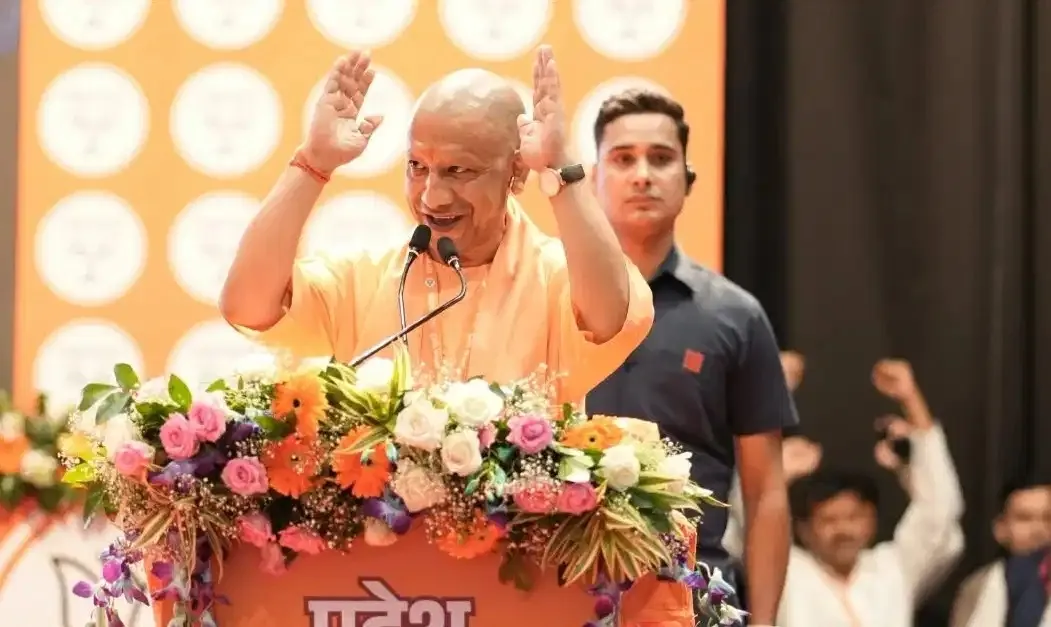
Despite these challenges, Chief Minister Yogi Adityanath remains one of the BJP’s biggest political assets in Uttar Pradesh. His popularity and the perception that his government takes a tough approach towards crime and criminals could help the party counter anti-incumbency. Law and order has long been an important electoral issue in the state. Former chief ministers Kalyan Singh and Mayawati were also associated with firm administration. The BJP will seek to make Yogi’s leadership and its law-and-order record central to its campaign, although the electoral impact will depend on voters’ experiences and priorities.
Upper-Caste Concerns and Social Equations
The BJP also faces the challenge of keeping its traditional supporters united. Concerns surrounding the University Grants Commission (UGC) issue could affect sections of its upper-caste voter base. According to the report, some party leaders believe the issue’s connection with the central government may limit its impact on the Uttar Pradesh election. The party has also sought to send political signals through the nomination of two Brahmin leaders and one Rajput leader to the Rajya Sabha. Changes to the income limit under the Economically Weaker Sections (EWS) quota have also been discussed as a possible measure to address voter concerns.
Allies Could Influence the Final Equation
The BJP’s electoral prospects will also depend on how it manages its allies and regional communities. The Nishad Party and Om Prakash Rajbhar’s Suheldev Bharatiya Samaj Party have reportedly been pressing for reservation-related demands for their respective communities. Jayant Chaudhary’s Rashtriya Lok Dal will also be important to the party’s calculations in western Uttar Pradesh. The BJP therefore faces two broad challenges anti-incumbency and managing social and alliance equations while relying on two major strengths: Yogi Adityanath’s leadership and its law-and-order image. Whether these strengths outweigh its difficulties will become clearer as the 2027 campaign gathers pace.