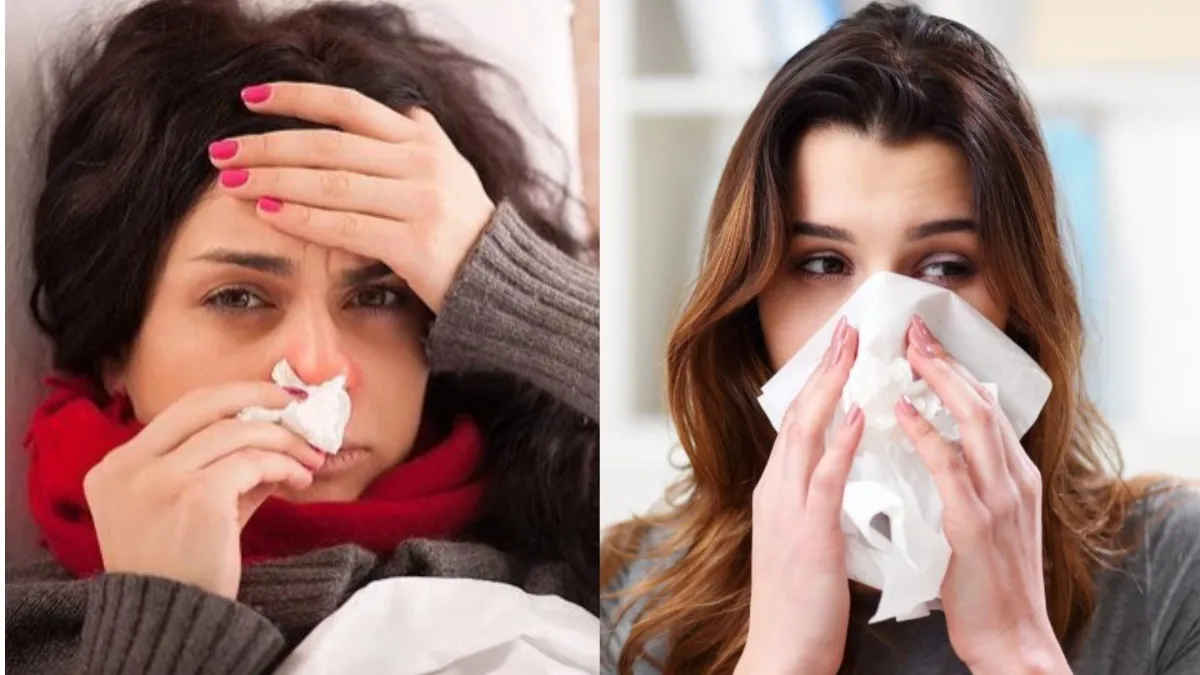
As temperatures begin to fall, problems such as colds, coughs and sore throats become common. However, some everyday habits can increase the risk of respiratory infections during winter. Children, older people and those with conditions such as asthma need to be especially careful. Cold weather itself does not directly cause viral infections. However, spending more time indoors, poor ventilation and changes in temperature can increase the chances of viruses spreading. Health experts say that making a few changes to daily habits can help reduce the risk of illness during the winter season.
Not Wearing Enough Warm Clothes
One common mistake is not dressing according to the weather. Temperatures can drop sharply during early mornings and at night, making it important to wear suitable warm clothes when going outside. Wearing multiple layers is a useful way to stay comfortable in cold conditions. Another mistake is drinking less water. People often feel less thirsty in winter, but the body still needs enough fluids. Not drinking sufficient water can dry out the protective lining of the nose and throat. Make sure to drink enough water and other fluids throughout the day.
Ignoring Hand Hygiene
Poor hand hygiene can increase the chances of catching infections. After returning from outside, especially after visiting crowded places, wash your hands properly with soap. Avoid touching your eyes, nose and mouth with unwashed hands. Another common mistake is keeping windows and doors closed all the time. Although people prefer to keep rooms warm during winter, fresh air is still important. Allowing some fresh air into rooms, wherever possible, can improve ventilation and reduce the chances of viruses spreading indoors.
Ignoring Early Symptoms
Sneezing, sore throat, cough and fever should not be ignored, especially when symptoms continue for several days or become worse. People should seek medical advice if their condition does not improve. Ignoring symptoms can delay proper care. Children, older adults and people with existing health problems should be particularly careful. Paying attention to early warning signs and taking timely medical advice can help prevent minor health problems from becoming more serious.
Poor Sleep and Unhealthy Diet
Lack of sleep and poor nutrition can affect the body's normal immune function. During winter, people should maintain a balanced diet that includes fruits and vegetables. Getting enough sleep is equally important for overall health. A healthy daily routine can help the body maintain its normal defence system. Skipping meals, eating an unbalanced diet and regularly compromising on sleep are habits that should be avoided during the colder months.
Taking Medicines Without Advice
Another risky habit is taking medicines without consulting a medical expert. Many people use antibiotics whenever they develop a cold or cough. However, common colds are usually caused by viruses, and antibiotics do not work against viral infections. Taking antibiotics unnecessarily can also contribute to antibiotic resistance. People should avoid self-medication and seek proper medical advice before using antibiotics or other medicines.
Who Needs Extra Care in Winter?
People with asthma, COPD, heart disease or weak immune systems need to be more careful during seasonal changes. Getting vaccinations recommended by medical experts can also help reduce the risk of certain infections. If someone experiences breathing difficulties, chest pain, persistent high fever or worsening symptoms, they should seek medical help immediately. Wearing suitable clothes, drinking enough water, maintaining hand hygiene, eating well and getting sufficient sleep are simple habits that can help people stay healthier during winter.