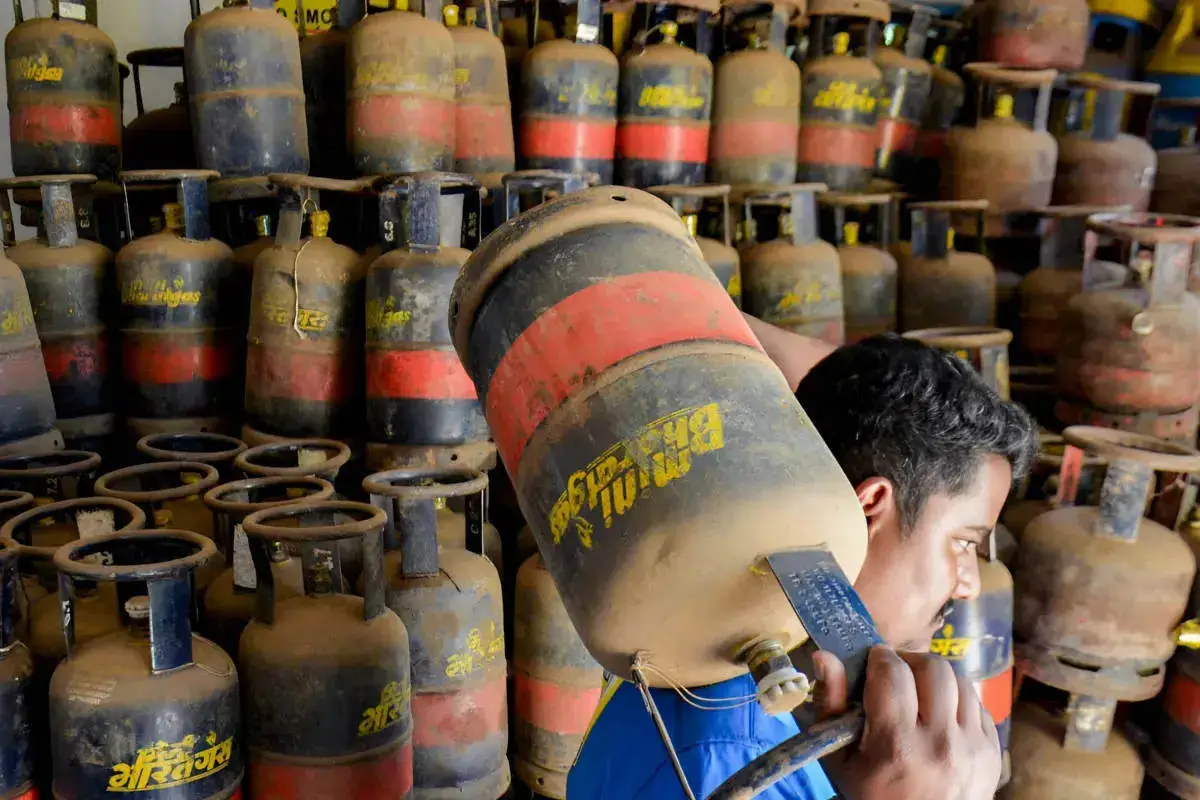
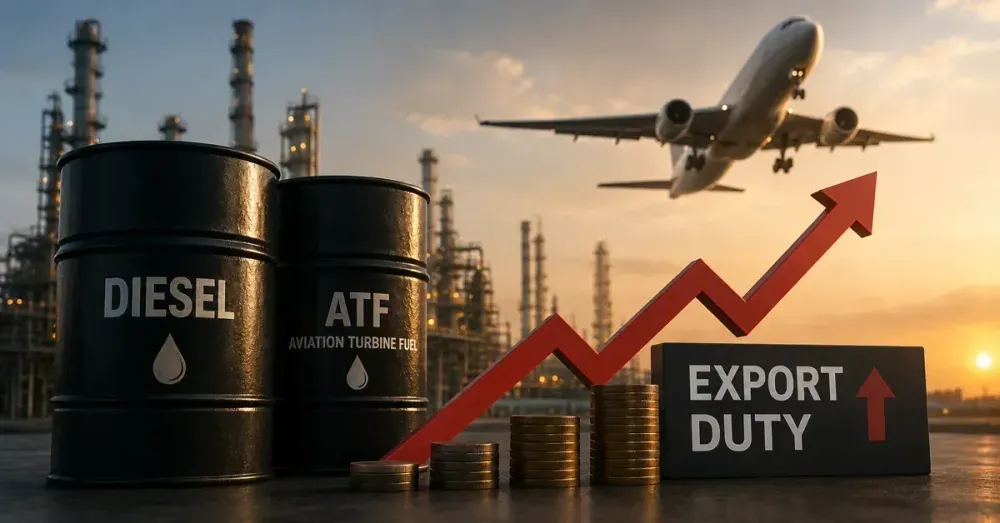
India Inflation and Oil Prices : Expensive crude oil and a weak monsoon are becoming major challenges for India’s economy. On one hand, rising oil prices are increasing the country’s import bill, while on the other, a rainfall deficit threatens crop production and farmers’ earnings. If both crises intensify simultaneously, prices could rise for everything from food items to everyday essentials. Under these circumstances, the Reserve Bank of India (RBI) will face the challenge of controlling inflation while maintaining the pace of economic growth.
Rising Oil Prices Increase India’s Import Bill
According to data from the Petroleum Planning and Analysis Cell (PPAC), India’s crude oil import bill rose to $90.6 billion between April and September 2026, compared with $61.9 billion during the same period last year. The volume of oil imports increased only marginally during this period. The average price of Indian crude oil was around $82 per barrel in July 2026, but it has reportedly reached approximately $120 per barrel so far in October. India purchases most of its crude oil from overseas markets. Consequently, rising prices directly increase the country’s expenditure.
Higher Fuel Prices Could Make Goods More Expensive
The impact of rising crude oil prices is not limited to petrol and diesel. Transportation costs, agricultural machinery expenses, and industrial production costs also increase. Companies may pass these additional expenses on to consumers, making everyday goods and services more expensive. If the rupee also weakens, purchasing oil from overseas becomes even costlier. According to an assessment by rating agency ICRA, if oil prices remain elevated, India’s economic growth rate in the 2026–27 financial year could decline from the projected 7.1% to 6.8%.
Low Rainfall Raises Concerns for Farmers
Along with expensive oil, a weak monsoon has increased concerns about the economy. During the southwest monsoon, rainfall was recorded at approximately 13% below normal levels. According to available assessments, around 46.7% of the monitored areas experienced drought conditions. A report by Down To Earth states that Karnataka has declared 217 taluks, Maharashtra 265 taluks, and Andhra Pradesh 388 mandals drought-affected. Assessments of crop damage are also underway in Telangana and Rajasthan. According to the India Drought Monitor developed by IIT Gandhinagar, drought or dry conditions were recorded across 70.6% of the country’s area.
Lower Crop Production Could Push Up Food Prices
Below-normal rainfall is expected to affect crops such as soybeans and groundnuts. Estimates suggest that their production could decline by more than 20%. If crop output falls, farmers’ incomes could decrease. At the same time, prices of grains, vegetables, and edible oils could come under upward pressure. Meanwhile, expensive fuel increases the cost of transporting agricultural produce from farms to wholesale markets and retail markets. This combination of lower production and higher transportation costs raises the risk of food inflation. As a result, household budgets could come under pressure, while consumer spending in rural markets may also weaken.
RBI Faces Difficult Choices on Interest Rates
Managing expensive oil and rising food inflation simultaneously could prove challenging for the RBI. Raising interest rates may help control inflation, but it also makes borrowing more expensive and can slow consumer spending and business investment. According to the figures cited in the report, the RBI raised the repo rate by 25 basis points to 5.50% on October 7. The central bank also mentioned below-normal rainfall, El Niño, and elevated energy prices among the risks to inflation. Its future decisions will therefore depend on balancing inflation control with the need to sustain economic growth.
Double Blow to India’s Economic Growth! Expensive Crude Oil and Drought Could Fuel Inflation, Forcing RBI to Take Tough Decisions
TheFearless
29 Oct 2026 · 6:06 PM IST

Related Stories