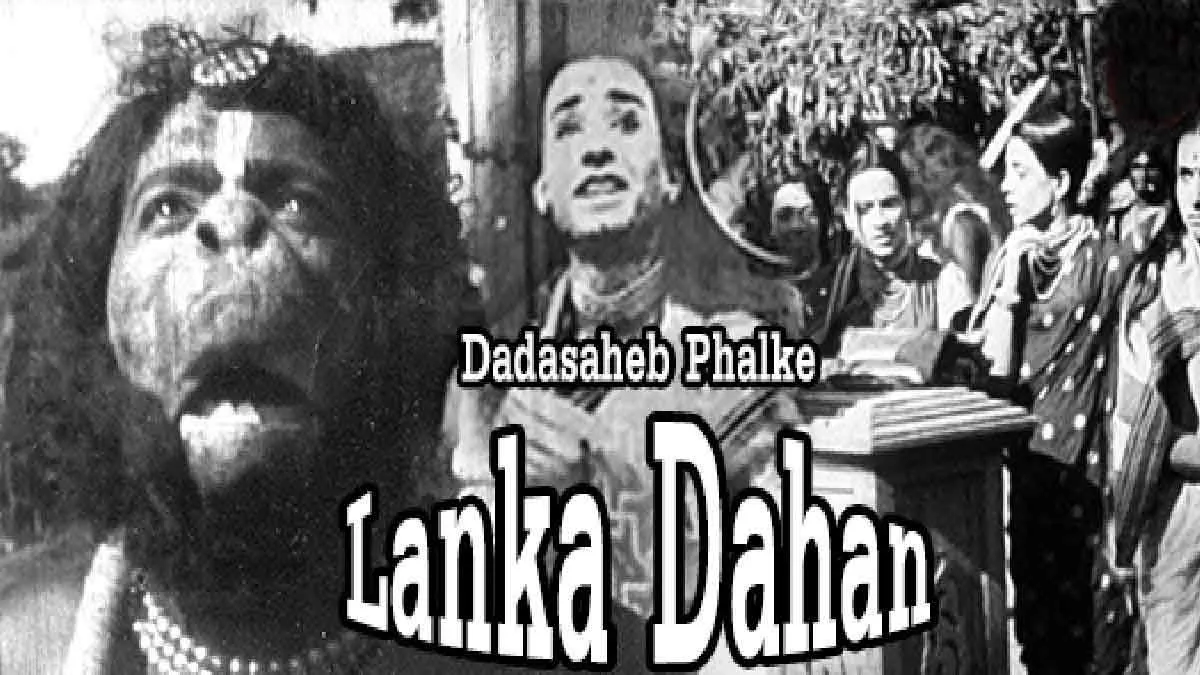
Long before modern cinema, special effects and big-budget productions, filmmaker Dadasaheb Phalke brought the story of the Ramayana to the big screen with Lanka Dahan in 1917. Released 109 years ago, the silent film became a landmark in early Indian cinema. At a time when films had no spoken dialogue or background music, it relied on acting and visual storytelling to connect with audiences. The film’s reported earnings of around ₹35,000 made it a remarkable success for its era.
How Phalke Told the Story Without Dialogue
When Lanka Dahan was released, silent films were the norm. Filmmakers had to communicate emotions, events and the meaning of a story without spoken words. Dadasaheb Phalke took on this challenge by presenting well-known episodes from the Ramayana. Scenes featuring Lord Ram, Goddess Sita and Hanuman helped audiences follow the story through expressions and action. Without modern digital effects, bringing the epic’s dramatic moments to the screen required creativity and careful planning.
One Actor Played Both Ram and Sita
One of the film’s most unusual features was its casting. Actor Anna Salunke played both Lord Ram and Goddess Sita. At the time, women rarely appeared in films, so male actors often performed female roles. Salunke’s double role became a notable example of the creative choices filmmakers made during the early years of Indian cinema. It also reflected the practical challenges of producing films when the industry was still developing.
The Lanka Burning Scene Became a Major Attraction
The Ramayana episode in which Hanuman sets Lanka on fire was among the film’s important visual moments. Unlike modern productions, the filmmakers could not rely on computer-generated imagery or advanced visual effects. They instead used the techniques available at the time to bring the scene to life. The effort to recreate such a dramatic episode helped make Lanka Dahan memorable for audiences who had rarely seen stories of this scale on screen.
Crowds Gathered and Earnings Made Headlines
Reports about the film describe large crowds gathering at Mumbai’s Majestic Cinema to watch it. According to accounts of its success, Lanka Dahan earned around ₹35,000 in its early run. Stories from the period also claim that the coins collected from ticket sales were so numerous that they had to be carried away in sacks, reportedly using bullock carts. These accounts have become part of the film’s legacy, illustrating the excitement it generated among early cinema audiences.
Why Lanka Dahan Still Matters Today
Another popular account says some viewers removed their shoes when Lord Ram appeared on screen, reflecting the religious devotion the film inspired. More than a century later, Lanka Dahan remains an important part of Indian cinema history. It showed how filmmakers could bring familiar religious stories to life despite limited resources and technology. As modern films such as Nitesh Tiwari’s Ramayana draw attention to the epic again, Phalke’s silent classic offers a reminder of how the journey began.