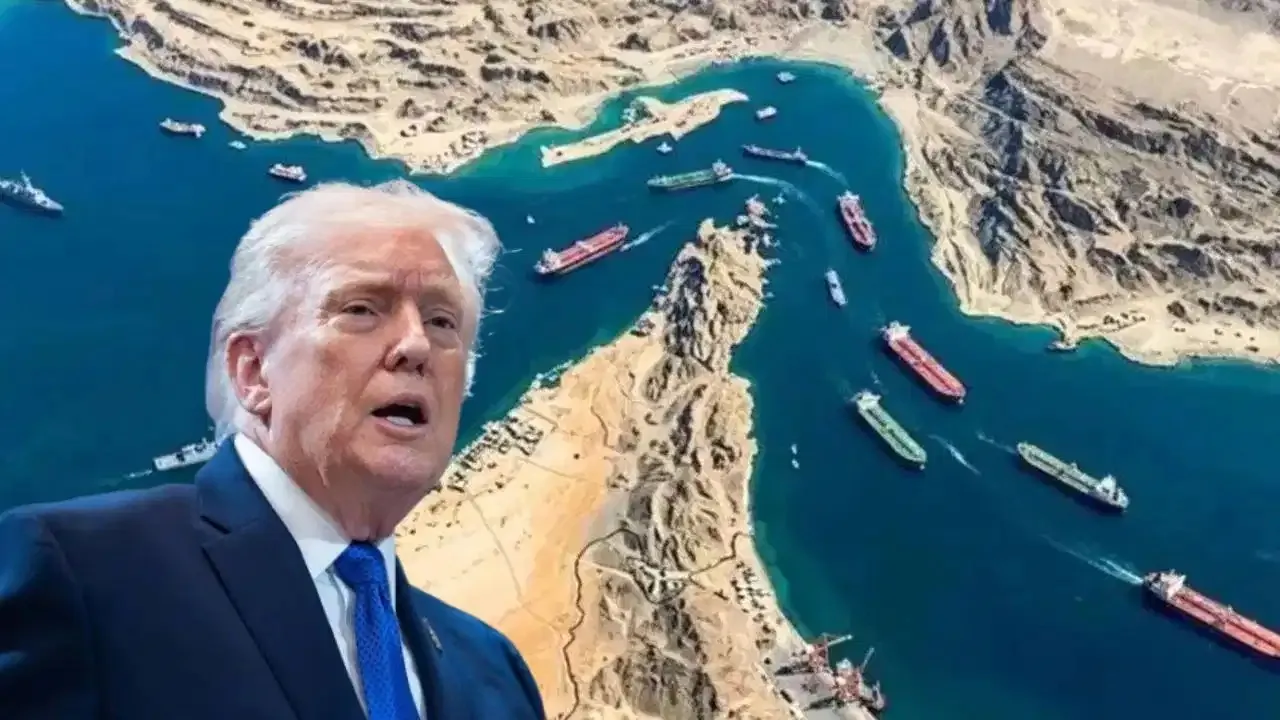
US President Donald Trump’s reported setback in the midterm elections could make it harder for his administration to continue military action against Iran. The political outcome may limit his ability to take major decisions related to the conflict. One of the biggest challenges is reopening the Strait of Hormuz, a crucial global shipping route. Iran has repeatedly warned that ships cannot pass through the waterway without following its conditions. The situation has raised concerns about whether the United States can restore normal shipping without reaching an agreement with Tehran.
Iran’s Plan to Charge Tolls
Iran is reportedly planning to collect fees from ships passing through the Strait of Hormuz, potentially changing how the strategic waterway operates. Iran’s Supreme Leader Mojtaba Khamenei is said to support the plan, although its implementation and international acceptance remain uncertain. Mohsen Rezaei, an adviser to Iran’s leadership, has warned that Tehran will not allow routes through the strait that it considers unauthorised. He also threatened to target any US warship entering what Iran describes as an illegal route. These statements indicate that Iran intends to maintain strong control over maritime movement in the region.
Growing Threat of Sea Mines
The Strait of Hormuz has become increasingly dangerous for oil tankers amid reports of repeated explosions. According to the report, three tankers struck mines on Tuesday while attempting to cross the waterway. Iran’s Islamic Revolutionary Guard Corps (IRGC) claimed that the vessels were using an incorrect route and were damaged by sea mines. The report also claims that 11 oil tankers have caught fire in the strait over nine days. However, it remains unclear whether every reported explosion was caused by mines or direct attacks. The growing danger has made shipping companies increasingly cautious.
Iran Tightens Maritime Surveillance
Iran has reportedly increased surveillance in the Strait of Hormuz and warned ships to follow its instructions. Tankers have been attempting to cross the waterway with their transponders switched off to avoid detection, but this does not protect them from underwater mines. Iranian speedboats have also reportedly intercepted two tankers and surrounded them over alleged violations of maritime rules. The report says Iran is using different methods, including naval mines, underwater drones and rocket-propelled weapons, to strengthen its position. These developments have raised serious concerns about the safety of international shipping.
US Struggles to Counter Iran’s Strategy
The United States had announced a separate shipping route and promised protection for vessels passing through the region. However, reports of explosions and interceptions suggest that securing the waterway remains a major challenge. Iran is also reportedly developing new ways to deploy mines, including a system that could use rockets to place them in the sea. Meanwhile, Tehran claims to have destroyed 55 American MQ-9 Reaper drones. The report also mentions four such drones being destroyed within seven days near Hormuz. These claims highlight the growing military and technological confrontation between the two countries.
India May Get Special Exemption
Iran and Oman are reportedly working on a plan to collect fees from ships passing through the Strait of Hormuz. Under the proposed arrangement, countries considered friendly to Iran, including India, China, Iraq and Qatar, may receive special exemptions. Their vessels could be allowed to pass without paying the proposed charges or facing the same restrictions as other countries. However, the plan has not been established as an internationally accepted arrangement. If implemented, it could have major consequences for global oil supplies, shipping costs and international trade, particularly for countries dependent on energy imports.