AI Bubble Crisis Warning : Amid rapidly growing investments in artificial intelligence (AI), questions are emerging about the sector’s profitability and long-term prospects. Concerns in the technology industry centre on the enormous amounts being spent on AI companies every year, while the revenue generated is reportedly much lower than the investment. Technology investor Nikhil Kamath has also expressed concerns about this gap. He argues that there is a significant difference between the money invested in AI and the income it generates. This has raised questions about whether the current boom can continue at the same pace.
AI Companies Need Massive Annual Investment
According to Nikhil Kamath, approximately $1 trillion is being invested in the AI sector annually, while the revenue generated is estimated at between $100 billion and $200 billion. Based on his estimates, the annual gap between investment and revenue could reach $700 billion to $800 billion. However, these figures reflect his assessment and do not represent the financial position of every company in the AI industry in the same way. Kamath believes that continuously raising such enormous amounts from investors every year will be difficult. Companies with sufficient cash reserves may therefore be better positioned to withstand a challenging period.
Elon Musk Warns About Smaller AI Cloud Providers
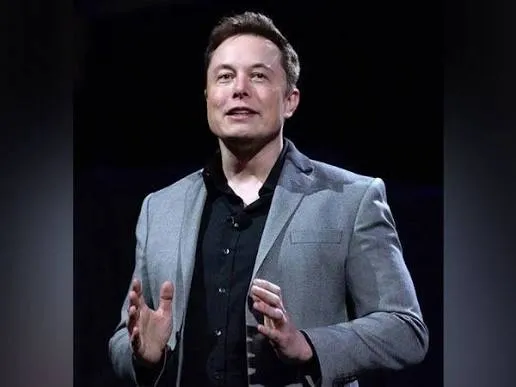
Elon Musk has also expressed concerns about the future of companies involved in AI infrastructure. During a discussion on the social media platform X, he raised the possibility that several smaller AI cloud providers could face serious financial difficulties in the coming years. These companies rent AI chips and computing capacity to other businesses. According to Musk, some providers may struggle to secure funding, putting additional pressure on their operations. He also warned that several neocloud companies could face the possibility of shutting down. However, these are his projections about the future rather than certain outcomes.
Data Centres and Electricity Pose Major Challenges
Building large data centres is extremely expensive for AI companies. It requires purchasing advanced graphics processing units (GPUs), operating them and ensuring a continuous supply of electricity. Venture capitalist Chamath Palihapitiya has also raised concerns about AI infrastructure. According to his assessment, companies with weak business models in this sector could face greater difficulties in 2027. Growing pressure on electricity grids, delays in data centre construction, local opposition and government regulations could affect projects. If companies cannot secure electricity and essential facilities on time, making full use of their expensive chips could also become difficult.
https://twitter.com/Speculator_io/status/2114465122076835980
Could the AI Boom Turn Into a Bubble?
Growing concerns about massive investment and future earnings have intensified debate over the possibility of an AI bubble. If companies fail to generate revenue in line with their investments and struggle to raise fresh funding, some businesses could shut down or be forced to reduce spending. However, this does not mean the entire AI industry will collapse. The use of AI technology is expanding across multiple sectors, but not every company’s business model is guaranteed to succeed. The coming years will reveal which businesses can sustain growth through genuine demand, consistent revenue and strong financial positions.